 Clearwater Siding
 Windows Built for What Downtown Clearwater Actually Deals With
Downtown Clearwater sits close enough to the water that every window on a home here is doing more work than a window in an inland neighborhood. Salt-laden air moves through the area constantly, UV exposure runs high nearly year-round, and when a storm system pushes through, wind-driven rain finds every weak seam in a window unit or its installation. Add in the structural wind loads Pinellas County building code requires for this part of the coast, and window installation stops being a cosmetic upgrade — it's one of the more consequential exterior projects a homeowner here will make.
A window that's fine in a mild climate can fail early in this one. Seals degrade faster under UV and salt exposure, aluminum frames corrode without the right coatings, and installations that aren't flashed and sealed correctly let wind-driven rain intrude around the frame long before the glass itself is ever the problem. Getting window installation right in Downtown Clearwater means treating the local climate as a design input, not an afterthought.
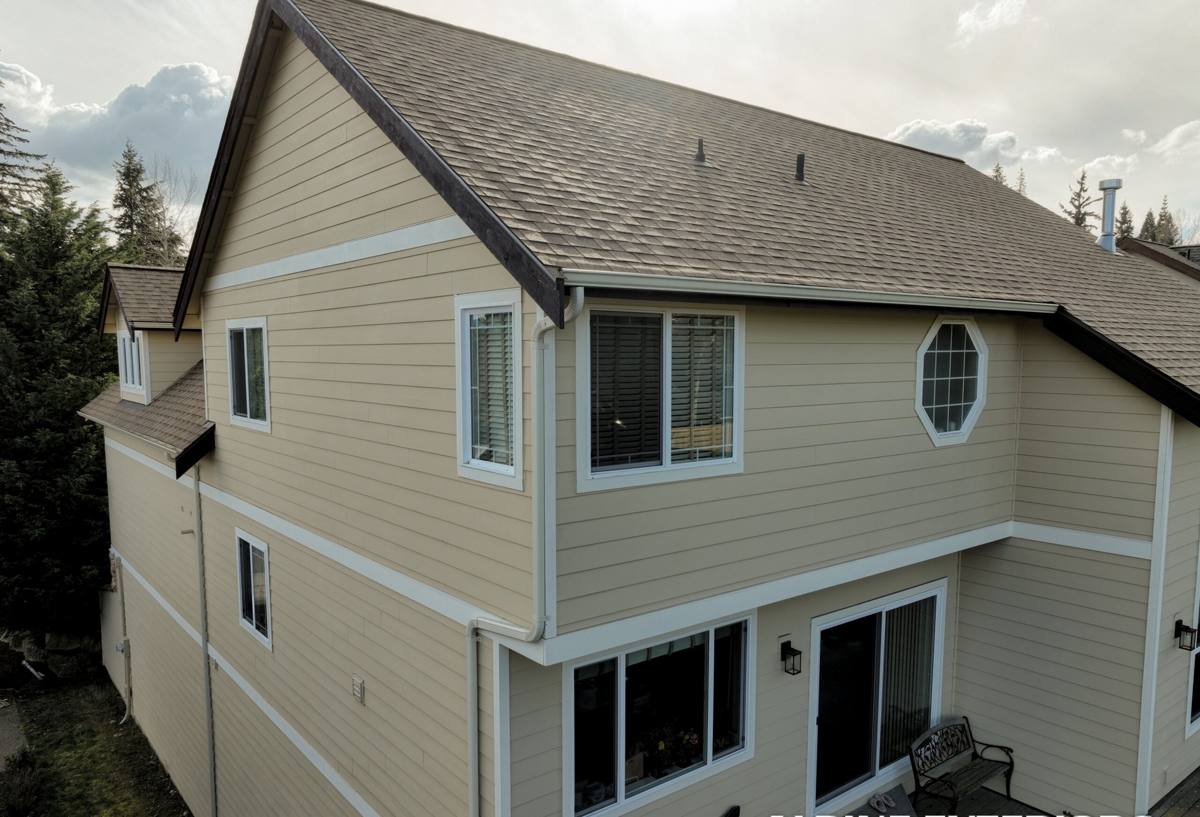
What Downtown Clearwater Homes Need From Their Windows
Wind and Impact Performance
Pinellas County enforces Florida Building Code wind-borne debris requirements for this coastal zone, which means new and replacement windows generally need to meet impact resistance standards or be paired with approved protection. This isn't optional paperwork — it's the difference between a window that holds during a tropical storm or hurricane and one that becomes an entry point for wind and water. Any contractor quoting window installation in this area should be pulling permits and installing to the current wind zone requirements for your specific address, not a generic statewide minimum.
Moisture and Corrosion Resistance
Salt air accelerates corrosion on hardware, fasteners, and lower-grade metal frames. Over years, that corrosion works its way into hinges, locks, and cranks, making windows harder to operate and less secure. Frame materials and hardware finishes matter more here than they would 30 miles inland, and it's worth choosing components rated for coastal exposure rather than standard-grade hardware.
UV Stability
Florida sun breaks down vinyl, weatherstripping, and seals faster than almost anywhere else in the country. Low-quality vinyl can warp or discolor within a few years under constant UV load. Glass coatings that block UV transmission also protect interior flooring, furniture, and window treatments from fading — a real, cumulative cost that's easy to underestimate until it shows up.
Energy Performance
Downtown Clearwater's cooling season runs most of the year, so a window's Low-E coating and overall U-factor have a direct, ongoing effect on utility bills. Older single-pane or poorly sealed windows let conditioned air escape constantly, and the AC system works harder to compensate.
What a Correct Window Installation Actually Involves
The window unit itself is only part of the job. In our experience, most window failures in this climate trace back to the installation, not the product. A correct installation includes:
- Removing the old window down to the rough opening and inspecting the framing and sill for rot, moisture damage, or termite activity before anything new goes in
- Correcting any framing or water-intrusion issues found — installing a new window over a compromised opening just seals the problem inside the wall
- Installing self-adhered flashing membrane at the sill and jambs, lapped correctly so water sheds outward, not into the wall cavity
- Setting the window level, plumb, and square, then securing it per the manufacturer's and code-required fastening schedule for the local wind zone
- Filling the gap between the window frame and rough opening with the correct low-expansion foam or backer rod — not just caulk, which isn't a structural air/water seal on its own
- Sealing the exterior perimeter with a compatible, paintable sealant rated for exterior and coastal exposure
- Finishing interior and exterior trim so the opening is fully weathertight and cosmetically complete
Skipping or rushing any one of these steps is how a brand-new window ends up leaking during the next heavy rain event, regardless of how good the glass and frame are.
Our Process for Downtown Clearwater Window Installation Projects
1. On-Site Assessment
We walk the property, look at each opening individually, and check for existing moisture damage, framing issues, or settling that needs to be addressed before installation. Every home and every opening is a little different, and a generic quote without an actual site visit skips information that matters.
2. Product and Spec Selection
We help you choose frame material, glass package, and impact rating based on your budget, the window's orientation and sun exposure, and the wind zone requirements for your address — not a one-size-fits-all recommendation.
3. Permitting
Window replacement in Pinellas County typically requires a permit, especially where wind load or impact compliance is involved. We handle the permit process and schedule the required inspections so the work is documented and code-compliant.
4. Installation
Old units come out, openings are inspected and corrected as needed, and new windows go in following the flashing, sealing, and fastening steps outlined above.
5. Final Walkthrough
We check operation, seals, and finish work with you before calling the job complete, and make sure any required inspection has passed.
Comparing Common Frame Materials for This Climate
| Frame Material | Salt Air / Corrosion Resistance | UV / Heat Stability | Maintenance |
|---|---|---|---|
| Vinyl | Good — won't corrode | Depends heavily on vinyl quality; lower-grade product can warp under sustained heat | Low |
| Aluminum | Fair — needs marine-grade coating near the coast or hardware corrodes over time | Good — dimensionally stable in heat | Moderate — watch for pitting near salt exposure |
| Fiberglass | Very good — highly corrosion resistant | Very good — stable and doesn't warp | Low |
| Wood / Wood-clad | Poor without diligent upkeep — moisture and salt air accelerate rot | Fair — needs protective finish maintained | High |
We don't install unclad wood frames on homes this close to the water as a matter of professional standard — the maintenance burden and moisture risk in a salt-air environment outweigh the appearance benefit for most owners, and the long-term cost of upkeep tends to surprise people. Vinyl and fiberglass are our default recommendations for most Downtown Clearwater projects; aluminum remains a solid option when it's properly coated and detailed for coastal exposure.
Cost Factors to Understand Before You Get Quotes
| Factor | Why It Moves the Price |
|---|---|
| Impact-rated vs. standard glass | Impact-rated units cost more upfront but may reduce or eliminate the need for separate storm protection |
| Frame material | Vinyl is typically the most budget-friendly; fiberglass and impact-rated aluminum run higher |
| Number and size of openings | Larger openings and higher counts increase both material and labor cost |
| Existing framing condition | Rot or moisture damage found at removal adds repair scope before the new window can go in |
| Permit and inspection requirements | Coastal wind-zone permitting adds administrative time but is not optional in this area |
We give straightforward, itemized estimates so you can see what's driving the number, rather than a flat per-window price that hides what you're actually paying for.
Why Local Experience Matters for This Job
A crew that installs windows across Pinellas County regularly knows the local wind zone requirements, has an established relationship with the permitting process, and has seen firsthand how homes in this specific area age under salt air and UV exposure. That local knowledge shows up in small decisions — which sealants hold up here, which hardware finishes actually resist corrosion, how to detail a sill so wind-driven rain during a summer storm doesn't find its way in. It's the difference between a window installed to a generic national standard and one installed for the conditions it will actually face in Downtown Clearwater.
Signs Your Current Windows Need Attention
- Fogging or moisture between panes on double- or triple-pane units, indicating a failed seal
- Difficulty opening, closing, or locking, especially after storm season
- Visible corrosion or pitting on hardware or frame components
- Drafts or noticeable temperature differences near the window when the AC is running
- Warping, discoloration, or chalking on vinyl frames
- Water staining on the interior wall or sill below a window after heavy rain
- Rising cooling bills without another clear explanation
If several of these apply, it's worth having the windows assessed rather than waiting for a full failure during storm season.
If you're weighing window replacement for a home in Downtown Clearwater, we're glad to come take a look and walk you through your options with a straightforward, no-pressure estimate — just fill out the form below to get started.