 Clearwater Siding
 Storm Damage Roof Repair for Harbor Oaks Homes
Harbor Oaks sits close enough to the water that every storm season brings the same combination of problems: gusting wind that lifts shingles and tile, wind-driven rain that finds its way through the smallest gap, and salt air that quietly ages roofing materials year-round even when nothing dramatic happens. If you own a home in this part of Clearwater, your roof isn't dealing with "weather" in the generic sense — it's dealing with a specific, repeatable set of stresses tied to living in Pinellas County.
This page is about one thing: repairing storm-damaged roofs on Harbor Oaks homes, done correctly, by a crew that already understands what this neighborhood's roofs go through. Not a general overview of roofing — a straight explanation of what storm damage looks like here, what a proper repair involves, and how we handle the job from first call to final walk-through.
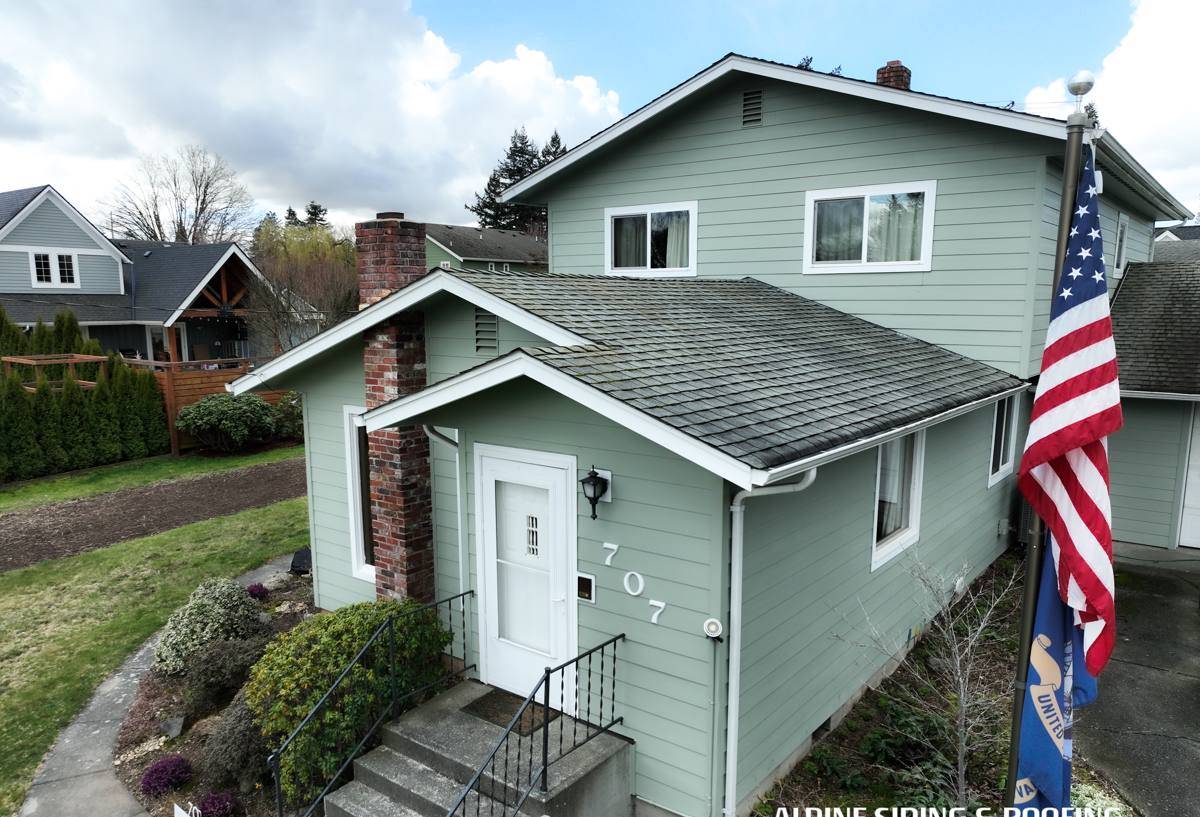
What Coastal Storms Actually Do to a Roof
Wind damage rarely announces itself with a hole in the roof. More often it starts small and gets worse if it's ignored.
Wind and Uplift
Hurricane-force and even sub-hurricane gusts create uplift pressure at roof edges, ridges, and corners first — the same spots where shingles or tiles are most exposed. A few tabs lift or crack, a ridge cap shifts, and the seal underneath is broken even if nothing looks obviously wrong from the ground.
Wind-Driven Rain
Rain that falls straight down mostly runs off a well-installed roof. Rain that's being pushed sideways at 40-60 mph finds every seam, nail hole, and lifted edge and pushes water uphill, under flashing, and into places gravity alone would never take it. This is why storm leaks often show up at valleys, chimney flashing, and roof-to-wall transitions rather than in the open field of the roof.
UV and Salt Air — The Damage Between Storms
Between named storms, Clearwater's near-constant sun bakes asphalt shingles and dries out sealants, while salt air corrodes exposed fasteners, flashing, and metal roof edges faster than it would inland. A roof that's already brittle from UV exposure or has corroded fasteners going into hurricane season is far more likely to fail in the next wind event. Storm damage and everyday coastal wear aren't separate problems — the second sets up the first.
Signs of Storm Damage Worth Checking in Harbor Oaks
Some damage is obvious after a storm. Some isn't visible from the ground at all, which is why a proper inspection matters more than a quick look at the roofline. Signs worth acting on:
- Missing, cracked, or curling shingles, or tiles that are visibly shifted or slipped out of alignment
- Granules collecting in gutters or at downspout discharge points after a storm
- Soft spots, sagging, or discoloration on ceilings — especially near exterior walls, skylights, or chimneys
- Visible daylight through the attic decking, or damp insulation
- Lifted, cracked, or missing flashing around vents, chimneys, and where the roof meets a wall
- Debris damage — dented vents, cracked pipe boots, or punctures from tree limbs or wind-blown material
- Water stains at the top of interior walls that appear only after wind-driven rain, not regular rainfall
If any of these show up after a storm, the roof should be checked before the next one — not after the next leak.
What a Correct Storm Damage Repair Involves
A rushed repair after a storm is one of the most common ways homeowners end up paying for the same damage twice. Doing it right means treating the repair as a full diagnosis, not just a patch over the visible problem.
Full Inspection, Not a Spot Check
We look at the whole roof system — field, ridges, valleys, flashing, penetrations, and the attic from underneath — because wind damage in one area often means stress or hidden movement nearby. A missing shingle at the edge can be a symptom of a bigger uplift event that also loosened fasteners a few feet away.
Matching Existing Materials Where Possible
Repairs should blend with the surrounding roof in material, profile, and where reasonably possible, color and age. A patch that doesn't match the surrounding roof isn't just a cosmetic issue — mismatched materials can weather and expand differently, creating new weak points.
Underlayment and Flashing, Not Just Surface Materials
Replacing a shingle or tile without checking the underlayment and flashing beneath it is how leaks come back. If wind-driven rain got underneath the surface layer, the underlayment may be compromised even where the top layer looks intact after a quick patch.
Sealing for the Next Storm, Not Just This One
Every repair is done with the next wind event in mind — proper fastening patterns, sealed flashing laps, and secured ridge and hip caps. A repair that only addresses today's visible damage without accounting for wind resistance is a repair you'll be paying for again.
Repair or Replacement: How We Help You Decide
Not every storm-damaged roof needs full replacement, and not every roof is worth repairing again. The right call depends on the roof's age, how widespread the damage is, and what condition the rest of the roof was in before the storm.
| Factor | Leans Toward Repair | Leans Toward Replacement |
|---|---|---|
| Roof age | Well within expected service life | Near or past typical lifespan for the material |
| Extent of damage | Localized — one section, edge, or penetration | Widespread across multiple roof planes |
| Underlying condition | Underlayment and decking sound elsewhere | Signs of prior water intrusion or rot found during inspection |
| Repair history | First significant repair needed | Multiple prior storm repairs in the same areas |
| Insurance scope | Adjuster's scope matches a targeted repair | Adjuster's scope or damage pattern supports full replacement |
We'll walk you through where your roof falls on this and give you a straight recommendation — not the most expensive option, the correct one for the roof in front of us.
Our Process: From First Call to Final Sign-Off
- Inspection. We assess the full roof system, document damage with photos, and check the attic where accessible.
- Written scope and estimate. You get a clear breakdown of what's damaged, what needs to be done, and why — no vague line items.
- Temporary protection if needed. If there's active leaking, we secure the roof against further water intrusion before the full repair is scheduled.
- Insurance documentation. If you're filing a claim, we provide the documentation your adjuster needs and can walk the roof with them if requested.
- Repair work. Matched materials, proper flashing and underlayment work, and fastening built for the next storm — not just this one.
- Final walk-through. We review the completed repair with you before calling the job done.
Storm Damage and Insurance Claims
Most storm damage repairs in this area involve an insurance claim, and the process goes more smoothly when the documentation is thorough from the start. We're not a public adjuster and we don't handle the claim itself — that's between you and your insurer — but we provide clear photo documentation, a detailed written scope, and are available to meet an adjuster on-site if that's useful. Homeowners who wait to document damage, or who get a vague verbal estimate instead of a written scope, are the ones who run into disputes later. Getting a proper inspection and paper trail right after a storm protects you either way, whether or not you end up filing.
Materials That Hold Up in This Climate
What we recommend for a Harbor Oaks roof depends on the home, but the materials we lean on for coastal Pinellas County conditions share a few traits: wind ratings that match or exceed what this area actually sees, fasteners and flashing resistant to salt-air corrosion, and installation methods proven against wind-driven rain rather than just standard-grade application. We're honest about trade-offs — some lower-cost materials require more frequent maintenance in salt air, and some premium products come with installation sensitivities that matter more here than they would inland. We'll explain the reasoning for what we recommend rather than just naming a product.
Why a Crew That Already Works Harbor Oaks Matters
Storm damage repair isn't generic work. A crew that regularly works roofs in this part of Clearwater already knows how local roof types typically fail in wind, which flashing details tend to be the weak point on homes in this area, and what a legitimate repair scope looks like versus a rushed one. That familiarity shows up in faster, more accurate inspections and repairs that account for the next storm, not just the last one. After major storms, it also means being able to respond to Harbor Oaks calls without the delays that come with crews unfamiliar with the area or spread thin across unrelated territory.
If your roof took damage in a recent storm — or you want it checked before the next one — we're glad to come out and give you a straight, no-pressure assessment. Use the form below to request a free estimate.