 Clearwater Siding
 Why Indian Rocks Beach Siding Wears Differently
Indian Rocks Beach sits right on the Gulf, which means the siding on these homes lives a harder life than siding just a few miles inland in Clearwater. Salt-laden air corrodes fasteners and trim faster, constant onshore wind drives rain sideways into every seam and joint, and the sun here is intense and nearly year-round — UV breaks down caulking, paint film, and lesser siding materials at a pace inland Pinellas County homes just don't experience. Add in the occasional direct hit or near-miss from a tropical system, and it's easy to see why siding on a barrier island home rarely fails the same way twice.
That's the backdrop for every repair call we get from this area. A crack, a soft spot, a section that's pulled away from the wall — on an Indian Rocks Beach home, the cause is almost always tied to one or more of these exposure factors, not just age. A repair that doesn't account for that will fail again, usually within a season or two.
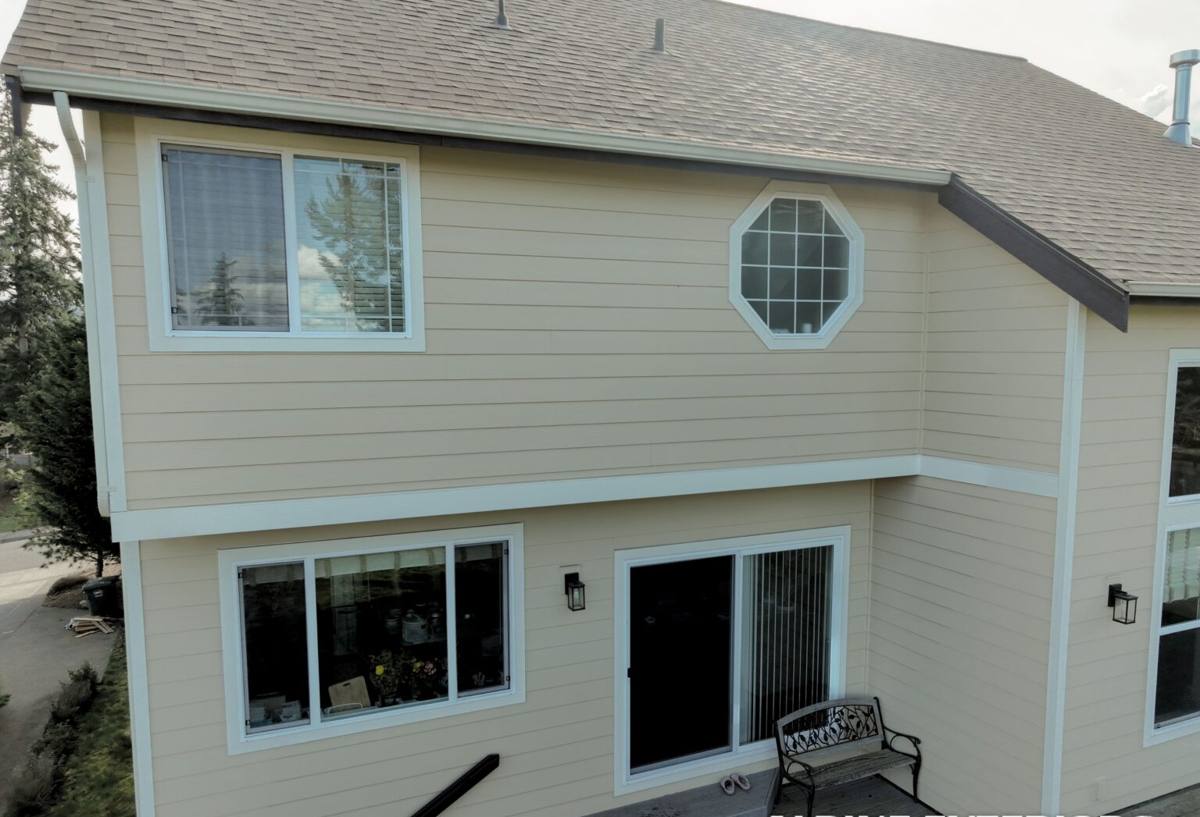
Common Siding Problems We See on Indian Rocks Beach Homes
- Wind-driven rain intrusion at butt joints, corners, and around window and door trim, especially on the Gulf-facing side of the house
- Fastener corrosion and staining — rust streaks bleeding from nail heads or screws that were never rated for coastal salt exposure
- Impact damage from wind-carried debris during storms, including cracked or punched-through panels
- Paint and caulk failure from sustained UV exposure, leaving seams open to moisture
- Panel separation or buckling where original installation didn't leave proper expansion clearance or used the wrong fastening pattern
- Soft or delaminating sections on wood-based or lesser fiber cement products that have absorbed moisture over time
Some of these are cosmetic and isolated. Others are a sign that moisture has been getting behind the siding for a while, which changes the scope of the repair.
Signs It's Time to Call, Not Wait
Homeowners often wait on siding issues because a crack or a loose panel doesn't look urgent. On a barrier island, that gap between "cosmetic" and "structural" closes faster than people expect. Watch for:
- Visible cracks or gaps at seams, corners, or around penetrations (vents, light fixtures, hose bibs)
- Panels that flex, feel soft, or sound hollow when tapped
- Bubbling or peeling paint concentrated in one area rather than spread evenly
- Discoloration or staining that keeps returning after cleaning
- Any siding damage that appeared right after a storm, even if it looks minor
If moisture has already worked its way behind the cladding, the sheathing and framing underneath can start absorbing damage that's invisible until it's expensive. Catching a problem while it's still a repair — not a wall rebuild — is the whole goal.
What a Correct Repair Actually Involves
A lot of "repairs" on coastal homes amount to caulking over a crack and calling it done. That buys a little time and hides the problem, but it doesn't fix what caused the failure. Here's what we actually do:
1. Find the Cause, Not Just the Symptom
Before we touch a panel, we trace where water or wind pressure is actually getting in. A crack at a corner might be a symptom of a flashing issue, a caulk failure two feet away, or a fastening pattern that never should have been used on a Gulf-facing wall. Repairing the visible damage without addressing the entry point means the same failure comes back.
2. Check What's Behind the Siding
Any section showing softness, staining, or separation gets opened up to check the water-resistive barrier and sheathing underneath. If there's hidden moisture damage, that needs to be dealt with before new siding goes back on — otherwise you're covering up a problem instead of solving it.
3. Match Existing Siding Correctly
Replacing a damaged section means matching profile, reveal, and finish as closely as possible so the repair doesn't stand out. With factory-finished fiber cement, color match is far more consistent than trying to field-match paint on other materials — this is one of the practical advantages of working with a single, engineered product line instead of whatever happens to be on the wall.
4. Refasten and Reseal to Coastal Standards
Fasteners, flashing tape, and sealants all get selected for salt-air and wind exposure, not generic inland specs. This is where a lot of original installations — and a lot of quick patch jobs — fall short.
Repair vs. Replace: How We Decide
| Situation | Usually a Repair | Usually Points to Replacement |
|---|---|---|
| Damage extent | Isolated to one or two sections/elevations | Spread across multiple walls or the whole exterior |
| Underlying material | Sound siding, localized issue | Widespread soft spots, delamination, or rot |
| Cause | Impact damage, single failed seam, storm event | Systemic moisture intrusion from age or original install defects |
| Age of siding | Relatively recent, still within expected service life | Original siding is decades old and near end of life |
| Sheathing condition | Dry, undamaged behind the repair area | Wet, deteriorated, or showing mold behind multiple sections |
We'll always give you a straight answer on which category your home falls into, including a look at what's driving the cost either way, before recommending a path.
Our Process for Indian Rocks Beach Repairs
- On-site assessment. We inspect the damaged area and the surrounding siding, checking for moisture behind the surface, not just what's visible.
- Honest scope and estimate. You get a clear picture of what's actually needed — a targeted repair, a larger section replacement, or (if the damage is extensive) a conversation about full replacement instead of chasing repairs indefinitely.
- Repair work. Damaged material is removed, any underlying moisture or sheathing issues are addressed, and new material is installed with coastal-appropriate fastening, flashing, and sealants.
- Finish match. Repaired sections are matched to existing siding as closely as the material allows.
- Final walkthrough. We confirm the repair holds up to inspection before we consider the job done.
Why We Only Work in James Hardie Fiber Cement
When a repair involves replacing damaged sections, what you replace them with matters — especially this close to the Gulf. We install James Hardie fiber cement exclusively, and on a barrier island home that's not a brand preference, it's a practical one. Hardie's HZ5 formulation is engineered specifically for higher-moisture, higher-humidity climates like ours, the material is non-combustible, and the ColorPlus factory finish holds up to intense UV far better than field-applied paint. That matters directly for repair work: a factory finish gives us a much better shot at a clean color match, and a moisture-resistant substrate means the new section is less likely to be the thing we're repairing again in three years.
It's also why we don't install vinyl, LP SmartSide, or other wood-based products on these homes. Vinyl can distort under sustained heat and doesn't hold up well to wind-driven debris. Engineered wood products are more sensitive to moisture intrusion than fiber cement, which is exactly the vulnerability that causes most of the repair calls we get in this area to begin with. Replacing damaged wood siding with more wood siding just resets the clock on the same problem.
What to Expect: Timeline and Disruption
Most single-section or multi-section repairs on Indian Rocks Beach homes are completed in one to a few days, weather permitting — Gulf-side work depends on calm conditions for proper sealant cure. Larger repairs involving sheathing work take longer. We'll give you a realistic timeframe up front based on what we find during the assessment, not a generic estimate that doesn't account for what's actually going on behind your siding.
Questions to Ask Before Hiring a Siding Repair Contractor
- Will you check for moisture damage behind the siding, or just patch what's visible?
- What fasteners and sealants do you use for coastal/salt-air exposure?
- Can you match my existing siding's color and profile, and how?
- Do you carry proper licensing and insurance for exterior work in Pinellas County?
- Will the repair area be covered under a manufacturer warranty, or only a workmanship warranty?
- How do you determine if a repair is the right call versus recommending replacement?
A contractor who can't answer these clearly — or who wants to quote a repair without ever inspecting what's behind the damaged section — is a red flag on a coastal property, where hidden damage is common enough to expect.
Local Experience Matters Here
Indian Rocks Beach siding problems don't look like Clearwater siding problems five miles inland, and they definitely don't look like siding problems in a landlocked climate. A crew that repairs siding across a range of Pinellas County conditions — barrier island exposure, wind-driven rain, salt air, hurricane season — knows what to check for before recommending a fix, and knows which materials and fastening methods actually hold up here versus which ones just look fine until the next storm season.
If you've got a section of damaged, cracked, or failing siding on your Indian Rocks Beach home, we're happy to take a look and give you a straightforward assessment — no pressure, no upsell, just an honest read on what's going on and what it'll take to fix it right. Reach out below for a free estimate.