 Clearwater Siding
 Palm Harbor's Climate Is Hard on Siding — Here's What That Actually Means
Palm Harbor sits close enough to the Gulf that homes deal with salt-laden air on a regular basis, even on days that feel calm. Add in Pinellas County's summer humidity, near-constant UV exposure, and the wind-driven rain that comes with every tropical system that brushes the west coast of Florida, and you have a combination that few exterior products handle well over the long term. Siding here isn't just cosmetic — it's the first line of defense against water intrusion, and it takes a beating from angles most manufacturers never test for.
Hurricane-force wind doesn't just push rain sideways; it drives it up under laps, into seams, and behind trim that isn't properly flashed. UV breaks down surface coatings and causes lesser materials to fade, chalk, or become brittle. Salt air accelerates corrosion on fasteners and hardware that aren't rated for coastal exposure. None of this is unique to Palm Harbor, but the combination and frequency of it is why we treat siding choice and installation quality as separate problems that both need to be solved correctly.
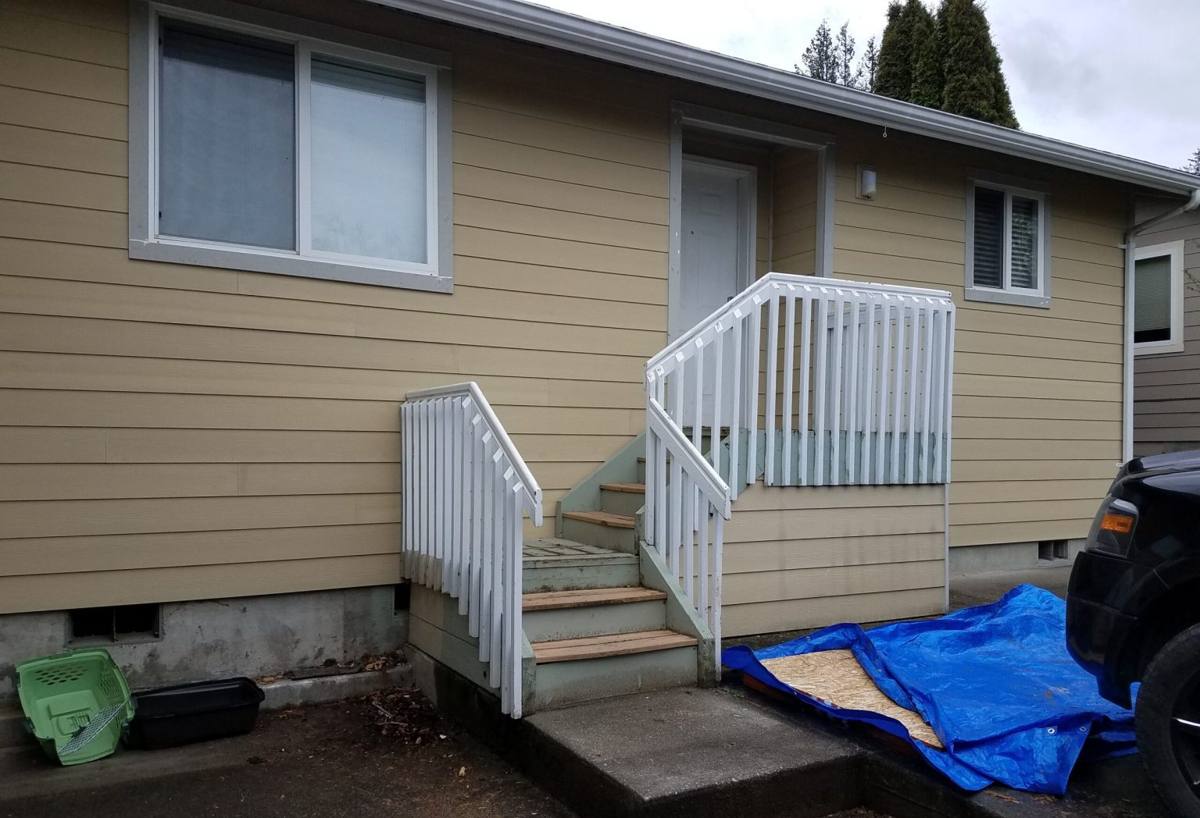
What Fiber Cement Siding Gets Right for This Area
Fiber cement is a mix of cement, sand, and cellulose fiber, formed and cured into planks or panels. Unlike wood-based products, it doesn't swell, rot, or feed insects. Unlike vinyl, it doesn't soften, warp, or become brittle from years of direct Florida sun. It holds paint and factory finishes far longer than wood substrates, and it's non-combustible, which matters to some homeowners and to some insurance carriers.
For a home in Palm Harbor specifically, the properties that matter most are:
- Dimensional stability in humidity swings — it doesn't expand and contract enough to work fasteners loose over time the way wood can
- Resistance to moisture-driven rot, since wind-driven rain will find any gap in the building envelope eventually
- A factory finish that's engineered to hold color under sustained UV rather than a field-applied coat that starts degrading immediately
- Enough mass and rigidity to perform well in wind events when installed with the correct fastening pattern
None of that is automatic just because a house has "fiber cement" on the invoice. The product family covers a wide range of manufacturing quality, and the installation matters as much as the material.
Why We Only Install James Hardie — Not Other Fiber Cement Brands
We get asked why we don't install every fiber cement product on the market, including other reputable-sounding brands like Cemplank or Allura. The honest answer is that we standardized on one manufacturer, James Hardie, because it lets us guarantee a level of consistency in the plank itself, in the factory finish, and in the warranty backing it — and because Hardie engineers specific product lines for humid, high-UV climates like ours (their HZ5 line is built for exactly this kind of exposure).
We also don't install LP SmartSide, vinyl siding, or primed wood/cedar siding, and we're upfront about why. LP SmartSide is a wood-strand product — it performs well in many climates, but wood-strand substrates are more sensitive to sustained moisture exposure than fiber cement, and in a market with this much wind-driven rain, we don't think it's the right long-term bet. Vinyl is inexpensive and easy to install, but it softens and can warp under sustained direct sun and doesn't hold up structurally in high wind the way a properly fastened fiber cement plank does. Primed spruce or cedar looks good on day one, but it requires ongoing paint maintenance and is the most vulnerable of the group to rot once a coating fails. These aren't defects in those products — they're trade-offs, and in this climate, we don't think they're trade-offs worth making. James Hardie fiber cement is what we're willing to warranty our labor against.
What a Correct Fiber Cement Installation Actually Involves
Prep and Moisture Management First
Before a single plank goes up, the substrate needs to be sound, and the water-resistive barrier needs to be continuous and properly lapped. Any rot, soft sheathing, or compromised house wrap found during tear-off gets addressed before new siding goes on — covering a moisture problem with new siding just hides it until it's worse and more expensive.
Fasteners, Clearances, and Flashing
James Hardie publishes specific fastening schedules, clearance requirements (ground clearance, roofline clearance, deck and patio clearance), and flashing details for every product line. In a wind zone like ours, fastener spacing and type aren't optional guidelines — they're what keeps the siding on the wall in a serious storm. Corrosion-resistant fasteners matter more here than in most parts of the country because of the salt air.
Joints, Caulking, and Butt Joints
Wind-driven rain finds its way in at joints faster than anywhere else on the wall. Correct butt joint treatment, proper caulking at trim and penetrations, and correct overlap at laps are what separate a installation that sheds water for decades from one that starts leaking within a few storm seasons.
Our Process for Palm Harbor Homeowners
- On-site assessment — we look at the current siding, the substrate underneath where accessible, trim conditions, and any problem areas specific to the home's exposure
- Written scope and product selection — plank profile, exposure width, and ColorPlus finish selected based on the home's style and your preference
- Tear-off and substrate inspection — old siding removed, sheathing and house wrap inspected and repaired as needed before anything new goes up
- Installation to manufacturer spec — correct fastening pattern, clearances, and flashing details for our wind and moisture exposure
- Trim, caulking, and final detailing — the joints and transitions that determine long-term water performance
- Final walkthrough — we go over the finished job with you before calling it complete
Choosing the Right HardiePlank Line for Palm Harbor
James Hardie makes several product lines, and picking the right one depends on the look you want and the specific exposure of each elevation of your home.
| Product | Best For | Notes for This Climate |
|---|---|---|
| HardiePlank Lap Siding | Traditional horizontal siding look | Most common choice; available in several exposure widths and textures |
| HardiePanel Vertical Siding | Modern look, accent walls, gable ends | Works well paired with lap siding for design contrast |
| HardieShingle Siding | Shingle-style accents, dormers | Good for architectural detail without the maintenance of real wood shingle |
| HZ5 Engineered Formulation | Homes in humid, high-moisture climates | Hardie's climate-specific formulation for regions like ours |
ColorPlus factory-applied finishes are worth the upfront conversation, since a factory-baked finish holds up to UV and salt air noticeably longer than field-applied paint, and it's backed by its own finish warranty separate from the substrate warranty.
Cost Factors Homeowners Should Understand
Pricing varies by home size, complexity of the elevations, trim detail, and how much substrate repair is needed once old siding comes off — we don't quote a number without seeing the home. That said, a few factors consistently move the price:
| Factor | Why It Matters |
|---|---|
| Substrate condition | Rot or moisture damage found during tear-off adds repair scope before new siding can go on |
| Home complexity | Multiple gables, dormers, and cut-ins take more labor per square foot than a simple rectangular elevation |
| Product line and finish | ColorPlus finishes and specialty profiles cost more than standard primed planks |
| Trim and accessory work | Fascia, soffit, and trim replacement alongside siding is more efficient than doing it later separately |
| Access and site conditions | Landscaping, fencing, and multi-story sections affect labor time |
Maintenance Checklist for Palm Harbor Homes
Fiber cement is low-maintenance compared to wood, but "low-maintenance" isn't "no-maintenance," especially this close to the Gulf. A simple annual routine goes a long way:
- Rinse the exterior periodically to clear salt residue and airborne grime, especially on elevations facing prevailing wind
- Inspect caulking at trim, corners, and penetrations once a year and after any major storm
- Look for any hairline cracking at butt joints or corners, which can be an early sign of movement or fastener issues
- Keep irrigation heads and sprinklers from spraying directly on siding, which accelerates mineral buildup and staining
- Trim back vegetation and mulch so siding maintains proper ground clearance
- After any tropical system, walk the exterior and check for lifted planks, damaged trim, or new gaps at joints
Signs Your Current Siding Is Already Failing
Homeowners often call us after noticing one of the following, and in most cases the underlying moisture problem has been building for a while before it becomes visible:
- Soft or spongy spots when pressing on siding near the bottom edges or corners
- Visible warping, buckling, or gaps opening up at seams
- Paint that's peeling or bubbling rather than just fading
- Persistent staining in the same spot after every rain
- Interior signs like peeling paint or musty smells on exterior-facing walls
Any of these are worth a professional look before they turn into sheathing repair on top of a siding job.
Why Hiring a Crew That Already Works Palm Harbor Matters
Wind and moisture detailing that's correct in a dry inland climate isn't always sufficient here. A crew that regularly works Pinellas County homes already knows the clearance and flashing details that matter most for wind-driven rain, understands which elevations on a typical Palm Harbor lot take the worst of the weather, and isn't learning coastal-specific installation requirements on your project. That familiarity shows up in fewer callbacks and siding that actually performs the way it's supposed to during the next storm season, not just on a sunny install day.
If you're weighing a siding replacement or repair on a Palm Harbor home, we're happy to take a look and walk you through what we're seeing and why. Reach out for a free, no-pressure estimate — the form below gets you started.