 Clearwater Siding
 Roof Repair Built Around Oldsmar's Weather, Not a Generic Checklist
Oldsmar sits near enough to Tampa Bay and the Gulf that its roofs take on the same punishing combination every other Pinellas County community deals with: long stretches of intense UV, sudden wind-driven downpours, and salt-laden air that works its way into fasteners, flashing, and granule coatings over time. Add in the occasional tropical system with hurricane-force gusts, and a roof here ages differently than one in a drier, cooler climate. Repairs that don't account for that reality tend to fail again within a season or two.
We repair roofs for homeowners in and around Oldsmar as part of our regular Clearwater-area service territory. That matters more than it sounds like it should. A crew that's on local roofs every week has a working sense of which shingle lines are struggling in this climate, which flashing details tend to fail first, and how quickly a small leak here can turn into a bigger problem if it's ignored through a wet summer.
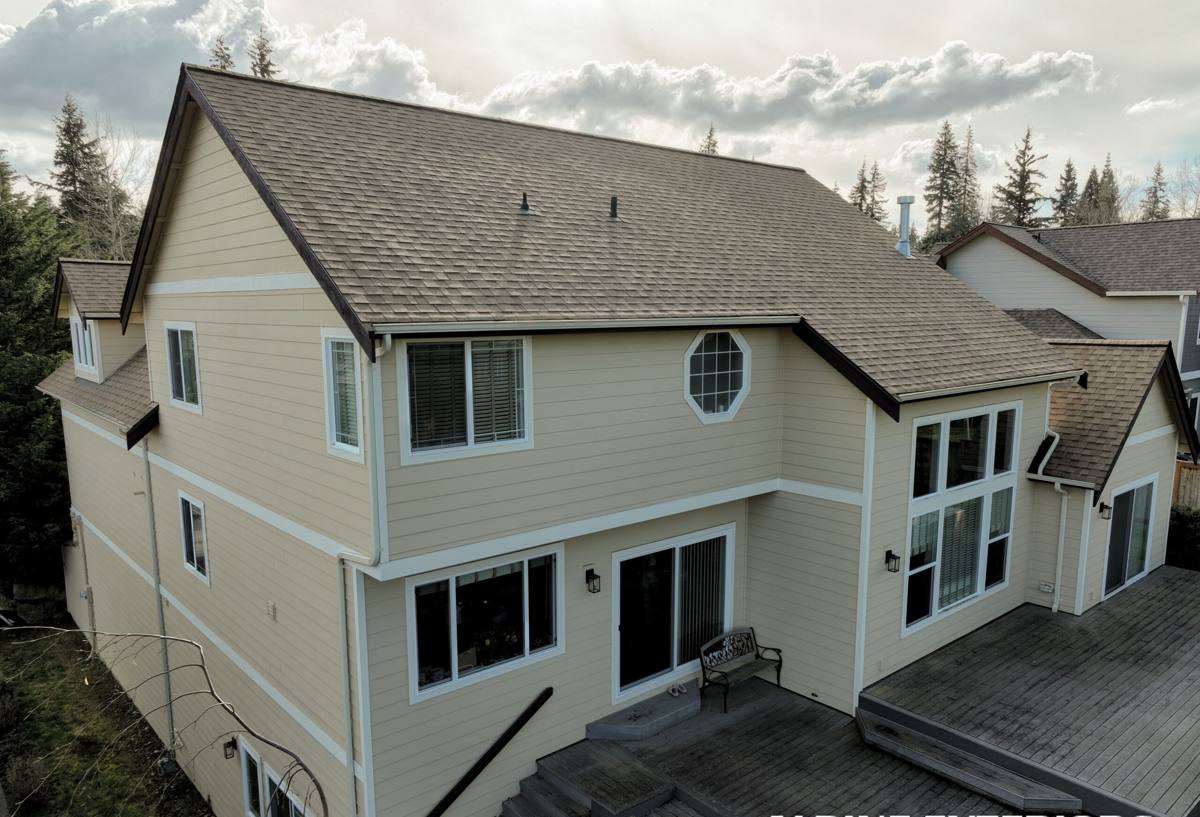
What Oldsmar Homes Actually Need From a Roof Repair
Not every repair is the same job twice. What a roof needs depends on its age, material, and what's actually failing. In this area, the most common repair drivers we see are:
- Wind-lifted or missing shingles after a storm, especially along ridge lines and roof edges where uplift is strongest
- Cracked or brittle pipe boots and rubber flashing from years of continuous UV exposure
- Nail pops and sealant failure around penetrations, vents, and skylights
- Granule loss on aging shingles, which shows up as bald patches and accelerates UV damage underneath
- Flashing corrosion at valleys, chimneys, and wall intersections, worsened by salt air moving in off the Gulf and the bay
- Soft or damp decking found under a leak that's been active longer than the homeowner realized
A correct repair addresses the actual failure point, not just the symptom. Patching a stain on a ceiling without finding where water is actually entering the roof system just delays the real fix.
Why Small Roof Problems Escalate Faster Here
Florida's rainy season doesn't give a compromised roof much of a break. Once water finds a path in — through a cracked pipe boot, lifted shingle tab, or failed flashing seam — repeated heavy rain events push it further into the decking and framing before most homeowners notice anything beyond a small ceiling spot. Humidity in the attic space then keeps that wet wood from drying out between storms, which is how a $300 flashing repair turns into a $3,000 decking replacement if it sits too long.
How We Approach a Repair Call
Our process is straightforward and the same whether the job is a single cracked boot or storm damage across half the roof:
- Inspection first. We get on the roof (weather permitting) and physically check flashing, penetrations, shingle condition, and any interior evidence of water intrusion — not just a look from the ground.
- Find the actual source. Interior leak locations and exterior entry points are often several feet apart, since water travels along decking and framing before it drips through drywall. We trace it back.
- Explain what we found. Before any work starts, we walk the homeowner through what's damaged, what's causing it, and what the repair will involve — plainly, without pressure to upsell a full replacement if a repair genuinely solves it.
- Match materials correctly. Repairs use compatible shingles, underlayment, and flashing so the patched section performs and weathers consistently with the rest of the roof.
- Seal and verify. All flashing, boots, and fastener points get properly sealed, and we check the repair holds under water testing where appropriate before calling the job done.
Repair vs. Replacement: How We Help You Decide
Not every damaged roof needs a full replacement, but not every roof is a good candidate for another round of patches either. The table below covers the factors that typically tip the decision one way or the other.
| Factor | Favors Repair | Favors Replacement |
|---|---|---|
| Roof age | Under 12-15 years | Approaching or past expected lifespan for the material |
| Damage extent | Isolated area (one slope, one flashing point) | Widespread granule loss, multiple leak areas |
| Decking condition | Solid, dry decking under the damaged section | Soft, delaminated, or repeatedly wet decking |
| Repair history | First or second repair in this area | Same spot has been patched multiple times |
| Shingle match | Matching shingles still reasonably available | Discontinued shingle line, visible mismatch unavoidable |
When a roof falls clearly into the repair column, we say so and repair it — a full replacement isn't the answer to every leak, and recommending one when it isn't needed doesn't serve the homeowner or build the kind of local reputation we want here.
Storm Damage Repairs
Tropical systems and severe thunderstorms bring wind gusts strong enough to lift shingle tabs, tear off ridge caps, and drive rain sideways under flashing that would otherwise hold up fine in normal weather. After a storm passes through the Oldsmar area, the repair calls we get typically fall into a few categories:
- Missing or torn shingles concentrated on one or two roof slopes (usually the sides that caught the wind directly)
- Lifted ridge cap shingles, which expose the ridge vent and roof peak to direct water entry
- Debris impact damage — branches or wind-blown material cracking shingles or denting metal flashing
- Water intrusion around chimneys, skylights, and vent stacks where wind-driven rain gets pushed past flashing that would normally shed water fine
If your insurance carrier is involved, we document damage clearly enough to support a claim, but our first priority on any storm call is stopping active water intrusion — tarping or temporary sealing if needed — before working through the permanent repair.
Salt Air's Slower, Quieter Damage
Storm damage is obvious. Salt air damage isn't. Being close enough to Tampa Bay and the Gulf means metal flashing, fasteners, and drip edge here corrode faster than they would further inland. We check for this specifically during repairs, because corroded fasteners and pitted flashing are a common hidden cause of leaks that homeowners assume are shingle problems.
Materials We Use and Why
For repairs, matching the existing roof system correctly matters as much as the workmanship. We use:
- Shingles matched to the existing roof in style and, where possible, color line, to avoid a patchwork appearance and keep wind and water resistance consistent
- Quality synthetic underlayment under any section we open up, rather than reusing degraded felt
- Corrosion-resistant flashing and fasteners appropriate for a coastal-influenced climate, since standard hardware corrodes faster here than it would inland
- Proper sealants rated for continuous UV and temperature swings, not general-purpose caulk that hardens and cracks within a year or two
We hold to this standard on repairs the same way we do on full installations. A repair done with mismatched or lower-grade materials might look fine at handoff and still fail early, which just means the homeowner pays for the same problem twice.
What a Homeowner Should Check Before It Becomes a Repair Call
A little periodic attention catches most roof problems while they're still small and cheap to fix. Worth checking every few months, especially after a significant storm:
- Ceiling stains, especially near chimneys, skylights, and where walls meet the roofline
- Shingles visible from the ground that look cracked, curled, or missing granules (bald, darker patches)
- Sagging sections of roofline, which can indicate a decking problem underneath
- Rusty streaks running down from metal flashing or vent stacks
- Debris buildup in valleys, which holds moisture against the roof surface longer than it should sit
- Gutters filling with granules, a sign the shingle surface is wearing down
None of these guarantee a major problem, but any of them are worth a professional look rather than a guess.
Why a Local Crew Matters for This Kind of Work
Roof repair is detail work — it depends on correctly reading how water is actually moving through a roof system, and that's easier to get right when a crew already understands how roofs in this specific climate typically fail. Working regularly in and around Oldsmar and the greater Clearwater area means we're not guessing at how Pinellas County's combination of UV, humidity, wind, and salt exposure affects a given repair. We're also positioned to respond quickly when a storm creates a batch of local repair needs at once, rather than a contractor traveling in from well outside the area only after everyone nearby has already been served.
If you've got a leak, storm damage, or a roof that's just showing its age, we're glad to take a look and give you an honest read on what it needs. Reach out below for a free, no-pressure estimate — there's no obligation, and we'll tell you plainly whether a repair makes sense or not.