 Clearwater Siding
 Board & Batten Siding Built for Seminole's Coastal Climate
Seminole sits close enough to the Gulf that salt air, wind-driven rain, and intense sun are part of daily life for every home in the area, not just the ones directly on the water. Board and batten siding — with its bold vertical lines and deep shadow reveals — is one of the most requested looks we install in Pinellas County right now, and for good reason. It gives a home real architectural presence, works beautifully on both classic Florida ranches and newer coastal-style builds, and when it's built from the right material and installed correctly, it holds up to exactly the kind of weather Seminole sees year-round. When it's built from the wrong material or installed carelessly, it's one of the first siding styles to show trouble at the seams.
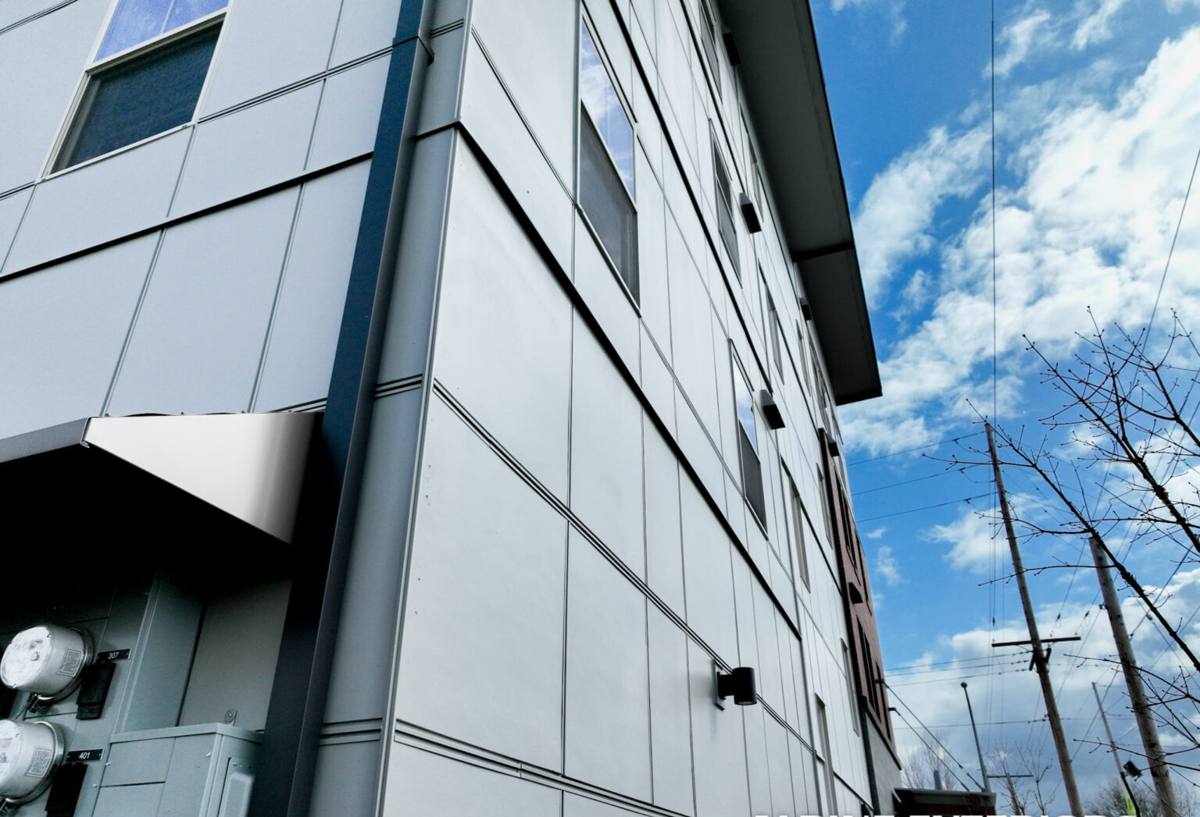
What Board & Batten Siding Actually Is
Board and batten is a vertical siding pattern: wide flat panels or boards installed side by side, with a narrower strip — the batten — covering each seam. The result is a rhythm of raised lines running top to bottom instead of the horizontal lap look most people picture when they think "siding." It reads as more modern or more farmhouse-traditional depending on the trim details and color, which is part of why it's popular for accent walls, gables, and full exteriors alike in Seminole's mix of home styles.
The pattern itself is simple. What separates a board and batten job that lasts twenty-plus years from one that fails at the seams in five is the material behind it and the water management underneath it. Vertical siding has more seams per square foot than horizontal lap siding, and every one of those seams is a potential path for water if it isn't detailed correctly.
Why the Vertical Pattern Matters in a Wind Climate
Seminole doesn't just get rain — it gets wind-driven rain, where storm gusts push water sideways and upward against the wall instead of letting it run straight down. Vertical board and batten has more butt joints and more places for that wind-driven moisture to find a gap than a standard lap profile. That's not a reason to avoid the style; it's a reason to insist on correct flashing, fastening, and a material that won't swell or rot if a small amount of moisture does get behind it occasionally.
What Seminole Homes Specifically Need From This Siding
We install siding across Pinellas County, and homes in the Seminole area face a specific combination of stresses that shapes how we spec and build a board and batten job here:
- Hurricane-force wind exposure — panels and battens need fastening schedules that hold under sustained high wind, not just building-code minimums.
- Wind-driven rain — every seam, corner, and batten joint needs a real drainage plane behind it, not just caulk covering a gap.
- Year-round intense UV — Florida sun fades and chalks lesser finishes fast, especially on the sun-facing elevations that get hit hardest in the afternoon.
- Salt air — proximity to the Gulf accelerates corrosion on fasteners and trim hardware and speeds up the breakdown of finishes not engineered for a coastal environment.
Any one of these on its own is manageable with standard materials. All four together, applied to a home for decades, is what separates products built for Pinellas County from products that were never engineered with this climate in mind.
What a Correct Board & Batten Installation Involves
Water Management Behind the Panels
Before a single board goes up, the wall needs a continuous weather-resistant barrier with properly lapped and taped seams, correctly integrated window and door flashing, and a drainage gap where the siding system calls for one. This layer is invisible once the job is finished, but it's the difference between a wall that sheds wind-driven rain and one that traps it.
Fastening and Batten Spacing
Panels and battens need to be fastened per the manufacturer's engineered schedule for the wind zone — not a generic pattern pulled from a different climate's spec sheet. Batten spacing also needs to account for the panel width being used underneath; inconsistent spacing isn't just a cosmetic issue, it changes how the wall sheds water at the seams.
Corners, Trim, and Penetrations
Outside corners, inside corners, and every point where the siding meets a window, vent, or fixture is a place water wants to find a way in. Correct trim detailing and sealant selection at these points matters as much as the field installation of the boards themselves.
James Hardie Board & Batten: The Only System We Install
We install James Hardie fiber cement exclusively — we don't offer vinyl, LP SmartSide, Cemplank, Allura, or primed wood board and batten, and we're upfront about why. Wood-based and engineered-wood battens can swell, split, or take on moisture damage at cut ends and seams over time, which is exactly the failure point Seminole's wind-driven rain and humidity go looking for. Vinyl board and batten profiles exist, but vinyl is a thin extruded material that can warp in sustained heat and doesn't hold paint, which limits long-term color options on a coastal home that's going to fade and chalk under Florida sun regardless of brand.
James Hardie fiber cement is non-combustible, dimensionally stable, and doesn't rot, swell, or attract termites — which matters on a material with this many seams. For board and batten specifically, we typically install HardiePanel vertical siding with HardieTrim battens, finished in ColorPlus Technology — a baked-on factory finish that resists fading and chalking far better than field-applied paint, backed by its own finish warranty separate from the product warranty. Hardie's HZ5 product line is engineered for high-humidity, high-moisture climates like ours, which is the formulation we use throughout Pinellas County.
The trade-off is honest: fiber cement is heavier and less forgiving to install than vinyl or wood, which means it takes a crew that knows the material to do it right. That's exactly why we standardized on one system instead of offering several — we'd rather be excellent at installing the product built for this climate than average at installing several that weren't.
Our Process for a Seminole Board & Batten Project
1. On-Site Assessment
We walk the home, check the condition of the existing siding and substrate, note wind exposure on each elevation, and talk through where board and batten makes sense — a full exterior, an accent gable, or a porch feature — along with reveal width and color.
2. Substrate Prep and Water Management
Any damaged sheathing gets addressed before the weather barrier goes on. This step doesn't show in the finished photos, but it's the step that determines whether the siding lasts.
3. Installation to Manufacturer Spec
Panels, battens, and trim go up following James Hardie's fastening and flashing requirements for our wind zone, with careful attention to every corner, penetration, and seam.
4. Final Walkthrough
We inspect the completed job with the homeowner, cover care and maintenance basics, and make sure everything meets the standard we'd accept on our own home.
Cost Factors for Board & Batten Siding
| Factor | Why It Affects Cost |
|---|---|
| Panel reveal / batten spacing | Wider reveals use fewer panels; tighter, more decorative spacing takes more material and labor |
| Substrate condition | Rotted or damaged sheathing found during tear-off needs repair before installation continues |
| Trim complexity | Corners, gables, and window/door detailing take more time on vertical patterns than a plain wall run |
| Coverage area | Full-exterior board and batten costs more than an accent gable or feature wall |
| Color selection | ColorPlus factory finishes come in a range of tiers; some premium colors cost more than standard options |
| Home height and access | Two-story walls and tight side-yard access add labor time |
We give exact numbers only after seeing the home in person — anyone quoting a firm price over the phone hasn't actually assessed the substrate or access, both of which move the cost.
Why Hiring a Crew That Already Works Seminole Matters
Board and batten installation quality is hard for a homeowner to inspect once it's finished — the fastening pattern, the flashing behind the seams, and the drainage plane are all covered up. That's precisely why experience with this exact climate matters more than it does in milder regions. A crew that regularly works Pinellas County homes already knows how Seminole's wind exposure and salt air behave on a job site, has already worked through the flashing details around this region's typical window and door styles, and isn't learning wind-zone fastening requirements for the first time on your house. Local experience isn't a marketing line here — it's the difference between a crew guessing at a spec sheet and a crew that's built this exact system on this exact coastline before.
Maintaining Board & Batten Siding in a Salt-Air Climate
- Rinse the exterior periodically to clear salt residue and airborne debris, especially on elevations facing prevailing wind.
- Inspect caulking at trim joints, corners, and penetrations annually and re-seal any that's cracked or pulled away.
- Keep irrigation heads and sprinklers from spraying directly on the siding — repeated wetting at the base accelerates wear at any material's weak points.
- Trim back landscaping that holds moisture against the wall or blocks airflow behind plantings.
- Have fastener heads and flashing checked after major storm events, not just when something looks visibly wrong.
- Repaint or refinish only with products compatible with ColorPlus factory finishes — improper products can void finish warranties.
If you're considering board and batten siding for a home in the Seminole area, we're happy to walk the property, look at your existing siding and substrate, and put together a straightforward, no-pressure estimate — just fill out the form below.