 Clearwater Siding
 Storm Damage Roof Repair for Del Oro Homes
If you live in the Del Oro area of Clearwater, your roof has already been tested more than most people realize. Between hurricane-season wind events, sudden downpours that come in sideways, and the kind of year-round sun intensity that only a Gulf Coast address can deliver, roofs here age differently than roofs inland. A storm doesn't have to make headlines to leave real damage behind, and that damage doesn't always announce itself with an obvious leak. This page walks through what storm damage actually looks like on a Del Oro roof, what a correct repair involves, and how our process works when you call us in after a weather event.
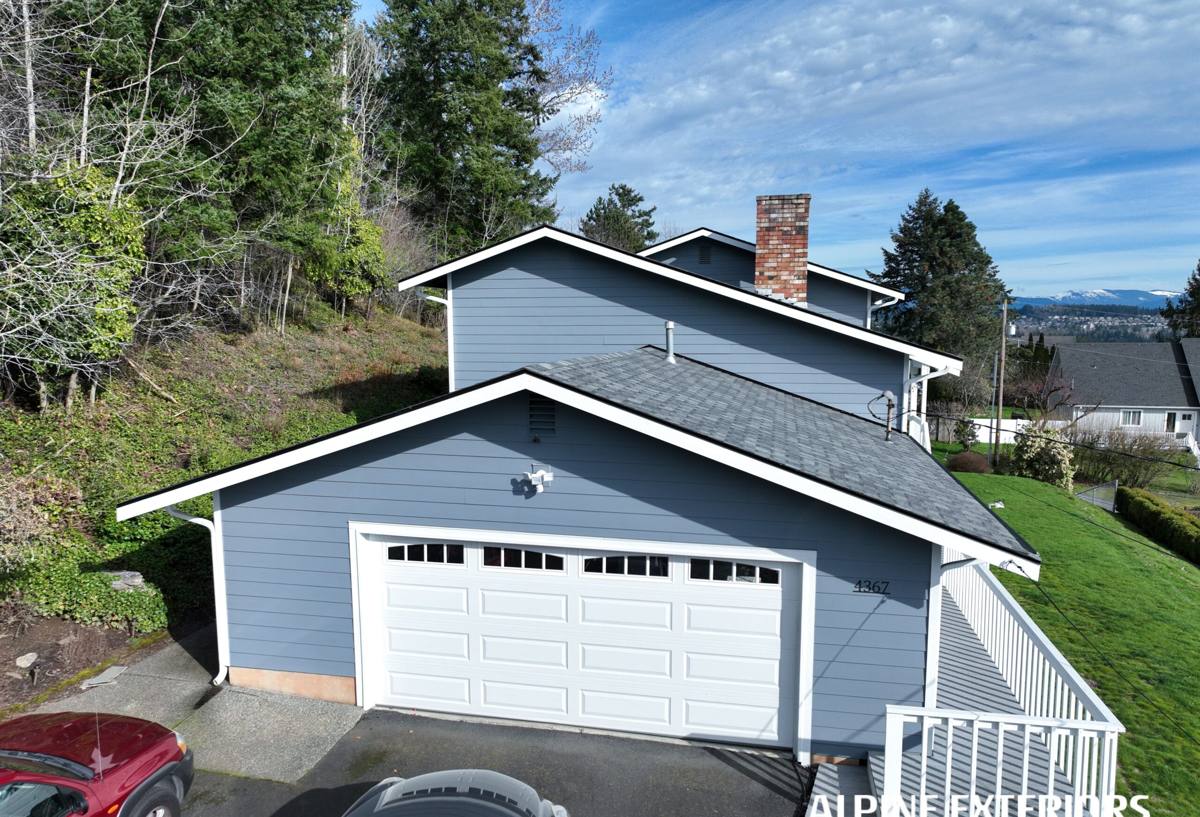
Why Del Oro Roofs Take a Different Kind of Beating
Pinellas County sits on a peninsula, which means every roof in Clearwater deals with a combination of stresses that don't always show up together in other parts of the country. Understanding these factors matters because they change what "storm damage" actually looks like once we're up on the roof.
Wind
Tropical systems and even routine summer thunderstorms can produce gusts strong enough to lift shingle edges, work flashing loose, or peel back ridge caps. Wind damage is often directional — it shows up worse on one slope of the roof than another, depending on which way the storm was moving when it hit Del Oro.
Wind-driven rain
Rain that falls straight down is manageable for almost any roof system. Rain that's being pushed sideways at 40-60 mph finds every gap in flashing, every lifted shingle tab, and every aging pipe boot. This is why storm damage frequently shows up as water intrusion at penetrations and edges rather than in the open field of the roof.
UV exposure
Florida sun is hard on asphalt and rubber components year-round. Shingles that have already lost granules to UV exposure, or pipe boots that have started to crack from sun exposure, are far more likely to fail outright when a storm adds wind and rain stress on top of that baseline wear.
Salt air
Being close to the coast means metal components — nails, flashing, drip edge, fasteners — corrode faster than they would further inland. Corroded fasteners lose their grip strength, which is part of why older roofs in coastal Clearwater neighborhoods tend to lose more shingles in a given wind event than a newer roof with the same wind rating.
What Counts as Storm Damage (It's Not Always a Leak)
One of the most common mistakes homeowners make after a storm is assuming "no leak yet" means "no damage." Some of the most common storm damage we find on Del Oro roofs includes:
- Lifted or creased shingle tabs that haven't fully detached but no longer seal properly
- Torn or missing ridge cap shingles along the roof's peak
- Granule loss concentrated in patches, which signals accelerated wear even without visible holes
- Flashing pulled away from chimneys, walls, or roof-to-wall transitions
- Cracked or dislodged pipe boots around plumbing vents
- Soft spots in the decking found only once shingles are pulled back
- Debris impact marks from branches or wind-blown material
Several of these are only visible from the roof itself, not from the ground or a photo taken with a phone. That's part of why a proper physical inspection matters more than a quick visual guess after a storm.
What a Correct Repair Actually Involves
Not all "storm repairs" are equal, and the difference matters both for how long the fix lasts and for how it holds up if you ever need to file an insurance claim. A rushed patch job might stop an active leak for a season, but it often skips the underlying issue that caused the damage in the first place.
| Factor | Quick Patch | Proper Storm Repair |
|---|---|---|
| Scope | Covers the visible symptom only | Traces water path back to the actual entry point |
| Decking check | Usually skipped | Decking inspected and replaced if soft or delaminated |
| Flashing | Often left as-is | Re-bedded or replaced where corroded or loosened |
| Documentation | Minimal to none | Photos and notes suitable for insurance claims |
| Expected lifespan of fix | Months to a couple years | Matches remaining life of the roof system |
| Typical cost range | Lower upfront | Moderate, scoped to actual damage found |
We price repairs based on what we actually find, not a flat "storm repair" fee — a single loosened ridge cap section costs a lot less to fix correctly than a section of decking that's been absorbing moisture for weeks. Broad honest ranges for storm repairs run from a few hundred dollars for isolated flashing or shingle work up to several thousand for decking replacement or a larger affected area, but the only way to know your real number is a physical inspection.
Our Process for Del Oro Storm Calls
1. Inspection
We get on the roof, not just in the yard with binoculars. We check the slope that took the brunt of the storm first, then work across the rest of the roof, checking flashing, penetrations, and the attic from below where accessible for signs of moisture.
2. Documentation
We photograph damage before touching anything. If you're planning to file a claim, this documentation is often more useful to your insurer than photos taken after the fact, since it shows condition at the point of discovery.
3. Straight explanation
We walk you through what we found, what's cosmetic versus what's structural, and what our recommendation is — including when a repair is genuinely enough and a full replacement isn't necessary.
4. Repair
We match materials to what's already on the roof where possible, replace what's actually compromised, and re-seal and re-flash penetrations using materials suited to coastal, high-UV conditions rather than the cheapest option available.
5. Follow-up documentation
You get photos of the completed repair for your own records, which matters if you sell the home or need proof of maintenance down the line.
Storm Damage and Insurance Claims
Homeowners insurance in coastal Pinellas County has gotten more particular about roof claims in recent years. Adjusters are looking closely at cause of loss, age of the roof, and whether damage is storm-related versus wear-and-tear that happened to be discovered after a storm. A few things help your claim go smoother:
- Get an inspection soon after the storm — delayed discovery can raise questions about cause
- Keep any documentation, photos, or repair invoices from before the storm if you have them
- Ask for an itemized scope of damage, not just a lump-sum repair quote
- Be present (or have someone represent you) when the adjuster inspects, if possible
We're not a public adjuster and we don't negotiate your claim for you, but we can provide the kind of clear, photographed documentation of roof condition that makes the claims process easier to navigate on your end.
Materials and Methods for This Climate
Given the combination of wind, salt air, and UV exposure Del Oro roofs deal with, our repair standards lean toward materials and methods that are built for that combination rather than the minimum required to pass inspection:
- Corrosion-resistant fasteners rather than standard-grade nails, especially for flashing and drip edge
- Self-adhering underlayment at valleys, eaves, and penetrations, which seals around fastener penetrations better than felt in wind-driven rain
- Shingles matched for wind rating consistent with local code requirements, not just whatever's cheapest to source
- Proper flashing integration at wall transitions and chimneys rather than relying on sealant alone to do the job
These choices cost a little more upfront in some cases, but they're the difference between a repair that holds through the next storm season and one that reopens the same problem a year later.
Why It Matters That We Already Work in Del Oro
A crew that's worked on roofs in your specific neighborhood has a feel for how the local wind patterns, tree cover, and building ages in that area tend to interact. We're not guessing at what "typical" storm damage looks like here — we've seen it on the roofs down the street. That familiarity also means faster response after a storm, since we're not routing a crew across the county from a job with no local presence. When storm damage is widespread across Clearwater, being an outfit that's already established locally — not a storm-chasing crew that showed up from out of state for a few weeks — means we'll still be here for warranty work and follow-up questions long after the storm is old news.
What to Do Right After a Storm: Homeowner Checklist
- Do a ground-level visual check for missing shingles, damaged gutters, or debris on the roof — don't climb up yourself
- Check ceilings and attic spaces for new stains, damp spots, or discoloration
- Photograph anything visible from the ground or windows for your own records
- Avoid signing any contract or check on the spot from door-to-door storm crews — get a second opinion first
- Call for a professional inspection promptly, even if you don't see an active leak
- Keep a simple log of the storm date and any changes you notice afterward
Get an Honest Look Before Small Damage Becomes a Bigger Problem
Storm damage that goes unaddressed in this climate rarely stays small — wind and rain find the weak point and keep working at it. If your Del Oro home has been through a recent storm, or you're just not sure whether that lifted shingle is a problem, we're glad to come take a look. Reach out for a free, no-pressure estimate using the form below, and we'll give you a straight answer about what we find.