 Clearwater Siding
 Sunset Point's Roofs Face More Than Normal Wear
Sunset Point sits close to the water along Old Tampa Bay, which means the homes here take on a combination of stresses that inland Pinellas County properties simply don't deal with to the same degree. Salt-laden air moves through the neighborhood constantly, humidity stays high most of the year, and when a tropical system or strong summer storm rolls through, this stretch of Clearwater gets some of the more direct wind and wind-driven rain exposure in the area. A roof here isn't just shedding water — it's fighting corrosion, UV breakdown, and wind uplift all at once, year-round.
That combination is why roof problems in Sunset Point often look different from what you'd find on a roof twenty miles inland. Fasteners corrode faster. Sealants dry out and crack sooner. Wind can work a shingle or tile loose well before it would fail from age alone. Repairing a roof correctly here means understanding those specific stressors, not just patching what's visibly broken.
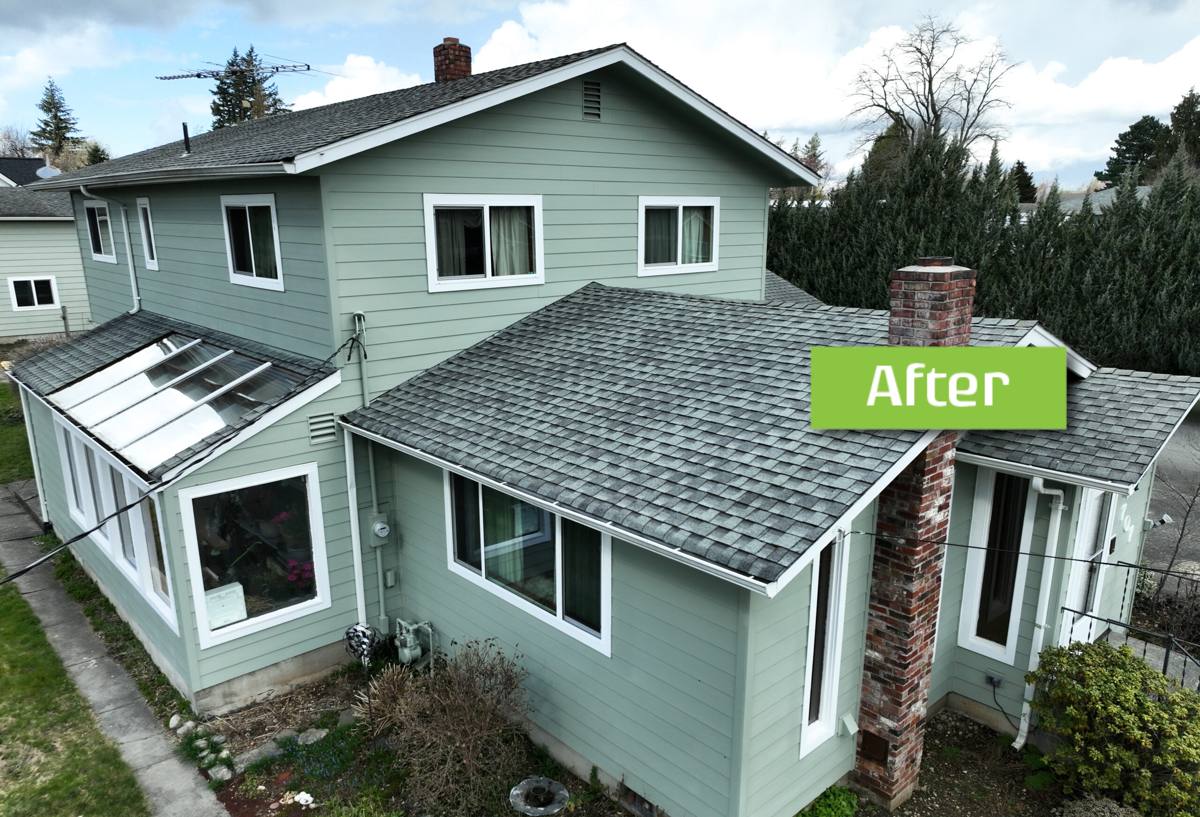
The Damage Patterns We See Most in This Neighborhood
Wind-Driven Rain Intrusion
Florida rain rarely falls straight down during a real storm — it comes in sideways, and Sunset Point's proximity to open water means gusts here can push rain up under shingle edges, through ridge caps, and around flashing that would stay dry in a calmer inland storm. This is one of the most common reasons we get called out: a homeowner sees a stain on the ceiling after a storm, but the roof "looks fine" from the ground. The damage is almost always at a transition point — a valley, a wall flashing, a vent boot — not out in the open field of the roof.
UV and Heat Cycling
Clearwater gets strong, direct sun essentially all year. Roofing materials expand in the afternoon heat and contract overnight, and that constant cycling dries out asphalt shingles, breaks down sealant beads, and makes underlayment brittle faster than manufacturers' base ratings assume. A roof that's rated for 20-25 years of "average" US sun exposure often shows UV-related wear noticeably earlier in a spot like this.
Salt Air Corrosion
This is the piece that catches people off guard. Exposed metal — nail heads, flashing, drip edge, vent stacks, even some fastener systems on tile roofs — corrodes faster this close to the bay. Once a fastener starts to go, it loses grip strength, and that's exactly the kind of failure that turns a stiff breeze into a lost shingle or a lifted tile edge.
What Counts as a Correct Repair (Not Just a Patch)
A lot of roof "repairs" amount to caulking over a visible crack or sliding a shingle back into place. That buys a little time, but it doesn't address why the failure happened, and on a Sunset Point roof it usually comes back — often worse — within a season or two. A repair we consider done right involves:
- Identifying the actual entry point of water, which is frequently several feet from where the interior stain shows up
- Checking the underlayment and decking around the damaged area for hidden moisture or soft spots, not just replacing the surface material
- Matching flashing and fastener materials to what's already corrosion-resistant, rather than using whatever's on the truck
- Re-sealing and re-securing adjacent material that's showing early wear, so the same storm doesn't open a new leak six inches away
- Confirming the repair holds up under the same wind-driven rain conditions that likely caused the original damage
Skipping any of these steps is how homeowners end up paying for the same repair twice.
Our Roof Repair Process
- Inspection. We get on or above the roof and walk the full surface, not just the area you flagged. In a coastal-adjacent neighborhood like Sunset Point, a leak in one spot is a reasonable excuse to check flashing and fasteners everywhere, since they're all aging under the same conditions.
- Diagnosis and explanation. We tell you what's actually failing and why — wind lift, sealant failure, corrosion, flashing gap, cracked tile, whatever it is — before any work starts. No guessing games and no repair recommended without a clear reason behind it.
- Written scope and honest pricing. You get a clear description of what's being repaired and roughly what it involves before we start, not a surprise invoice after.
- The repair itself. Matched materials where possible, corrosion-resistant fasteners and flashing appropriate for a near-coastal property, and proper sealing at every transition point we touch.
- Cleanup and a final check. We don't consider the job finished until the repaired area is watertight and the surrounding roof is left in the same condition we found it, minus the problem.
Repair or Replace? How We Help You Decide
Not every damaged roof needs a full replacement, and not every roof is a good candidate for another repair. The honest answer depends on the roof's age, how many prior repairs it's had, and how widespread the damage is.
| Factor | Repair Usually Makes Sense | Replacement Usually Makes Sense |
|---|---|---|
| Roof age | Under roughly 12-15 years, material still has useful life | Nearing or past the material's typical service life for this climate |
| Damage extent | Isolated — one leak, one section, one storm event | Multiple leak points, widespread granule loss, or repeated repairs in the same areas |
| Underlying decking | Dry, solid, no rot found during inspection | Soft spots, rot, or repeated moisture intrusion found under the surface |
| Prior repair history | First or second repair on the roof | Third-plus repair, or patches from more than one previous contractor |
| Insurance/storm damage | Localized wind or debris damage from a single event | Significant storm damage across large sections, especially with decking exposure |
We'll always tell you honestly if a repair is likely a short-term fix on an aging roof. It's your call to make, but you should make it with real information, not a sales pitch either direction.
Materials We Recommend for This Climate
Whatever roofing system a Sunset Point home has, the repair materials matter as much as the workmanship. Standard asphalt shingles, architectural shingles, and tile all show up in this neighborhood, and each has different repair considerations near the water:
- Architectural asphalt shingles hold up well here when installed with proper wind-rated fastening and quality underlayment, since they resist wind uplift better than older three-tab styles.
- Tile roofing is durable against UV and salt air but repairs require careful handling — cracked or slipped tiles need the right fastener system and underlayment repair underneath, not just a replacement tile set on top.
- Flashing and metal components should be corrosion-resistant grade given the salt air exposure. We don't use standard-grade fasteners on repairs this close to the bay — it's a maintenance and longevity trade-off we're not willing to make on a homeowner's behalf, since the cost difference is small compared to redoing the work in a few years.
- Sealants matter more here than most homeowners realize. UV-stable, flexible sealant at flashing and penetration points holds up to the heat cycling described earlier; standard-grade sealant dries and cracks noticeably faster in this sun.
Why Hiring a Crew That Already Works Sunset Point Matters
A contractor who works this neighborhood regularly already knows which roof ages and construction types are common here, what the typical wind and rain exposure does to a roof this close to the water, and which repair shortcuts don't hold up under real Pinellas County storm conditions. That's not a small thing. A crew unfamiliar with near-coastal Clearwater conditions might use standard-grade materials that are fine forty miles inland but undersized for what this neighborhood's roofs actually face.
Local familiarity also means faster, more accurate diagnosis. When we already understand the common failure points for Sunset Point's roof types and ages, we spend less time guessing and more time fixing the actual problem — which keeps the job efficient and keeps your cost focused on the repair itself, not extended diagnostic time.
Signs You Need a Roof Repair Now, Not Later
Roof problems rarely announce themselves clearly. Here's what to watch for between full inspections:
- Any ceiling stain, even a small one, especially after a storm with strong wind
- Shingles that look curled, cracked, or are missing granules in patches
- Tiles that appear slipped, cracked, or out of alignment with their neighbors
- Visible gaps or lifted edges at flashing around chimneys, walls, or vent penetrations
- Rust streaks running down from metal flashing or fasteners
- Sagging in any section of the roofline, which can indicate decking issues underneath
- Granules collecting in gutters or at downspout outlets
- Daylight visible through the roof deck from inside the attic
Catching any of these early is almost always cheaper and simpler than waiting for a leak to show up inside the house.
Simple Roof Maintenance Between Repairs
A repair holds up longer when the rest of the roof is maintained in between. Keep gutters and downspouts clear so water doesn't back up under the roof edge during heavy rain. Trim back overhanging branches that can drop debris or scrape roofing material during wind events. After any significant storm, a quick visual check from the ground — or a call to have it looked at professionally — catches small issues before the next round of Gulf humidity and UV exposure makes them worse. None of this replaces a professional inspection, but it reduces how often you need one urgently.
If you're noticing any of the signs above, or it's simply been a while since your Sunset Point roof was looked at, we're happy to take a look and give you a straight answer about what it needs. Reach out for a free, no-pressure estimate using the form below.