 Clearwater Siding
 Asphalt Shingle Roofing Built for Seminole's Climate
Seminole sits close enough to the Gulf that homes here take on a specific combination of punishment: salt-laden air moving inland, intense UV exposure nearly every day of the year, sudden wind-driven downpours, and the real possibility of hurricane-force gusts during storm season. An asphalt shingle roof installed correctly for this environment looks a lot like one installed anywhere else in the country from the ground — but the details underneath the shingles, and the fasteners holding them down, are not the same. That difference is where roofs either hold up for their full service life or start failing years ahead of schedule.
We work on homes throughout the Clearwater and Pinellas County area, including Seminole, and we see the same failure patterns repeat: shingles that lost granules early from UV breakdown, nail pops from thermal cycling, soft decking from slow leaks that went unnoticed for a season or two, and edge/ridge damage after wind events because the original installation didn't account for local wind exposure. A roof built with Seminole's conditions in mind avoids most of that.
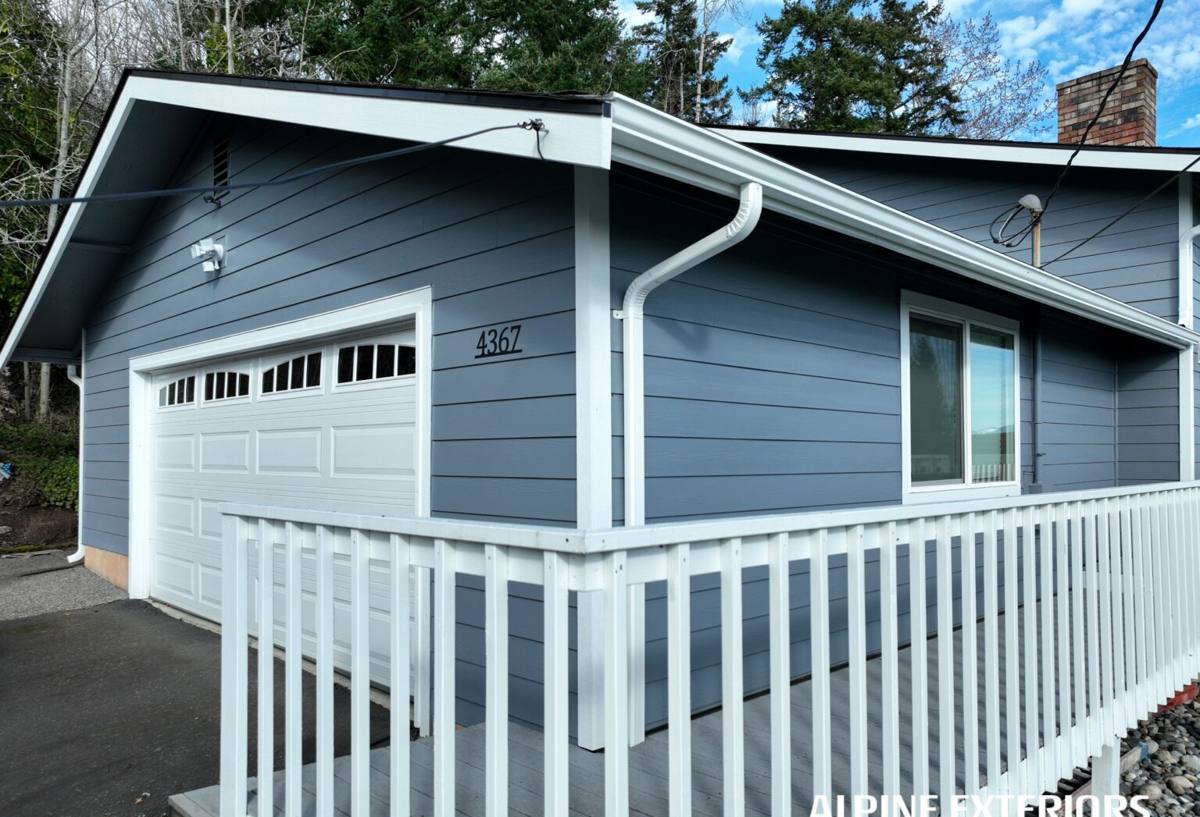
What Seminole Homes Actually Need From a Shingle Roof
Wind Resistance Where It Counts
Wind doesn't damage a shingle roof uniformly. Edges, rakes, and ridges take the worst of it because wind gets underneath the shingle line and pries upward. A roof built for this area needs proper starter strip at all edges, correctly lapped ridge caps, and a nailing pattern that matches the shingle manufacturer's high-wind installation instructions — not just the standard pattern. Florida Building Code sets minimum requirements for wind-rated installation in coastal counties, and Pinellas County enforces that at permit and inspection. We install to meet or exceed that, not just to pass a quick visual check.
UV and Heat Tolerance
Shingles are engineered with UV-resistant granules, but constant, near year-round sun exposure still ages asphalt faster here than in most of the country. Attic ventilation plays a bigger role in shingle lifespan than most homeowners realize — a poorly ventilated attic traps heat against the underside of the roof deck, which accelerates shingle aging from below at the same time the sun is aging it from above. Getting intake and exhaust ventilation balanced is part of doing this job right, not an upsell.
Moisture and Salt Air
Salt air corrodes exposed metal faster than inland environments do. Flashing, drip edge, nails, and any exposed fasteners need to be rated for coastal exposure — otherwise they corrode, lose their grip, or streak and stain the roof well before the shingles themselves are due for replacement. This is one of the more overlooked details in a shingle roof near the coast, and it's cheap to get right at installation and expensive to fix later.
What a Correct Installation Actually Involves
A shingle roof is only as good as the layers underneath it. On every tear-off, we're looking at:
- Deck condition — soft, delaminated, or water-stained decking gets replaced, not covered over
- Underlayment — synthetic or felt underlayment rated for the exposure, installed with correct overlap
- Ice-and-water barrier or leak barrier at valleys, eaves, and penetrations (leaks concentrate at these points more than anywhere else on the roof)
- Drip edge at all rakes and eaves, correctly lapped with the underlayment
- Starter strip at eaves and rakes for wind resistance
- Correct nailing pattern and nail count per shingle, matched to the manufacturer's wind-rated instructions
- Flashing at every wall intersection, chimney, skylight, and vent penetration
- Ridge vent or other exhaust ventilation, balanced against intake at the soffits
Skipping or shortcutting any one of these doesn't show up as a problem on day one. It shows up two, five, or ten years later as a leak, a lifted shingle, or premature granule loss — and by then it's harder to trace back to the install.
Repair, Recover, or Replace: How We Decide
Not every roof problem in Seminole needs a full replacement. We look at three things before recommending anything:
Age and Remaining Life
Asphalt shingle roofs in this climate typically run shorter on useful life than the same product would inland, due to the UV and heat load described above. If a roof is already well into its expected lifespan and showing granule loss or brittleness, patching a leak is usually a short-term fix on a roof that needs full replacement soon anyway.
Extent of Damage
Isolated wind damage — a section of lifted or missing shingles after a storm, for example — can often be repaired if the surrounding shingles are still in good condition and a color/style match is available. Widespread granule loss, multiple soft spots in the decking, or damage in more than one area of the roof usually points toward replacement being the more honest recommendation.
Decking Condition
This is the one that matters most and is hardest to see from the ground. Once we're on the roof or in the attic, soft or water-stained decking changes the scope of the job regardless of how the shingles look. We'll always tell you what we find before doing anything about it.
Cost Factors for Shingle Roofing in Seminole
Every roof is priced individually after an on-site look — we're not going to quote a number without seeing the roof — but these are the factors that actually move the price:
| Factor | Why It Matters |
|---|---|
| Roof size and pitch | Steeper roofs take longer and require more safety setup, which affects labor |
| Number of layers being removed | Tear-off of multiple existing layers costs more than a single-layer tear-off |
| Decking condition | Plywood replacement is priced by the sheet once damage is found |
| Shingle tier chosen | Architectural and impact-rated shingles cost more than basic 3-tab but last longer here |
| Ventilation upgrades | Adding or correcting ridge/soffit ventilation is often worth doing during a re-roof |
| Roof complexity | Valleys, dormers, chimneys, and multiple penetrations add flashing labor |
As a general guide, a straightforward asphalt shingle re-roof on an average Seminole-area home tends to fall in the range of several thousand to the low-to-mid five figures, with steep, complex, or storm-damaged roofs running higher. We'll give you an itemized number after inspecting the roof in person, not a phone estimate.
Shingle Options and Why We Recommend What We Do
Standard 3-tab shingles are the lowest-cost option but generally carry shorter wind-resistance ratings, which matters more here than in a low-wind-exposure region. Architectural (dimensional) shingles cost more up front but typically carry stronger wind warranties and a longer service life, which usually makes them the better value in a coastal county over the life of the roof. Impact-rated (Class 4) shingles are worth discussing for homeowners who want maximum hail and debris resistance and who may qualify for an insurance premium discount as a result — we can walk through whether that trade-off makes sense for your specific roof and insurance policy.
We install to manufacturer specifications because that's what keeps the material warranty valid — a shingle installed outside the manufacturer's instructions can void coverage even if the shingle itself is a good product. That's a warranty and workmanship standard we hold ourselves to, not a reflection on any particular brand.
Our Process for a Seminole Shingle Roof
- On-site inspection — we walk the roof (or use elevated photography where a walk-on isn't safe or appropriate) and check the attic for ventilation and moisture signs
- Honest assessment — repair, partial replacement, or full re-roof, explained in plain terms with what we actually found
- Written estimate — itemized scope of work, materials, and price, with no pressure to decide on the spot
- Permit and scheduling — pulled through Pinellas County as required, scheduled around weather
- Tear-off and deck inspection — old material removed, decking checked and repaired before anything new goes down
- Installation — underlayment, flashing, starter strip, shingles, and ventilation installed to manufacturer and code wind-rating specs
- Final walkthrough — we review the finished roof with you before considering the job done
Why Hiring a Crew That Already Works Seminole Matters
A roofing crew that regularly works Seminole and the surrounding Clearwater area already knows the wind exposure category the county requires, knows what Pinellas County's permitting and inspection process looks for, and has already made (and corrected) the mistakes that come with coastal installations elsewhere. That familiarity shows up in small decisions — fastener choice, flashing detail, ventilation balance — that a crew unfamiliar with this specific coastal environment might not think twice about. It also means faster response if you ever need a warranty check or storm-damage assessment, since we're not traveling in from out of the area to do it.
Signs Your Seminole Roof Needs a Look
- Granules collecting in gutters or at the base of downspouts
- Shingles that look curled, cracked, or lifted at the edges
- Visible daylight or water stains in the attic
- Missing shingles or exposed nail heads after a storm
- A roof approaching or past 15-20 years old with no recent inspection
- Rising energy bills that might point to failing attic ventilation
If your roof shows any of these signs, or it's simply been a while since anyone looked at it up close, we're happy to come take a look. We offer free, no-pressure estimates for Seminole homeowners — you'll get an honest read on what your roof actually needs, with no obligation to move forward. Use the form below to get started.