 Clearwater Siding
 Composite Decking Built for Belleair Bluffs' Waterfront Conditions
Belleair Bluffs sits on a bluff along Clearwater Harbor, which gives homes here some of the best water views in Pinellas County — and some of the toughest conditions for an outdoor deck. Salt-laden air blows off the harbor and the Gulf year-round, the sun is intense enough to break down lesser materials in a few seasons, and wind-driven rain during storms finds its way into every gap a deck wasn't built to resist. A deck that looks right for the first year but fails in year three isn't a good deal at any price.
We build and repair composite decks for homeowners throughout Belleair Bluffs and the surrounding Clearwater area, and this page walks through what actually matters when you're putting a deck on a home in this specific environment — not generic decking advice, but what we've learned works here.
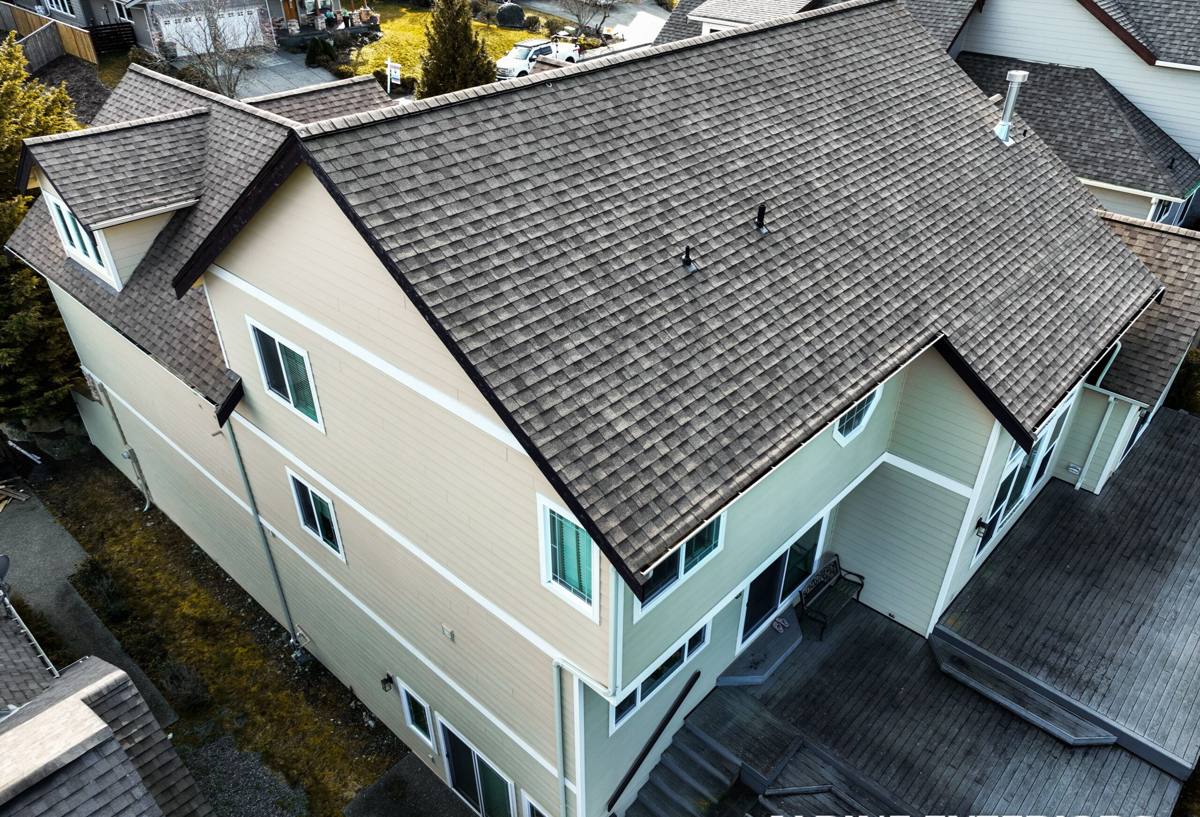
What This Climate Actually Does to a Deck
Four things drive almost every deck problem we see in this part of Pinellas County:
- Salt air corrosion — homes near the harbor and Gulf get a steady coating of salt-laden moisture that accelerates corrosion on any fastener, bracket, or hardware that isn't rated for it.
- Intense, near-constant UV exposure — Florida sun is stronger and more consistent than almost anywhere else in the country, which fades color and degrades plastics and resins faster than manufacturers' national warranty language sometimes assumes.
- Wind-driven rain — storms here rarely come straight down; rain gets pushed sideways under railings, around ledger boards, and into any gap in flashing or fastening.
- Hurricane-force wind loads — railings, posts, and the connection between the deck and the house all need to be engineered for real wind events, not just everyday use.
None of these are reasons to avoid composite decking — composite is, in most cases, the better long-term choice for this exact climate compared to wood. But composite still has to be installed correctly, with the right hardware and structural detailing, or these same climate factors will find the weak points.
What a Correct Composite Deck Installation Involves
The Substructure Matters More Than the Boards
Homeowners often focus on the composite board brand and color, but the framing underneath is what determines whether the deck lasts. In a salt-air environment, we build on pressure-treated or composite/PVC substructure with corrosion-resistant or coated fasteners throughout — not standard interior-grade hardware that will start rusting within a year or two of harbor air exposure.
Fasteners and Hardware
This is where a lot of decks quietly fail. Standard galvanized screws and brackets can hold up fine inland but corrode faster near the water. We use stainless steel or coated fasteners rated for coastal exposure, along with hidden fastening systems designed for the specific composite board being installed, so the deck surface stays flat and the connections stay tight.
Ventilation and Drainage
Composite decking doesn't rot the way wood does, but trapped moisture underneath a deck still causes problems — mildew, odor, and premature wear on the substructure. Proper joist spacing, gapping between boards, and drainage away from the house foundation are part of a correct install, not an upsell.
Ledger Board and House Connection
Where the deck attaches to the house is the single most important structural point on the project, especially under hurricane wind loads. Flashing has to be installed so wind-driven rain can't work its way behind the ledger board and into the home's wall assembly — a detail that's invisible once the deck is finished but is the difference between a deck that holds up and one that causes a moisture problem inside the house years later.
Choosing the Right Composite Product
Not all composite decking is built the same way, and the differences matter more in a coastal climate than they do further inland. The table below covers the general categories homeowners choose between.
| Decking Type | How It Handles Salt Air & UV | Maintenance | General Cost Range |
|---|---|---|---|
| Uncapped composite | More prone to fading and moisture absorption over time | Periodic cleaning and sealing recommended | Lower upfront cost |
| Capped composite | Protective outer shell resists fading, staining, and moisture better | Occasional washing, no sealing | Mid-to-upper range |
| PVC decking | Fully synthetic, strong resistance to moisture and salt exposure | Low — occasional washing | Upper range |
| Pressure-treated wood | Most vulnerable to salt air, sun, and moisture cycling | Regular sealing/staining required | Lowest upfront cost |
We generally recommend capped composite or PVC for homes in Belleair Bluffs given the direct salt exposure, but the right call depends on your budget, how close the home is to the water, and how the deck will be used. We'll walk through the honest trade-offs for your specific property rather than pushing one product line.
Our Process for a Belleair Bluffs Composite Deck
- On-site assessment — we look at the existing structure (if replacing a deck), the home's ledger connection, drainage, sun and wind exposure, and how the space will actually be used.
- Honest product walkthrough — we go over composite and PVC options, colors, and hardware choices with real trade-offs, not a sales script.
- Written estimate — clear scope, materials, and pricing before any work starts.
- Permitting — decks in Pinellas County generally require a permit, and homes near the water may have additional setback or flood-zone considerations; we handle this so you don't have to chase it down yourself.
- Structural work first — substructure, framing, ledger flashing, and fastener selection get done right before a single composite board goes down.
- Installation — boards, hidden fastening, railings, and any stairs or lighting are installed to manufacturer spec and local wind-load requirements.
- Final walkthrough — we check the finished deck with you before considering the job done.
Cost Factors Specific to This Project
Every deck quote is different, but these are the factors that most often move the price up or down for a Belleair Bluffs project:
| Factor | Why It Affects Cost |
|---|---|
| Deck size and shape | More square footage and more corners/cuts increase material and labor |
| Height off the ground | Elevated decks need more substructure, railings, and sometimes stairs |
| Composite product tier | Capped composite and PVC cost more upfront than uncapped composite or wood |
| Existing structure condition | Replacing rotted or corroded framing adds cost but shouldn't be skipped |
| Railing and hardware choice | Coastal-rated hardware and certain railing styles cost more than standard options |
| Permitting and inspections | Required for most deck work in Pinellas County; part of a proper build, not an extra |
We won't quote a number without seeing the property, but we can talk through rough ranges on a first visit so there are no surprises later.
Maintaining Your Deck in a Salt-Air Environment
Composite decking is low-maintenance compared to wood, but "low-maintenance" doesn't mean "no maintenance," especially this close to the harbor. A simple seasonal routine keeps a composite deck looking and performing the way it should:
- Rinse the deck surface periodically to remove salt residue, especially after storms or high-wind days
- Sweep debris out of gaps between boards so moisture and organic material don't sit and collect
- Check railings, posts, and fastener points once or twice a year for any early signs of corrosion
- Keep gutters and downspouts near the deck clear so rainwater isn't dumping directly onto or under the structure
- Address any soft spots, movement, or hardware issues promptly rather than waiting for them to worsen
Why Hiring a Crew That Already Works Belleair Bluffs Matters
A deck built to a generic national spec sheet isn't necessarily built for a harbor-front lot in Pinellas County. A crew that regularly works in Belleair Bluffs and the surrounding Clearwater area already knows to spec coastal-rated fasteners by default, to think through wind-driven rain at every flashing point, and to plan for salt air fading and corrosion instead of discovering it as a callback two years later. That local familiarity shows up in details you won't notice until they either hold up — or don't.
It also means someone who understands the general permitting and inspection expectations for decks in this part of the county, and who's available locally if a warranty question or adjustment ever comes up, rather than a crew that did one job in the area and moved on.
Signs It's Time to Replace or Upgrade Your Deck
If your current deck is wood, or an older composite product, a few warning signs suggest it's worth a professional look rather than waiting:
- Visible fading, chalking, or surface degradation from sun exposure
- Rust staining around fasteners or hardware
- Soft, spongy, or springy spots when you walk across the deck
- Gaps or movement where the deck meets the house
- Railings that feel loose or flex more than they used to
Catching these early is almost always cheaper than dealing with a structural failure later, especially heading into storm season.
If you're planning a new composite deck or replacing an aging one in Belleair Bluffs, we're happy to take a look and give you a straightforward, no-pressure estimate — just fill out the form below and we'll set up a time to walk the property with you.