 Clearwater Siding
 Decks in Belleair Bluffs Take a Real Beating
Belleair Bluffs sits on one of the few elevated stretches of shoreline in Pinellas County, looking out over Clearwater Harbor and the Intracoastal Waterway. That elevation and water exposure make for a great view, but it also means decks here catch more of everything: more direct sun, more wind off the water, and more salt in the air than a deck a few miles inland would ever see. If you own a home in Belleair Bluffs, your deck is working harder than the average deck in Florida, and it shows up in the wood, the fasteners, and the framing years before most homeowners expect it.
We replace decks throughout the Clearwater and Pinellas County area, and Belleair Bluffs jobs have a consistent pattern: structural components failing quietly underneath a deck surface that still looks okay from a distance. That gap between "looks fine" and "is actually fine" is where deck replacement decisions get made — and where they sometimes get made too late.
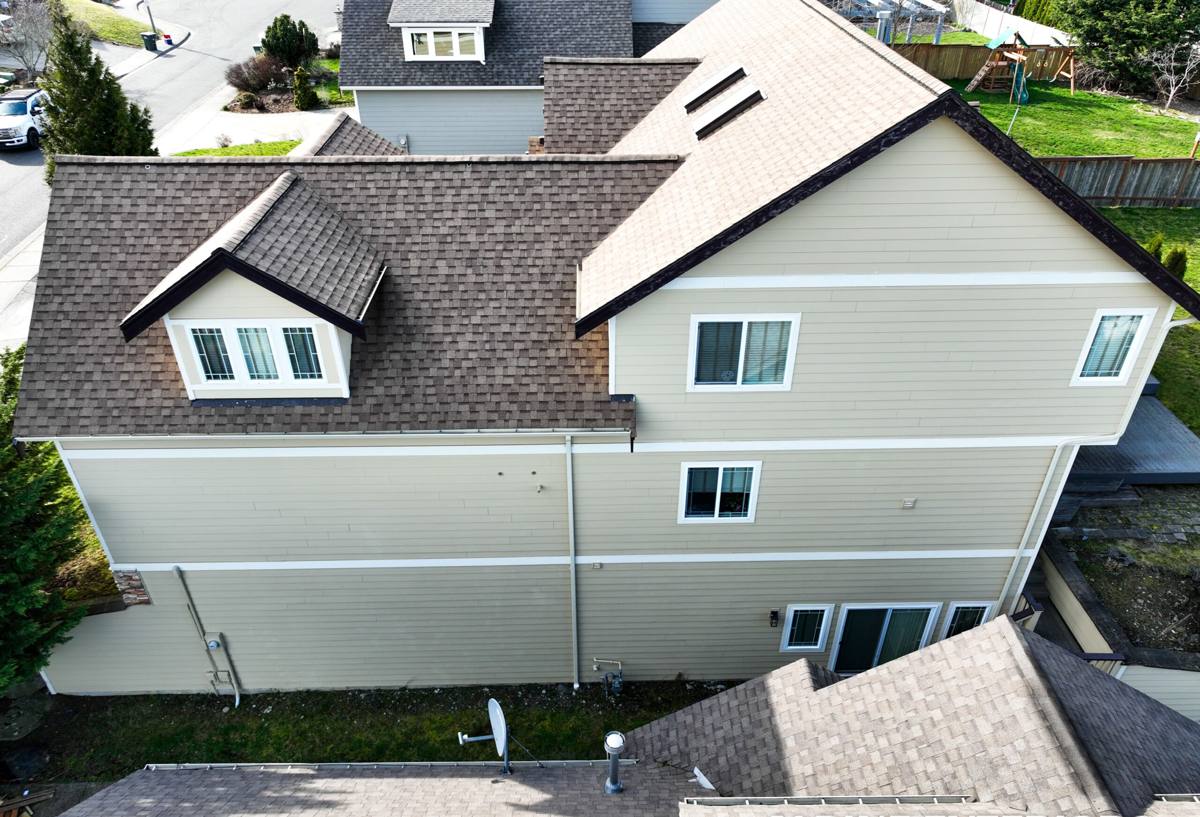
Why This Climate Is Hard on Decks
Four things drive deck failure in this part of Florida, and Belleair Bluffs gets a concentrated dose of all four:
- Hurricane-force wind: Even in years without a direct hurricane hit, tropical systems and seasonal storms put lateral and uplift loads on deck framing that inland structures rarely see. Ledger attachment, joist hangers, and post connections either hold up to that load or they don't.
- Intense, year-round UV: Florida sun breaks down the lignin in wood fibers and degrades the UV inhibitors in composite decking faster than in most of the country. Surfaces that would last a decade up north can gray, splinter, or chalk here in half that time without the right products and finish schedule.
- Wind-driven rain: Storms here don't just fall straight down — wind pushes rain sideways and up underneath deck boards, railings, and ledger connections. Water finds gaps that a calm, straight-down rain never would, which is why flashing and drainage details matter more here than in drier climates.
- Salt air: Being close to the harbor means airborne salt settles on every exposed surface. Salt accelerates corrosion in fasteners, bolts, and metal connectors, and it's one of the top reasons we see hardware failing well before the decking boards themselves are shot.
None of this means a deck can't last in Belleair Bluffs — it means the deck has to be built correctly for these conditions in the first place, with materials and hardware chosen for this specific environment rather than a generic build.
Signs Your Deck Has Reached the End of Its Life
Not every tired-looking deck needs full replacement — some just need repair or refinishing. But there's a point where patching individual boards stops making sense and a full rebuild is the honest recommendation. Watch for:
- Soft, spongy, or spring board decking when you walk on it, especially near the ledger board or stairs
- Visible rot, splitting, or fungal discoloration at joist ends, posts, or the ledger where the deck meets the house
- Rusted, corroded, or missing fasteners and connector hardware
- A ledger board pulling away from the house, or gaps opening up at that connection
- Railings or posts that wobble or flex under normal hand pressure
- Multiple rounds of board-by-board repairs over the past few years with no end in sight
If more than one of these shows up at once, it's usually a sign the framing underneath — not just the surface — has aged out. Surface boards are easy to see; framing failure is not, and that's exactly why an honest inspection before any repair quote matters.
Choosing the Right Decking Material for This Climate
Pressure-Treated Wood
Pressure-treated pine is still the most affordable decking option and performs well when it's properly fastened, flashed, and maintained on a real schedule — sealing or staining roughly every one to two years in this sun and humidity. Its main trade-off in a salt-air, high-UV environment is maintenance: skip a season or two of sealing and the wood starts absorbing moisture and UV damage that's harder to reverse.
Composite Decking
Composite boards trade a higher upfront cost for far less maintenance — no staining or sealing, and strong resistance to splintering, rot, and fading when a quality product is used. In coastal air, composite's biggest advantage is that it doesn't absorb moisture the way wood does, which matters when wind-driven rain is a regular occurrence. The trade-off is heat underfoot on direct-sun decks and a higher material cost.
Fasteners and Hardware
Whichever decking material you choose, the hardware holding it together matters as much as the boards themselves in a salt-air environment. We use fasteners and structural connectors rated for coastal or marine-grade exposure, not standard interior-grade hardware, because standard hardware is where we most often see premature corrosion failure on decks near the harbor.
| Factor | Pressure-Treated Wood | Composite Decking |
|---|---|---|
| Upfront cost | Lower | Higher |
| Maintenance | Sealing/staining every 1-2 years | Occasional cleaning, no sealing |
| Salt air resistance | Good if maintained on schedule | Strong, resists moisture absorption |
| UV/fade resistance | Fades and grays without upkeep | Better UV-stable finish, varies by product |
| Feel underfoot in direct sun | Warms less than composite | Can run hotter in full sun |
| Typical lifespan here with proper care | 10-15 years | 20-30 years |
What a Correct Deck Replacement Actually Involves
Ledger Board Attachment
The ledger board — where the deck attaches to the house — is the single most important structural connection on most decks, and it's the connection most likely to be done wrong on older or budget builds. It needs proper flashing to keep water from getting behind it and into the house structure, and it needs to be bolted, not just nailed, into solid framing.
Framing, Joists, and Connectors
Joist hangers, post bases, and structural screws all need to be corrosion-resistant hardware rated for the fastener's actual exposure — pressure-treated lumber is corrosive to standard steel, and salt air compounds that. We size joist spacing and beam spans to current code and to Florida's wind requirements, not to whatever the old deck happened to use.
Footings and Posts
Post footings need to go below grade to the required depth for this area's soil and frost-free conditions, and posts need proper post bases that keep the wood off the concrete and out of standing water. A deck is only as stable as what's underground holding it up.
Permitting and Wind Load
Deck replacement in Pinellas County requires a permit and inspection, and for good reason — the county's wind load requirements exist because of exactly the storm conditions Belleair Bluffs regularly sees. Skipping permitting on a deck rebuild isn't just a paperwork risk; it means no third-party check on whether the structure can actually handle a real storm.
Our Deck Replacement Process
- On-site assessment: We inspect the existing deck's framing, ledger connection, footings, and hardware — not just the surface boards — to determine what's actually driving the need for replacement.
- Honest scope and estimate: You get a clear, no-pressure estimate that explains what needs to be replaced and why, including material options suited to this climate.
- Permitting: We handle the permit application and coordinate required inspections so the finished deck is documented and code-compliant.
- Demolition and disposal: The old deck is removed and hauled away, with attention to protecting landscaping and the area around the house.
- Rebuild: Framing, ledger attachment, footings, decking, and railings are installed to current code and with coastal-rated hardware throughout.
- Final inspection and walkthrough: We review the finished deck with you, cover any care recommendations specific to your chosen material, and close out the permit inspection.
Why Hiring a Crew That Already Works Belleair Bluffs Matters
Deck replacement isn't a one-size-fits-all job, and a crew that mostly works inland or out of state doesn't always account for what coastal Pinellas County conditions demand. A contractor who regularly works in Belleair Bluffs and the surrounding Clearwater area already knows the local permitting process with the county, understands the wind load expectations for this zone, and specifies hardware and fasteners built for salt air as a default — not as an upsell.
There's also a practical side to hiring local: a nearby crew can respond quickly if a storm exposes an issue, can source materials without long delays, and has an ongoing reputation in the community to protect — which tends to show up in the quality of the work.
Protecting Your New Deck
A correctly built deck still needs basic upkeep to get its full lifespan out of this climate. A simple annual routine goes a long way:
- Rinse off salt residue and debris periodically, especially after storms
- Inspect fasteners and connectors once a year for early signs of corrosion
- Check the ledger board area for gaps, staining, or soft wood
- Reseal or stain pressure-treated wood decking every one to two years
- Clean composite decking per manufacturer guidance to prevent surface buildup
- Trim back vegetation that traps moisture against posts or framing
- Address loose boards or railings promptly rather than waiting for the next inspection
What Affects the Cost of a Deck Replacement
Every deck is different, so exact numbers depend on your specific project, but the main cost drivers are consistent across jobs in this area:
| Factor | Why It Affects Cost |
|---|---|
| Deck size and shape | More square footage and complex layouts (multiple levels, angles) mean more material and labor |
| Decking material | Composite costs more upfront than pressure-treated wood but needs less long-term maintenance |
| Framing condition | If footings or major framing need full replacement rather than reuse, scope and cost increase |
| Height and stairs | Elevated decks and stair structures add framing, railings, and code requirements |
| Railing style | Wood, composite, aluminum, and cable railing systems vary widely in material cost |
| Permitting and inspections | Required for code-compliant work in Pinellas County, built into the project timeline and cost |
Rather than guessing at a number, the most useful step is a walkthrough of your specific deck so any estimate reflects what your home actually needs — not a generic template.
If your deck in Belleair Bluffs is showing its age or you're planning ahead of the next storm season, we're happy to take a look and give you a straightforward, no-pressure estimate. Use the form below to request one.