 Clearwater Siding
 Metal Roofing in Belleair: Built for What This Coastline Throws at It
Belleair sits close to open water, and that proximity shapes everything about how a roof should be built here. Homes along this stretch of Pinellas County deal with a combination few other markets face at once: sustained coastal winds that pick up ahead of and during tropical systems, sun exposure strong enough to break down lesser roofing materials within a decade, wind-driven rain that finds every weak seam, and a steady dose of salt air that speeds up corrosion on anything not properly rated for coastal service. A metal roof, installed correctly, handles all four of those conditions better than most other roofing systems available. Installed carelessly, it fails in exactly the ways homeowners fear — leaks at fastener penetrations, panels that lift in high wind, and finishes that chalk and corrode years ahead of schedule.
That's the distinction this page is really about. Metal roofing is not a single product with a single outcome — it's a system made up of panel type, underlayment, fastening pattern, flashing detail, and metal compatibility. Get those details right for a Belleair property and you end up with a roof that shrugs off decades of Gulf Coast weather. Get them wrong and you've got an expensive problem hiding under an attractive surface.
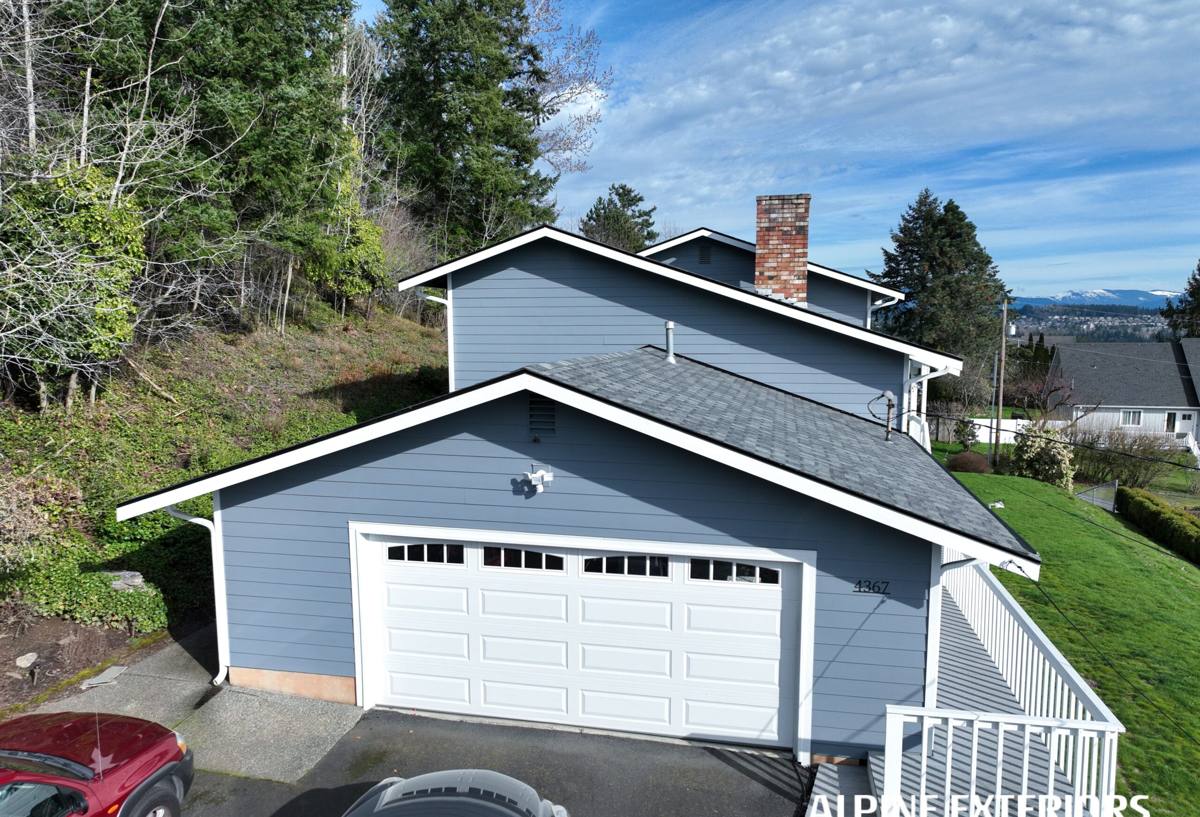
Choosing the Right Metal Roofing System for a Belleair Home
Not every metal roof profile is a good fit for every property. Waterfront and near-waterfront homes, older construction with different roof pitches, and newer builds with clean modern lines all call for different decisions about panel type and finish. The table below outlines the main options we install and repair in this area.
| System | Best Suited For | Wind Performance | Maintenance | Typical Lifespan |
|---|---|---|---|---|
| Standing seam (concealed fastener) | Waterfront homes, coastal-front exposure, modern or high-end aesthetics | Excellent — clips and seams are engineered for uplift resistance with no exposed penetrations | Low — few points where water or corrosion can enter | 40+ years with correct install |
| Metal shingles / shake-profile panels | Homes wanting a traditional or dimensional look without asphalt's shorter lifespan | Very good, dependent on fastening pattern and interlocking design | Low to moderate | 30–50 years |
| Exposed-fastener panels | Outbuildings, garages, budget-conscious re-roofs | Good, but fastener washers are a maintenance point over time | Moderate — fasteners should be inspected periodically | 20–30 years, shorter if fasteners aren't monitored |
For most primary residences in Belleair, we lean toward standing seam because the concealed fastening system removes the biggest long-term weak point — exposed screws and washers that eventually need attention. For secondary structures or homeowners working within a tighter budget, exposed-fastener panels can still be the right call, as long as everyone understands the maintenance trade-off up front.
Steel vs. Aluminum
Both are viable in this climate when properly coated, but they behave differently near salt air. Aluminum doesn't rust and holds up well close to the water without needing a protective coating to prevent corrosion at the base metal. Coated steel is stiffer, often more affordable, and performs well too — but the coating and any cut edges need to be handled correctly during installation, since exposed raw steel edges are where corrosion starts first. We'll walk through which makes more sense for your specific site and how close it sits to open water.
What a Correct Metal Roof Installation Involves
The panels themselves get most of the attention, but a metal roof's performance in a wind event or a decade of sun is determined mostly by what happens underneath and around them. A correct installation in this area includes:
- Full deck inspection and repair before anything goes down — metal panels won't fix a soft or damaged substrate
- High-temperature, self-adhered underlayment rated for the sun exposure and heat this roof will see
- Panel and clip spacing engineered to the wind uplift rating required for the property, not a generic default
- Fasteners and flashing metal matched to the panel metal, so two dissimilar metals aren't left to corrode against each other
- Properly detailed flashing at every valley, wall transition, chimney, and roof penetration
- Ridge and eave ventilation that keeps the attic space working the way it was designed to
- A clean job site, including a magnetic sweep for stray fasteners and clippings
Skipping any one of these doesn't necessarily show up on day one. It shows up two, five, or ten years later — as a leak at a poorly flashed valley, a panel edge that's started to lift, or corrosion where the wrong fastener met the wrong metal. We treat every one of these steps as non-negotiable, not optional upgrades.
Wind Resistance and Florida Building Code Compliance
Pinellas County enforces the Florida Building Code, and roofing materials installed here need to carry Florida product approval documentation showing they meet the wind uplift resistance required for the site's exposure category. That requirement isn't paperwork for its own sake — it's the difference between a roof that stays intact through a tropical storm or hurricane-force wind event and one that doesn't. Metal roofing, when specified and installed to the correct wind rating, is among the strongest options available for coastal Florida property. The panel profile, the clip or fastener spacing, and the underlayment all factor into that rating, which is part of why a generic, off-the-shelf installation approach isn't good enough this close to the water.
We pull the required permits, and we install to the wind rating your specific property needs based on its location and exposure — not a one-size-fits-all spec.
Salt Air, Corrosion, and Getting the Metal Compatibility Right
Salt air is the quiet threat most homeowners underestimate. It doesn't announce itself with a single storm — it works steadily, and it's especially unforgiving of a common mistake: pairing incompatible metals. When two different metals touch in the presence of moisture (which, in Belleair, is most of the year), galvanic corrosion can eat away at the less noble metal far faster than either one would corrode on its own. That means fasteners, flashing, and trim need to be matched to the panel material, not picked based on what happened to be on the truck.
Good coatings matter too. A quality factory finish resists chalking and fading under the intense, near-constant UV exposure this area gets, and it adds another layer of protection against salt-driven corrosion at the panel surface. Cut edges, wherever panels are trimmed on site, need to be sealed or otherwise protected rather than left bare — that's one of the most common shortcuts that leads to early rust streaking on an otherwise sound roof.
Our Process for a Belleair Metal Roofing Project
Every property is different, but the sequence we follow stays consistent:
- On-site evaluation — we inspect the existing roof, deck condition, and site exposure, and talk through what system fits the home and the budget.
- Written proposal — panel type, metal, finish, and wind-rated fastening approach spelled out plainly, with no vague allowances.
- Permitting — handled by us, to the applicable Florida Building Code requirements for Pinellas County.
- Tear-off and deck repair — any damaged decking is addressed before new material goes down, not covered over.
- Underlayment and flashing installation — the layer that does the real work keeping water out.
- Panel installation — installed to the engineered fastening pattern for the site's wind rating.
- Final walkthrough and cleanup — including a magnetic sweep and a review of the finished work with you.
Maintenance and Knowing When It's Time for a New Roof
Metal roofs need far less upkeep than shingle roofs, but "low maintenance" isn't "no maintenance," especially in a salt-air environment. We recommend periodic visual checks after major storms, keeping gutters and valleys clear of debris, and having fastener condition checked every few years on exposed-fastener systems. Warning signs worth a call include visible rust streaking beyond normal weathering, a fastener or panel that looks lifted, or a soft spot noticed from inside the attic. Caught early, these are usually small fixes. Left alone near the coast, they escalate faster than they would inland.
Why a Crew That Already Works in Belleair Makes a Difference
A roof designed for a wind-uplift rating adequate for a subdivision ten miles inland isn't automatically adequate for a property with open water exposure. Knowing how close a given home sits to the water, how prevailing wind and salt spray tend to hit certain streets harder than others, and what Pinellas County's permitting process actually requires for a metal roof re-cover versus a full tear-off all comes from working this specific area regularly, not from a general roofing background. We also understand that many homes here have architectural character worth preserving, and where a neighborhood or homeowners' association has its own design guidelines, we'll work within them rather than treating the roof as an afterthought to the rest of the property.
If you're weighing a metal roof for your Belleair home — whether it's new construction, a full re-roof, or a repair on an existing metal system — we're happy to take a look and give you a straightforward, no-pressure estimate. Use the form below to get started.