 Clearwater Siding
 Roofing in Belleair: A Different Set of Conditions
Belleair sits on a narrow strip of land between Clearwater Harbor and the Gulf of Mexico, and that location shapes what a roof here has to survive. Homes in this part of Pinellas County take on hurricane-force wind gusts, sustained salt air off the water, and some of the most intense year-round UV exposure in the continental United States. A roof that would hold up fine in a landlocked climate can fail early here if it wasn't built with these specific stresses in mind.
We replace roofs across Belleair and the surrounding Clearwater area regularly, and the pattern is consistent: the roofs that last are the ones installed with the right materials, the right fastening, and attention to the details that generic installers skip. This page covers what a Belleair roof replacement actually involves, what to expect from a correct job, and why local experience matters more here than in most parts of the country.
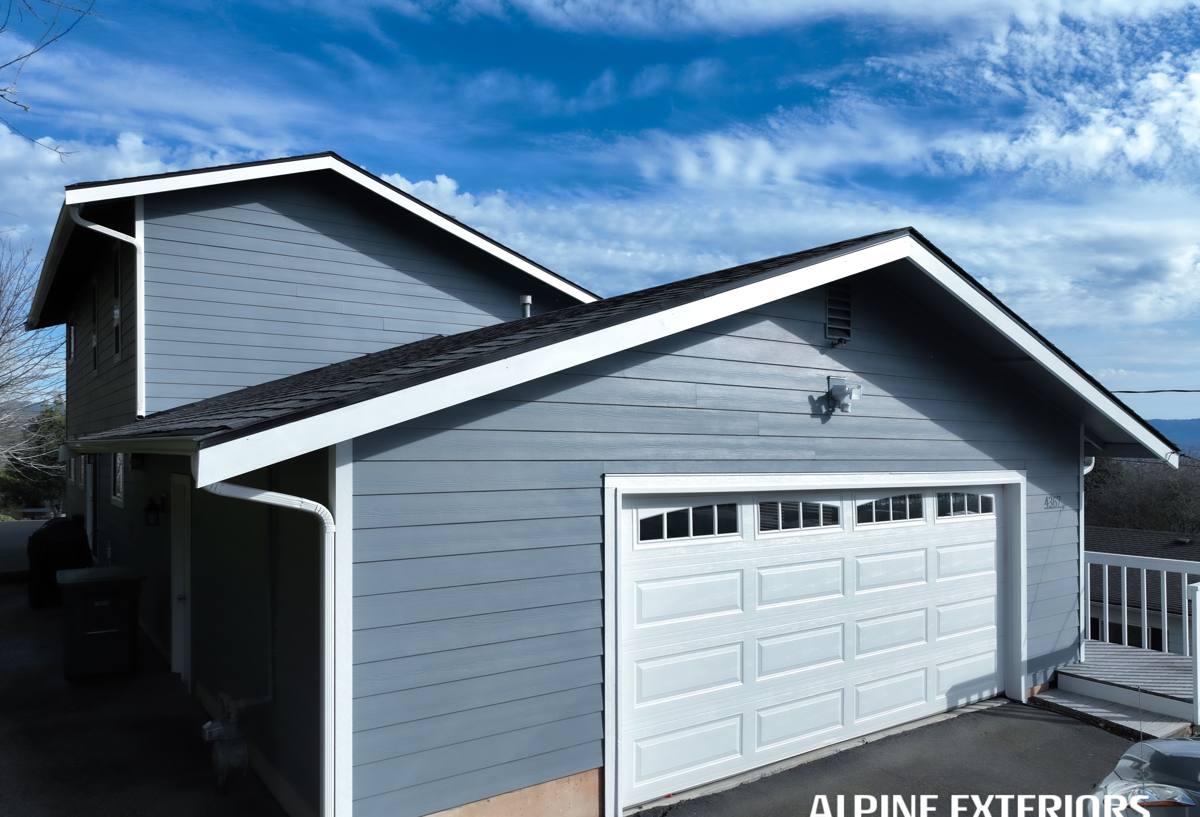
How Belleair's Climate Wears Down a Roof
Wind
Belleair's exposure to open water means it can see stronger, more direct wind than areas further inland. Every hurricane season, wind uplift is what separates shingles, flashing, and even whole roof sections from a structure. Florida's building code has strict wind-rating requirements for coastal Pinellas County, and a proper replacement has to meet or exceed them — not just on paper, but in how the roof is actually fastened down.
UV and Heat
Central Florida sun breaks down roofing materials from the top down. Asphalt shingles lose their granules and oils over years of direct UV exposure, underlayment can become brittle, and sealants dry out faster than manufacturers' lab tests often suggest. A roof here ages differently than the same product would in a milder climate.
Wind-Driven Rain
It's rarely rain alone that causes damage — it's rain pushed sideways and upward under wind pressure during storms. This is why flashing details, underlayment quality, and how a roof handles water at valleys, penetrations, and edges matter more here than the shingle brand printed on the wrapper.
Salt Air
Proximity to the Gulf and the harbor means airborne salt is a constant, low-grade stressor on exposed metal — nails, flashing, vents, and fasteners. Salt accelerates corrosion, which is why fastener and flashing material selection is a real decision on a Belleair roof, not an afterthought.
Signs a Belleair Roof Needs Replacing, Not Just Repair
Not every damaged roof needs full replacement, but there's a point where repair stops making financial sense. Common signs we look for during an inspection include:
- Granule loss heavy enough that shingles look patchy or bald in sun-exposed areas
- Curling, cracking, or cupping shingles, especially on south- and west-facing slopes
- Soft spots in the decking found during a walk-on inspection
- Repeated leaks in different locations after storms, rather than one isolated spot
- Roof age approaching or past the manufacturer's expected service life for this climate
- Visible rust or corrosion on flashing, vents, or exposed fasteners
- Missing or lifted shingles after wind events, even if no active leak has shown up yet
If a roof is under about ten years old and the damage is limited to a section, repair is often the honest recommendation. Past that point, or when damage is spread across multiple areas, replacement usually costs less over time than chasing repairs on a roof that's already failing.
What a Correct Roof Replacement Involves
A roof is a system, not just a layer of shingles. Skipping any one part of that system is where most premature failures come from. A correct replacement in this climate includes:
Full Tear-Off and Deck Inspection
We remove the existing roofing down to the deck rather than layering over old material. This lets us inspect the plywood or OSB decking underneath for rot, soft spots, or storm damage that can't be seen or fixed from above. Any compromised decking gets replaced before anything new goes down — installing new roofing over a weak deck just hides the problem.
Underlayment
The underlayment is the roof's backup waterproofing layer, and in a wind-driven-rain climate it earns its keep. We use underlayment rated for high-wind, high-humidity conditions, with self-adhering membrane at eaves, valleys, and other vulnerable points where water tends to find its way in.
Flashing
Flashing around chimneys, skylights, walls, and roof penetrations is where the majority of leaks actually originate — far more often than through the field of the roof itself. We install new flashing rather than reusing old pieces, and we use corrosion-resistant materials appropriate for a salt-air environment.
Fastening for Wind Rating
Nail pattern, nail placement, and fastener count all affect a roof's actual wind resistance, independent of what the shingle package advertises. We fasten to meet Pinellas County's wind-rated requirements, not the minimum a shingle can technically pass with.
Ventilation
Proper attic ventilation keeps roof temperatures and moisture levels in check, which extends the life of both the roofing material and the decking underneath it. A hot, poorly ventilated attic will shorten the lifespan of even a well-installed roof.
Material Options for Belleair Homes
There's no single "best" roofing material for every home — the right choice depends on budget, the home's structure, HOA or architectural guidelines common in some Belleair neighborhoods, and how long the owner plans to stay in the home. Here's how the common options compare for this climate specifically:
| Material | Wind/Storm Performance | Salt Air Durability | Typical Lifespan | Notes |
|---|---|---|---|---|
| Architectural Asphalt Shingle | Good, when properly fastened and wind-rated | Moderate — fasteners and flashing are the weak point | 15-25 years in this climate | Best balance of cost and performance for most homes |
| Standing Seam Metal | Excellent | Strong with coated/coastal-grade panels | 30-50 years | Higher upfront cost, lower long-term maintenance |
| Concrete or Clay Tile | Very good if properly installed and fastened | Strong — tile itself resists salt corrosion | 30-50+ years | Heavier; requires structure rated for the load |
| 3-Tab Asphalt Shingle | Fair — lower wind rating than architectural shingles | Moderate | 12-18 years in this climate | We generally don't recommend this for direct coastal exposure given the shorter lifespan and lower wind rating |
We'll walk through these trade-offs honestly during an estimate rather than steering every homeowner toward the same product. A roof that fits the home's structure, the owner's budget, and how long they plan to own it is the right roof — regardless of what's trendiest.
Our Replacement Process
- Inspection and estimate. We walk the roof, check the attic where accessible, and give a straightforward assessment of condition, options, and cost — no pressure, no inflated urgency.
- Material selection. We go over the trade-offs between options based on your home, budget, and how long you plan to stay in it.
- Permitting. Roof replacements in Pinellas County require a permit and inspection. We handle the permitting process as part of the job.
- Tear-off and deck inspection. Old roofing comes off, decking gets inspected and repaired where needed.
- Underlayment and flashing installation. The waterproofing layer and flashing go in first, with extra attention at valleys, penetrations, and edges.
- Roofing installation. Shingles, metal panels, or tile are installed to the wind-rated fastening spec required for this area.
- Cleanup and final inspection. The property is cleared of debris and nails, and the work passes county inspection before we consider the job done.
Permits, Wind Codes, and Local Requirements
Pinellas County enforces Florida's building code requirements for wind resistance, which are stricter for coastal and near-coastal areas like Belleair than in many other parts of the state. A permitted roof replacement has to meet these standards and pass inspection — this isn't optional paperwork, it's what actually determines whether a roof performs in a real storm. Some Belleair neighborhoods also have HOA or architectural review guidelines covering roof color, material, or style; it's worth checking with your HOA before finalizing material choice if your property is part of one. We're familiar with the general permitting process in this area and handle it as part of the job rather than leaving it to the homeowner.
What Drives the Cost of a Belleair Roof Replacement
Every roof is different, so exact pricing depends on a site visit, but the main cost factors are consistent:
| Factor | Why It Matters |
|---|---|
| Roof size and pitch | More square footage and steeper slopes mean more material and labor time |
| Material choice | Asphalt, metal, and tile carry different material and installation costs |
| Decking condition | Rotted or storm-damaged decking that needs replacing adds material and labor |
| Roof complexity | Valleys, dormers, skylights, and chimneys add flashing work and labor time |
| Number of layers to remove | Tearing off multiple existing layers takes more labor than a single layer |
| Wind-rating requirements | Meeting Pinellas County's coastal wind code can affect fastener and material specs |
We'd rather give a homeowner an honest range up front than a lowball number that changes once the crew is on the roof. A written estimate after inspection is the only way to get an accurate figure for your specific home.
Questions to Ask Before Hiring a Roofing Contractor
Roof replacement is a significant investment, and it's worth vetting a contractor carefully before signing anything. A few questions worth asking any roofer bidding your Belleair project:
- Are you licensed to perform roofing work in Florida, and can you provide proof?
- Do you carry liability insurance and workers' compensation coverage?
- Will you pull the permit yourselves, and is that included in the price?
- What underlayment and fastening spec do you use for wind-rated installations?
- What does your workmanship warranty cover, and for how long?
- Do you have experience with coastal Pinellas County properties specifically?
- Is the estimate written and itemized, or a verbal number only?
A contractor who answers these clearly and without hesitation is generally one worth trusting with the job. Vague answers, pressure to sign immediately, or reluctance to put things in writing are worth treating as red flags.
Why Local Experience in Belleair Matters
Belleair has its own mix of conditions — waterfront and near-waterfront exposure, a blend of older homes and newer construction, and in some neighborhoods, HOA guidelines that affect material and color choices. A crew that already works this area understands the wind exposure specific to this stretch of coastline, knows what Pinellas County inspectors expect to see, and has already worked through the kind of flashing and fastening details that matter most this close to the Gulf. That familiarity translates into fewer surprises during the job and a roof that's actually built for where it sits, not just for a generic Florida spec.
If your roof in Belleair is showing its age or storm damage, we're happy to take a look and give you a straightforward, no-pressure estimate. Fill out the form below to get started.