 Clearwater Siding
 Belleair's Climate Is Harder on Siding Than Most Homeowners Realize
Belleair sits on a narrow stretch of the Pinellas County coastline, which means homes here take on a combination of exterior stresses that inland properties rarely see all at once. Salt-laden air moves in off the Gulf and Intracoastal Waterway and settles on exterior surfaces year-round, accelerating corrosion of fasteners and trim. Intense, near-constant UV exposure breaks down pigments and surface coatings faster than in northern climates. Wind-driven rain during summer storms and hurricane season pushes moisture sideways into seams, laps, and penetrations that a poorly installed siding system simply isn't built to resist. And when a named storm does track through the Tampa Bay area, sustained winds and gusts can test every fastener and every inch of house wrap behind the cladding.
None of this means siding is a losing battle in Belleair. It means the material and the installation both have to be matched to the environment. A siding job that would hold up fine in a drier, calmer climate can fail here within a few years — cupping, fading, soft spots at butt joints, or fastener bleed-through are common complaints we hear from homeowners whose siding wasn't specified or installed with this coastline in mind.
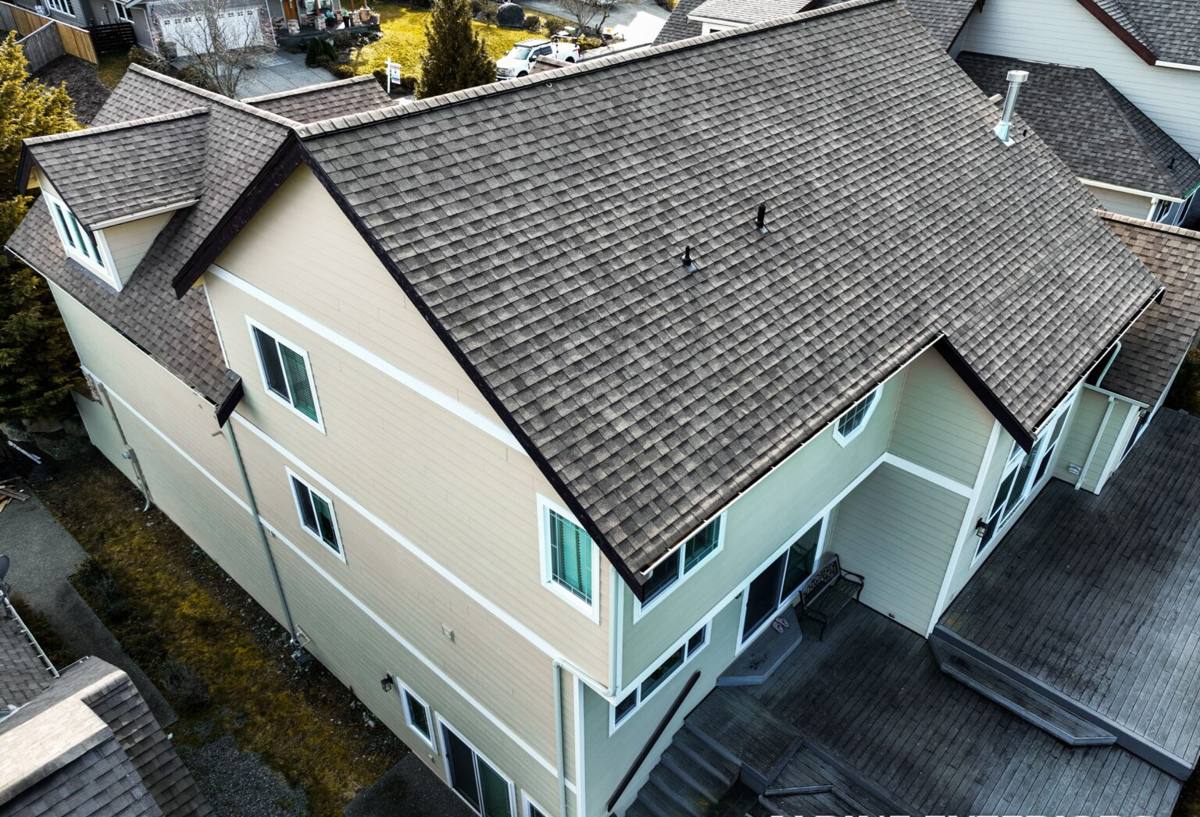
What a Correct Siding Installation Actually Involves
Siding installation is often treated as a cosmetic upgrade, but the parts of the job that matter most are the ones you never see once it's finished. A correct installation in a coastal climate like Belleair's involves several layers working together, not just panels nailed to a wall.
The Water-Resistive Barrier
Behind every siding panel should be a continuous, properly lapped weather-resistive barrier that sheds water downward and out, with flashing integrated at every window, door, and penetration. This layer does the real waterproofing work — the siding itself is the second line of defense, not the first.
Fastening and Clearances
Fastener type, spacing, and penetration depth all matter, especially with fiber cement, which requires specific nailing patterns to perform to its wind rating. Siding also needs proper clearance from grade, roof lines, and decks so that water doesn't wick up into the bottom edge of the material.
Joints, Caulking, and Trim
Butt joints, corners, and trim transitions are where most premature failures start. These need to be treated correctly the first time — factory-primed or factory-finished edges sealed per manufacturer spec, not just caulked over and painted.
Skipping or rushing any one of these steps is how a siding job looks fine at handoff and starts showing problems within two or three Florida summers.
Why We Install Only James Hardie Fiber Cement
We made a deliberate decision as a company: we install James Hardie fiber cement siding, and we don't install vinyl, LP SmartSide, cedar, primed spruce, or other fiber cement brands. That's not a marketing position — it's a standard we hold because of what we've seen happen to siding on this coastline over time.
Vinyl siding can warp and distort in intense, sustained heat and doesn't hold up as well structurally in high wind events. Wood-based products, including engineered wood siding, are vulnerable to moisture intrusion at cut edges and joints — a real risk given how much wind-driven rain this area sees. Cedar and other natural wood sidings look good initially but demand a maintenance schedule most homeowners underestimate, especially with salt air accelerating weathering. Other fiber cement brands exist, but Hardie's ColorPlus factory-baked finish and its climate-specific HZ5 product engineering for humid, high-UV, storm-prone regions is the combination we've found holds up best here.
James Hardie fiber cement is non-combustible, resists moisture swelling and cracking far better than wood-based alternatives, and holds paint and color far longer than field-painted materials because the finish is baked on at the factory rather than applied on site. It's also backed by a strong transferable limited warranty — meaningful when you consider how many Belleair properties change hands over the decades a siding job needs to last.
How the Main Siding Options Compare
| Material | Wind/Storm Performance | Moisture Behavior | Maintenance | Do We Install It |
|---|---|---|---|---|
| James Hardie Fiber Cement | Engineered HZ5 line for high-wind, humid regions | Won't rot, resists moisture-driven swelling | Repaint on your schedule, no sealing required | Yes |
| Vinyl | Can distort or fail in sustained high heat/wind | Doesn't rot, but seams can trap moisture behind it | Low, but limited repair options if damaged | No |
| LP SmartSide / Engineered Wood | Adequate when intact, vulnerable at damaged edges | Wood-based core swells if moisture reaches cut edges | Requires prompt attention to any moisture exposure | No |
| Cedar / Natural Wood | Performs adequately but ages faster in coastal UV | Prone to rot, insect damage without upkeep | Regular sealing, staining, or painting needed | No |
Our Siding Installation Process for Belleair Homes
The process is the same discipline every time, whether the home is a smaller cottage-style property or a larger estate home closer to the water.
- Site assessment: we inspect the existing exterior, check for hidden moisture damage behind current siding, and confirm the substrate is sound before anything new goes up.
- Product and color selection: we walk homeowners through Hardie's plank profiles, textures, and ColorPlus palette options suited to Belleair's architectural styles.
- Tear-off and substrate repair: old siding comes off, and any water-damaged sheathing or framing is repaired before anything new is installed over it.
- Weather barrier and flashing: a continuous water-resistive barrier is installed with correct laps and integrated flashing at every window, door, and penetration.
- Hardie panel or plank installation: installed to manufacturer fastening specs, with correct joint treatment and clearances from grade and roofline.
- Trim, caulking, and final finish: corners and trim are sealed and finished per spec, not just caulked over.
- Final walkthrough: we review the completed work with the homeowner before calling the job done.
Hurricane and High-Wind Considerations Specific to Belleair
Belleair's exposure to Gulf-driven weather systems means wind performance isn't a theoretical concern here — it's a real design factor. Fiber cement siding installed to manufacturer specification carries wind ratings suited to Florida's coastal wind zones, but that rating only holds if the fastening pattern, panel overlap, and edge treatment are done correctly. A rushed or under-fastened installation can look identical to a correct one on the day it's finished, and the difference only shows up the first time it's tested by a real storm. This is one of the biggest reasons DIY siding work or shortcut installation practices are a bad trade-off in this specific location, even when the material itself is a good choice.
Salt Air and Long-Term Exterior Maintenance
Salt air doesn't just affect siding — it affects every metal component on the exterior of a home, from fasteners to flashing to trim accessories. Part of doing this job right in Belleair is specifying corrosion-resistant fasteners and hardware, not just standard-grade materials that would be fine further inland. On the siding itself, Hardie's factory-applied ColorPlus finish is designed to resist the fading and chalking that field-applied paint experiences faster under this level of UV and salt exposure, which reduces how often a homeowner needs to think about repainting compared to site-finished materials.
Cost Factors for Siding Installation in Belleair
Every home is different, so an accurate number always comes from an in-person estimate, but the main variables that move the price are consistent across projects.
| Factor | Why It Matters |
|---|---|
| Home size and wall complexity | More square footage and more corners, gables, and dormers mean more material and labor time |
| Substrate condition | Hidden moisture damage found during tear-off adds repair scope before new siding goes up |
| Product line and profile | Hardie plank width, texture, and finish options affect material cost |
| Trim and detail work | Homes with more architectural trim, shutters, or accent details take more finishing time |
| Access and site conditions | Waterfront lots, tight setbacks, or limited equipment access can affect labor time |
We provide itemized, written estimates so homeowners can see exactly what's driving the number rather than a single lump-sum figure.
Why It Matters to Hire a Crew That Already Works in Belleair
Pinellas County's permitting and inspection requirements, wind-load standards, and local building department expectations aren't identical to every jurisdiction in the state. A crew that regularly works in Belleair and the surrounding Clearwater area already understands the permitting process, knows what local inspectors look for, and has already worked through the practical realities of this coastline — narrow lots, mature landscaping close to the home, HOA or architectural review considerations in some neighborhoods, and the wind and moisture conditions described above. That familiarity reduces surprises during the project and helps the job get scheduled, permitted, and inspected without unnecessary delay.
Questions to Ask Before Hiring Anyone for a Siding Job
- Are you licensed and insured to perform exterior work in Pinellas County?
- Will you provide manufacturer installation instructions and follow the specified fastening pattern?
- What is your plan for water-resistive barrier and flashing at windows, doors, and penetrations?
- Who pulls the permit, and who is present for the inspection?
- What does the manufacturer's warranty cover, and is it transferable if the home is sold?
- Will substrate repairs be itemized separately if damage is found during tear-off?
Ready to Talk About Your Belleair Home
If your siding is showing its age, or you're planning ahead for a full replacement, we're happy to walk your property, point out anything we see, and explain exactly what a correct James Hardie installation would involve for your home. There's no pressure and no obligation — just a straightforward look at your options. Use the form below to request a free estimate.