 Clearwater Siding
 Board & Batten Siding for Belleair Bluffs Homes
Board & batten is one of the most requested siding styles in Belleair Bluffs — the vertical lines and crisp shadow reveals suit the mix of coastal cottages, mid-century ranches, and newer builds tucked between Clearwater and the bay. It's a striking look, but it's also one of the least forgiving styles to install poorly. Every seam, batten, and fastener is exposed to Pinellas County weather in a way that lap siding simply isn't. Get the substrate, flashing, and fastening wrong, and the same style that makes a home stand out becomes the reason it needs repairs in five years instead of thirty.
We install board & batten in Belleair Bluffs exclusively in James Hardie fiber cement — never vinyl, LP SmartSide, or wood battens. That's not a marketing position, it's a direct response to what this climate does to vertical siding over time. Below is what we think every homeowner in this neighborhood should understand before signing a contract.
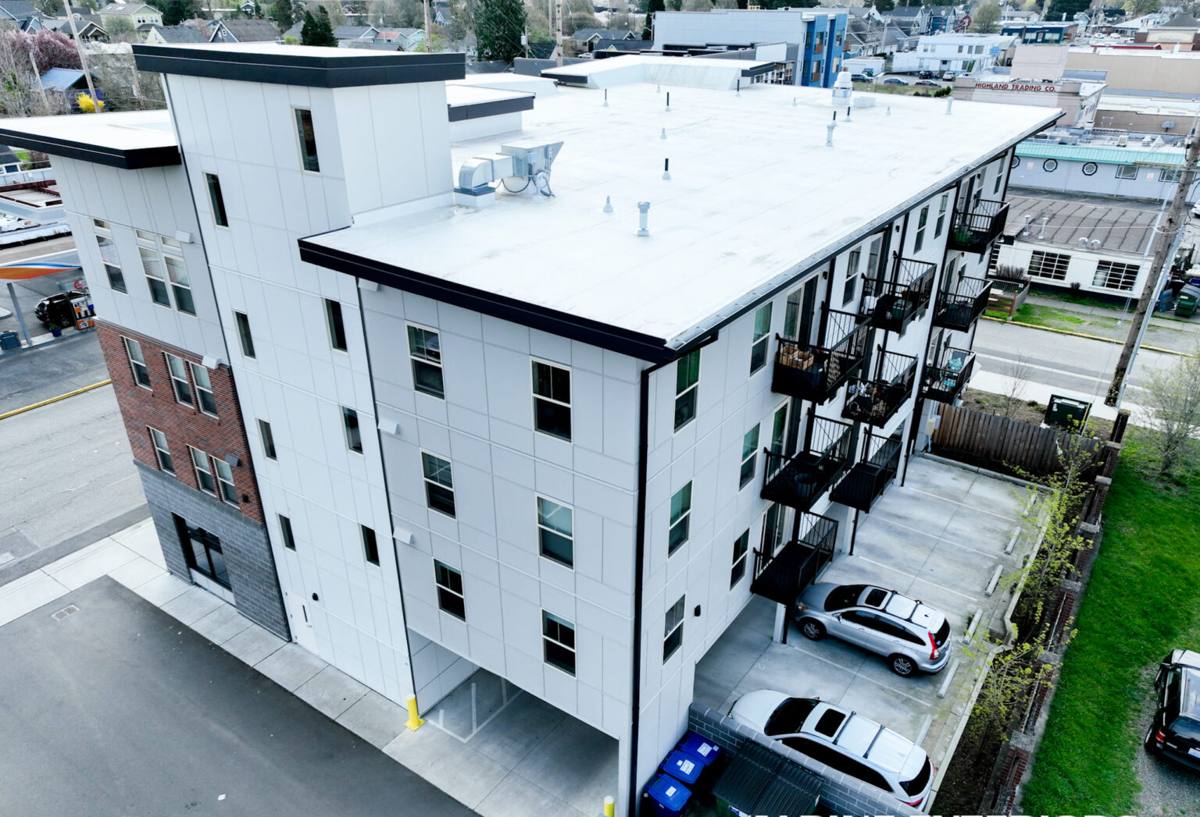
What Belleair Bluffs' Climate Actually Does to Board & Batten
Wind exposure near the bluff and the bay
Belleair Bluffs sits close enough to the Intracoastal and Gulf-facing weather patterns that homes here see sustained wind loads and hurricane-season gusts most inland Florida neighborhoods don't. Board & batten has more vertical seams and more individual pieces catching wind than a lap profile, and every one of those seams is a potential point where wind-driven rain can work its way behind the cladding if the install wasn't detailed correctly.
Year-round, high-angle UV
Vertical boards take direct sun differently than horizontal lap — batten faces and panel faces get consistent, intense exposure with fewer overlaps to shade them. Paint and coatings that aren't factory-cured to hold up under that kind of UV load chalk, fade, and crack faster than homeowners expect, especially on south and west elevations.
Salt air and humidity
Even a few miles from open water, Pinellas County's salt-laden air accelerates corrosion on fasteners and metal flashing, and keeps ambient humidity high enough that any siding material prone to swelling or moisture absorption stays vulnerable longer after storms. Board & batten's narrow battens and reveals give moisture fewer places to shed and dry quickly if the assembly wasn't built to manage it.
Why Board & Batten Demands More From the Installer
Lap siding is a forgiving system — each course overlaps the one below it, shedding water by design. Board & batten relies on the installer to build that same water management into a flatter, more vertical assembly using correct furring, drainage gaps, and flashing details that aren't visible once the job is done. This is where a lot of board & batten installs go wrong, regardless of the siding brand used:
- Battens face-nailed directly over panel seams with no drainage gap behind them, trapping moisture against the substrate
- Missing or undersized weather-resistive barrier behind the panels
- Fastener spacing that doesn't account for local wind zone requirements
- No rain screen or furring strip to let incidental moisture drain and the wall assembly breathe
- Butt joints and corners caulked instead of properly flashed
Every one of these is invisible on install day and becomes obvious three to seven years later as staining, soft spots, or paint failure at the seams.
How We Install Board & Batten Correctly
Substrate and moisture barrier
We start with a code-compliant weather-resistive barrier over sound sheathing, lapped and taped at every seam before a single board goes up. If the existing wall assembly has hidden moisture damage from a prior installation, we address that before covering it — not after.
Furring and drainage
Where the assembly calls for it, we install a furring or rain-screen gap behind the battens so any moisture that does get behind the cladding has somewhere to drain and air to dry it out, instead of sitting against the wall.
Fastening to wind zone
James Hardie panels and battens are engineered with published fastener schedules tied to wind zone ratings. Belleair Bluffs' exposure means we follow the schedule for the applicable wind zone rather than a generic minimum — that's the difference between siding that stays put through a tropical storm and siding that doesn't.
Flashing at every transition
Windows, doors, roof lines, and outside corners all get proper metal or manufacturer-specified flashing, not caulk as a substitute. Caulk is maintenance; flashing is the actual water management layer.
ColorPlus finish, factory-applied
We use James Hardie's ColorPlus factory finish wherever possible instead of field-painting after install. It's baked on and warranted against the fading and chalking that vertical siding in this climate is most exposed to.
James Hardie Board & Batten vs. Other Vertical Siding Options
| Factor | James Hardie Fiber Cement | Wood / Primed Battens | Vinyl Vertical Panel | LP SmartSide |
|---|---|---|---|---|
| Salt air / humidity behavior | Non-combustible, engineered for moisture resistance | Absorbs moisture, prone to rot at battens | Doesn't rot, but can warp and fade in direct sun | Wood-based; vulnerable if moisture reaches the core |
| Wind performance | Rated fastener schedules for high-wind zones | Highly dependent on fastener quality and species | Can crack or blow off in gusts if under-fastened | Adequate but sensitive to installation quality |
| Finish durability in UV | ColorPlus factory finish, warranted | Repaint every 3–5 years typically | Color molded in but fades and chalks over time | Field-painted, exposed to same UV stress |
| Fire resistance | Non-combustible | Combustible | Melts/deforms under heat | Combustible (engineered wood) |
| Long-term maintenance | Low — inspect and caulk touch-ups | High — recurring paint and rot repair | Low but limited repair options if damaged | Moderate — watch for edge swelling |
Wood battens can look great initially, but this is a climate that punishes anything that absorbs water. Vinyl vertical panel avoids rot but doesn't hold up structurally the way fiber cement does in sustained wind. This is why we standardized on James Hardie for every board & batten job we take on in Belleair Bluffs — not because it's the only option on the market, but because it's the one that holds up to what this specific location does to a home's exterior.
Our Process for Belleair Bluffs Board & Batten Projects
1. On-site assessment
We walk the home, check the existing wall assembly for hidden moisture or rot, and note the elevations that take the heaviest sun and wind exposure so the estimate reflects the actual conditions of the property.
2. Tear-off and substrate inspection
Old siding comes off and we inspect sheathing before anything new goes up. Problems found here get addressed and disclosed, not covered.
3. Weather barrier and flashing
Barrier installed and taped, flashing set at every window, door, and roofline transition, furring installed where drainage gaps are called for.
4. Board & batten installation
Panels and battens installed to the manufacturer's wind-zone fastener schedule, with attention to consistent reveals and tight, properly flashed joints — the details that determine whether the finished wall looks crisp for decades or shows waviness within a year.
5. Final inspection and walkthrough
We review the completed work with the homeowner and confirm caulking, trim, and finish details before calling the job done.
Maintenance Expectations Once It's Installed
James Hardie board & batten with a ColorPlus finish is low-maintenance, not no-maintenance. In this coastal climate, we recommend homeowners:
- Rinse the exterior periodically to clear salt residue and pollen buildup, especially on wind-facing elevations
- Inspect caulk joints at trim and corners annually, and re-caulk if it's cracking or pulling away
- Watch for any staining at batten bottoms after heavy storms, which can signal a drainage issue worth checking
- Re-check attic and wall ventilation periodically — trapped interior humidity stresses any siding system from behind
Why Local Installation Experience Matters Here
Belleair Bluffs' permitting process, wind-load requirements, and the specific way homes here sit relative to sun and prevailing wind aren't identical to inland Pinellas County or the rest of the Tampa Bay area. A crew that already works this specific pocket of Clearwater knows what inspectors here expect, what wind zone documentation gets requested, and which elevations on a typical Belleair Bluffs lot need the most attention before the first panel goes up. That local familiarity shows up in fewer surprises during permitting and a tighter, better-detailed install — not just a faster one.
If you're considering board & batten siding for a home in Belleair Bluffs, we're happy to walk the property, look at what's there now, and give you a straight answer on what a correct install would involve. Request a free, no-pressure estimate using the form below.