 Clearwater Siding
 Siding on a Barrier Island Is a Different Job
Indian Rocks Beach sits on a narrow strip of land between the Intracoastal Waterway and the Gulf of Mexico, and that location changes what "good siding" means. Homes here take on conditions that inland Pinellas County properties simply don't see with the same intensity: near-constant salt-laden air, direct Gulf sun for most of the day, wind-driven rain that gets pushed sideways into wall assemblies, and, during storm season, sustained tropical or hurricane-force wind loads. A siding product and installation method that hold up fine a few miles inland can fail faster on the island, and repairs are more disruptive because of limited access and smaller lots.
This page is specifically about installing James Hardie fiber cement siding on Indian Rocks Beach homes — what the local conditions demand, what a correct job looks like, and how our process is built around this particular stretch of coastline rather than a generic install.
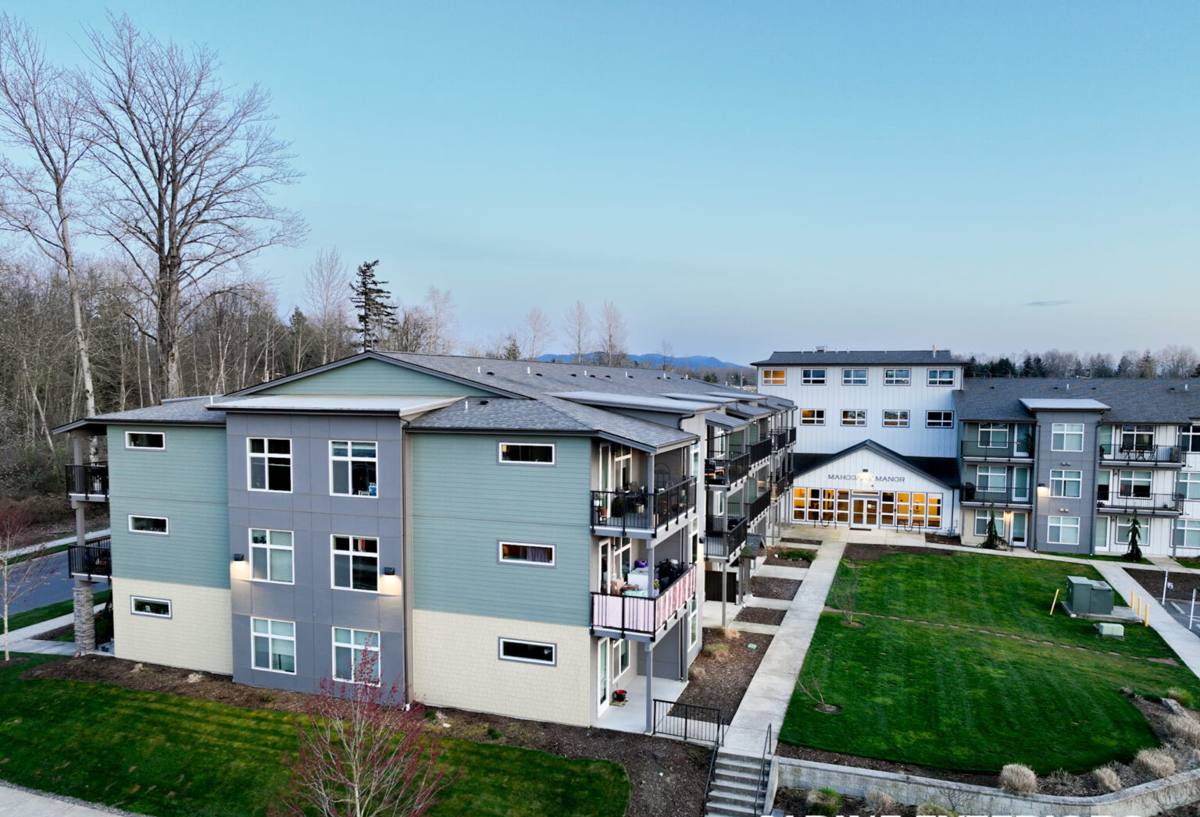
What Salt Air, Sun, and Wind Actually Do to Siding
Salt Air and Corrosion
Airborne salt doesn't just sit on the surface — it works into fasteners, trim joints, and any exposed metal, accelerating corrosion in ways that show up as staining, streaking, and eventually failed connections. On a barrier island, this process runs faster and closer to the structure than it does even a mile or two inland. Fastener choice and flashing details matter more here than almost anywhere else in the county.
UV and Coastal Sun
Indian Rocks Beach gets long, largely unobstructed sun exposure off the Gulf. UV breaks down pigments and surface coatings over time, which is why paint on siding in this area tends to chalk, fade unevenly, and need repainting well before it would inland. A factory-applied finish engineered for UV resistance holds color and integrity far longer than field-applied paint exposed to this level of sun.
Wind-Driven Rain
Storms coming off the Gulf don't just drop rain — they push it horizontally into wall surfaces, seams, and penetrations. A siding system's water management (how it's flashed, lapped, and sealed) is what actually keeps a house dry, not the water resistance of the siding material by itself. A house can have a "waterproof" material and still take on water damage if the assembly behind it wasn't detailed correctly.
Wind Load
Pinellas County's coastal areas are subject to higher design wind pressures than inland zones, and Indian Rocks Beach, being exposed to open Gulf frontage, is on the higher end of that range. Siding attachment — fastener type, spacing, and pattern — has to be engineered to hold under uplift and lateral wind pressure, not just nailed on at a standard spacing that would pass inspection somewhere with lower wind exposure.
Why We Install Only James Hardie Fiber Cement
We standardized on James Hardie siding for every job we take on, including here on Indian Rocks Beach, because it's the product that holds up to this specific combination of stressors without asking the homeowner to fight it every few years:
- Non-combustible core: Fiber cement doesn't feed a fire the way wood-based or foam-backed products can, which matters for insurance conversations and for peace of mind in a dense coastal neighborhood.
- Dimensionally stable: It doesn't swell, warp, or rot the way wood and some engineered wood products can when repeatedly wetted by salt spray and humidity.
- Engineered finish: James Hardie's ColorPlus factory-applied finish is baked on and tested for UV and fade resistance, which is a meaningfully different product than field-painted siding exposed to Gulf sun.
- Climate-specific product lines: James Hardie makes HZ5 product engineered for Florida's higher-moisture, higher-humidity climate zone, which is what we install here.
- Backed by a real warranty: A transferable manufacturer warranty on both the substrate and the finish gives homeowners actual recourse, not just a verbal assurance.
We don't install vinyl, LP SmartSide, Cemplank, Allura, or primed wood siding, and we're upfront about why: on a barrier island in particular, the trade-offs of those products (moisture sensitivity, shorter finish life, installation sensitivity, or weaker warranty backing) show up faster than they would somewhere less exposed. We'd rather put one product on a house and stand behind it than offer a menu of options with very different long-term outcomes.
What Correct Installation Looks Like Here
James Hardie siding performs the way it's designed to only when it's installed to the manufacturer's specifications — and on a coastal property, the margin for error is smaller. A correct install on an Indian Rocks Beach home includes:
Water Management Behind the Siding
Weather-resistant barrier installed and lapped correctly, flashing at every window, door, and penetration, and proper drainage planes so any water that gets past the siding has somewhere to go instead of sitting against the wall sheathing.
Fastening Engineered for Wind Zone
Corrosion-resistant fasteners (stainless steel or equivalent-rated) at the spacing and pattern required for this wind exposure category, not a generic inland spec. Under-fastening is one of the most common causes of siding failure in wind events; it's also invisible once the job looks finished, which is exactly why it matters who's doing the install.
Correct Clearances and Gaps
James Hardie specifies minimum clearances from grade, roof lines, decks, and other siding — these clearances exist specifically to keep moisture from wicking into the bottom edge of the panels, which is a bigger risk in a high-humidity, high-rain coastal environment than elsewhere.
Joint and Seam Treatment
Butt joints, corners, and trim intersections sealed with the correct sealant and detailed to shed water, not trap it — done wrong, these are where wind-driven rain finds its way in first.
Factory-Finish Handling
Cutting, handling, and touch-up practices that protect the ColorPlus finish so it performs for its full expected life instead of degrading early at cut edges or damaged spots.
Comparing What's Riding on the Details
| Detail | Done Correctly | Done Wrong or Skipped |
|---|---|---|
| Fastener spec | Holds through design wind loads, resists corrosion for decades | Panels loosen or blow off in storm-force wind, streaking around corroding fasteners |
| Water-resistant barrier & flashing | Wind-driven rain drains away from sheathing | Hidden moisture intrusion, rot, mold behind an intact-looking wall |
| Clearance from grade/roof | Bottom edge stays dry, finish lasts | Wicking moisture causes swelling and early paint failure at the base |
| Joint sealing | Seams shed water in horizontal rain | Water tracks in at seams during Gulf storms |
| Factory finish handling | Color holds, minimal repainting for years | Early chalking, fading, and touch-up paint that never quite matches |
Our Process for an Indian Rocks Beach Project
- On-site assessment: We look at your home's specific exposure — direct Gulf-facing walls take more weathering than side or landward walls, and that can affect product selection and detailing.
- Existing wall inspection: Before any new siding goes up, we check the sheathing and framing underneath for moisture damage from the old system, especially around windows, corners, and low areas near grade. Problems found here get addressed before siding, not covered up by it.
- Product and color selection: We walk through the appropriate James Hardie HZ5 profile and ColorPlus color options for your home, factoring in HOA or neighborhood considerations where relevant.
- Installation to spec: Water-resistant barrier, flashing, fastening, and clearances installed to James Hardie's requirements and this wind zone's demands — not a generic inland approach.
- Final walkthrough: We review the finished job with you, including care and maintenance specific to a coastal salt-air environment.
Maintenance Realities for a Coastal Property
Even the right product needs some upkeep on the island. A periodic rinse to clear salt residue off the siding surface, keeping gutters and drainage clear so water isn't sitting against walls, and a visual check after major storms for any loosened trim or caulking are all reasonable habits for an Indian Rocks Beach home. This is meaningfully less maintenance than wood or vinyl siding typically demands in this environment, but it's not zero — and knowing what to actually watch for saves homeowners from bigger repairs down the line.
- Rinse siding periodically to remove salt buildup, especially on Gulf-facing walls
- Keep shrubs and irrigation from spraying directly onto lower siding panels
- Inspect caulking at trim and joints annually and after major storms
- Keep gutters and downspouts clear so water drains away from the foundation and wall base
- Address any small chips or scratches in the finish promptly with manufacturer-approved touch-up
Why Local Installation Experience Matters
A crew that already works Indian Rocks Beach and the surrounding Clearwater coastline has already dealt with the practical realities of this location: tight lot access on many barrier island streets, permitting and wind-load requirements specific to Pinellas County's coastal zones, and the actual weathering patterns that show up on Gulf-facing versus landward walls. That's different knowledge than a crew that mostly works inland subdivisions and treats every job the same way. It shows up in the details — where flashing gets extra attention, which fastener spec gets used without having to look it up, and which corners of a coastal job never get cut because we've seen what happens when they are.
If you're considering new siding, a replacement after storm damage, or you're just noticing your current siding wearing out faster than you expected on the island, we're happy to take a look. Reach out for a free, no-pressure estimate using the form below.