 Clearwater Siding
 Board & Batten Siding in the Del Oro Area
Board and batten has become one of the most requested siding styles for homes in and around the Del Oro area of Clearwater, and it's easy to see why. The vertical lines read as clean and modern on newer construction, but the same profile also works beautifully as an accent on ranch homes, gable ends, and porch fronts throughout Pinellas County. It's a style choice, but it's also a performance choice — and in a coastal climate like ours, those two things have to work together or the siding won't last.
This page covers what board and batten siding actually needs to hold up on a Del Oro home, what a correct installation looks like, and why we install it only in James Hardie fiber cement rather than wood, vinyl, or other cement-board alternatives.
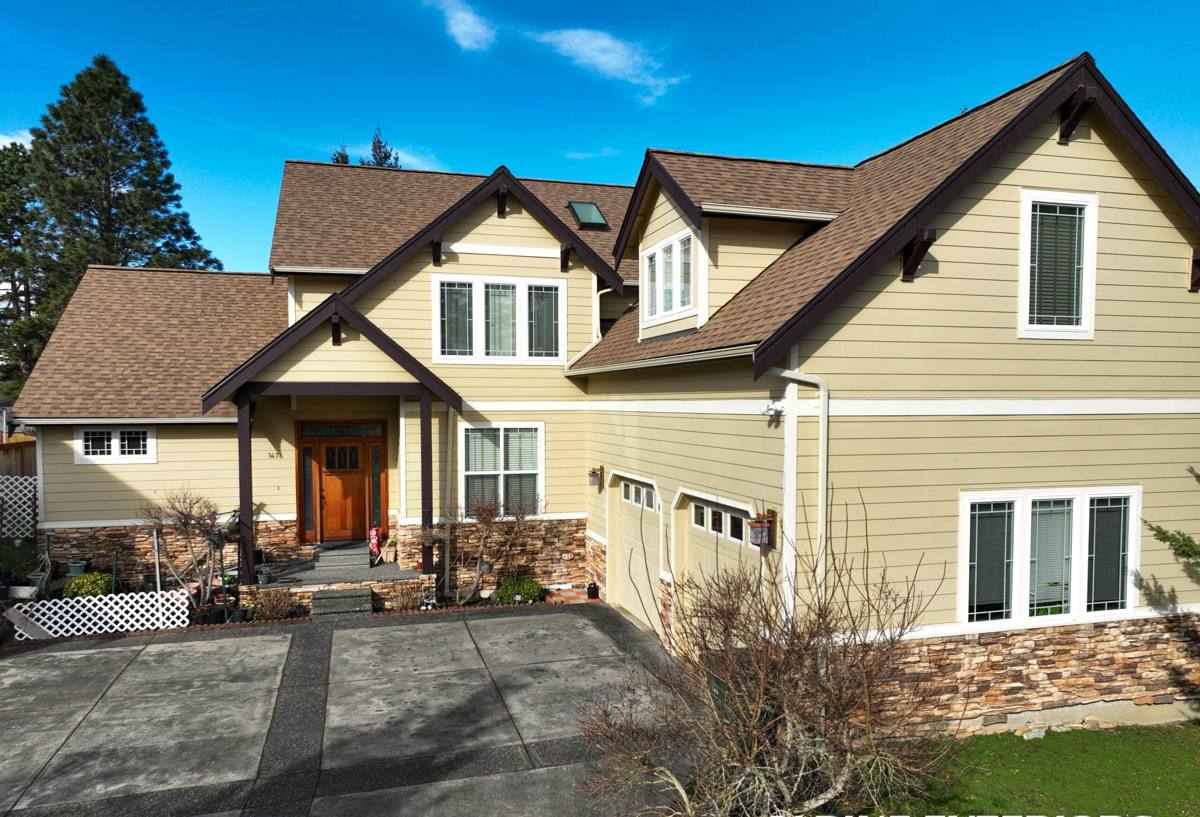
What Clearwater's Climate Does to Board & Batten Siding
Board and batten siding has more seams and more exposed vertical joints than standard lap siding, which makes climate performance even more important to get right. Del Oro homes deal with the same set of stressors as the rest of coastal Pinellas County, and each one attacks board and batten siding differently.
Hurricane-Force Wind
Wind doesn't just push against a wall — it gets under loose boards and behind poorly fastened battens, and that's where siding failures start. Board and batten panels need fastening schedules and furring methods rated for our wind zone, not a generic installation pattern pulled from a milder climate.
Intense, Year-Round UV
Florida sun is relentless on painted wood and unfinished cement board alike. UV breaks down surface coatings, and once a finish starts to chalk or fade unevenly, board and batten's strong vertical lines make that unevenness very noticeable from the street.
Wind-Driven Rain
Batten strips create a second layer of joints where water can be pushed sideways and upward during a storm, not just downward by gravity. Every batten and board edge needs the right flashing and gap detail behind it, or moisture works its way behind the cladding over time.
Salt Air
Being close to the Gulf means airborne salt settles on siding and fasteners year-round. Salt accelerates corrosion in fasteners and trim hardware and speeds up the breakdown of finishes that aren't built for a marine-influenced environment.
Why We Install Board & Batten Only in James Hardie Fiber Cement
Board and batten can be built from several materials, and each one has a real trade-off in this climate. We standardized on James Hardie fiber cement for every home we side, and board and batten is actually where that decision matters most, because the extra seams and vertical joints in this style put more stress on the material itself.
| Material | Wind Performance | Moisture Behavior | UV / Fade Resistance | Salt Air Durability |
|---|---|---|---|---|
| Wood (primed spruce/cedar) | Fastener pull-through risk over time | Absorbs water, prone to rot at battens | Repaints needed every few years | Fasteners and finish degrade faster |
| Vinyl | Can deflect, crack, or blow off in high gusts | Doesn't rot but traps moisture behind it | Fades and can become brittle in constant sun | Generally stable but seams loosen |
| James Hardie fiber cement | Engineered and tested for high-wind zones | Non-combustible, resists moisture-driven swelling | ColorPlus finish is baked-on and UV-formulated | Holds up to coastal, salt-laden air |
Wood board and batten looks great on day one, but the battens themselves are the weak point — they're thin, they take direct sun and rain exposure on multiple faces, and repainting a whole board and batten elevation is far more labor than a flat wall. Vinyl board and batten profiles exist too, but vinyl relies on its fastening system staying intact under wind load, and it doesn't hold color or rigidity the way a factory-finished fiber cement product does. James Hardie's HZ5 product line is engineered specifically for climates like ours, and the ColorPlus finish is baked on in a controlled factory process rather than field-applied, which matters enormously on a style with this many exposed edges.
What Correct Board & Batten Installation Involves
Board and batten is more installation-sensitive than standard horizontal lap siding. Getting the look right is the easy part — getting the water management right is what determines whether it lasts.
- Furring strips or a proper vertical siding assembly to create a drainage plane behind the boards
- A weather-resistive barrier installed and lapped correctly before any siding goes up
- Flashing at every horizontal transition — window heads, water tables, roof lines
- Correct fastener type, spacing, and embedment for our wind zone, run into solid framing or furring
- Proper gaps at board and batten joints, caulked with a product rated for exterior movement
- Battens spaced and fastened so they don't trap water against the underlying board
- Clearance at the bottom edge so siding isn't sitting in standing water or mulch
Skip any one of these steps and the siding can still look right at the final walkthrough — the problems show up eighteen months later as staining, soft spots, or fastener rust bleeding through the finish. This is exactly the kind of work where the difference between a rushed crew and an experienced one isn't visible until it's too late to fix cheaply.
James Hardie Board & Batten Product Options
Vertical Siding Panels
Hardie's vertical panel products are engineered as a system, with panel and batten spacing designed to work together and shed water correctly. This is the more budget-conscious route to a board and batten look while keeping the engineered water management intact.
Hardie Artisan
For homeowners who want a more refined, deeper-shadow board and batten appearance — often used as an accent on gables, dormers, or entry features — Hardie's Artisan line offers a higher-end profile with the same climate-engineered core.
ColorPlus Finishes
Both options are available with ColorPlus factory finish, which matters more on board and batten than almost any other siding style because the vertical boards and battens show brush lines, fade patterns, and touch-up mismatches far more visibly than a horizontal wall.
Our Process for Del Oro Board & Batten Projects
Every board and batten job we run in the Del Oro area follows the same sequence, because skipping steps is where climate-related failures start.
- On-site assessment — we look at wall condition, existing moisture issues, and how the home is oriented to sun and prevailing wind and rain.
- Product and layout selection — panel vs. Artisan, board width, batten spacing, and color, matched to the home's architecture.
- Substrate and water barrier prep — repair of any damaged sheathing, correct house wrap installation, and flashing plan before a single board goes up.
- Installation to manufacturer and wind-zone specification — correct fastening, gapping, and sealing at every joint.
- Final inspection — checking flashing, caulking, and fastener pattern before we call the job done.
Cost Factors for Board & Batten Siding
Board and batten typically costs somewhat more than standard lap siding on a comparable home, mostly because of the added labor in furring, board layout, and batten installation. The real range depends on your specific home, but these are the main factors that move the number.
| Factor | Why It Affects Cost |
|---|---|
| Total wall area and home height | More surface area and multi-story access both add labor time |
| Existing siding removal and substrate repair | Rotted sheathing or old furring must be fixed before new siding goes on |
| Board width and batten spacing | Narrower boards and tighter batten spacing mean more material and labor per square foot |
| Trim, corners, and architectural detail | Gables, dormers, and window trim all add cutting and fitting time |
| Standard vs. premium ColorPlus color | Some finish options carry a higher material cost than others |
Maintaining Board & Batten Siding in Pinellas County
James Hardie board and batten is low-maintenance, not no-maintenance. A little seasonal attention goes a long way in our climate.
- Rinse siding periodically to remove salt residue, especially on elevations facing prevailing wind
- Inspect caulking at board and batten joints annually and reseal if it's cracking or pulling away
- Keep irrigation heads and sprinklers from spraying directly on the siding
- Trim vegetation back from walls so battens can dry out fully after rain
- Check after major storms for loose trim, dented panels, or fastener issues
Why Hiring a Crew That Already Works in Del Oro Matters
Board and batten installed to spec in Clearwater isn't the same job as board and batten installed to spec somewhere with milder wind and rain exposure. A crew that already works in the Del Oro area and Pinellas County generally knows the local wind-zone fastening requirements, has already dealt with the permitting process for this jurisdiction, and has seen firsthand how different orientations on a home hold up to Gulf-driven weather over multiple hurricane seasons. That local track record is worth more than a lower bid from a crew that's never installed siding in a coastal wind zone before.
If you're considering board and batten siding for your Del Oro home, we're happy to take a look and walk you through what your home specifically needs. Reach out using the form below for a free, no-pressure estimate.