 Clearwater Siding
 Why Board & Batten Fits Palm Harbor Homes
Board and batten siding has become one of the most requested exterior styles in Palm Harbor, and it's easy to see why. The vertical boards and raised battens create strong shadow lines and a clean, farmhouse-meets-coastal look that works well on both waterfront properties and homes tucked into Palm Harbor's wooded, inland streets. It's a style that reads as custom without requiring custom pricing, and it pairs naturally with the mix of traditional and modern coastal architecture found throughout Pinellas County.
But board and batten isn't just a look. Done right, it's a full siding system with its own set of engineering requirements — and those requirements matter a lot more in Palm Harbor than they would somewhere inland with a milder, drier climate.
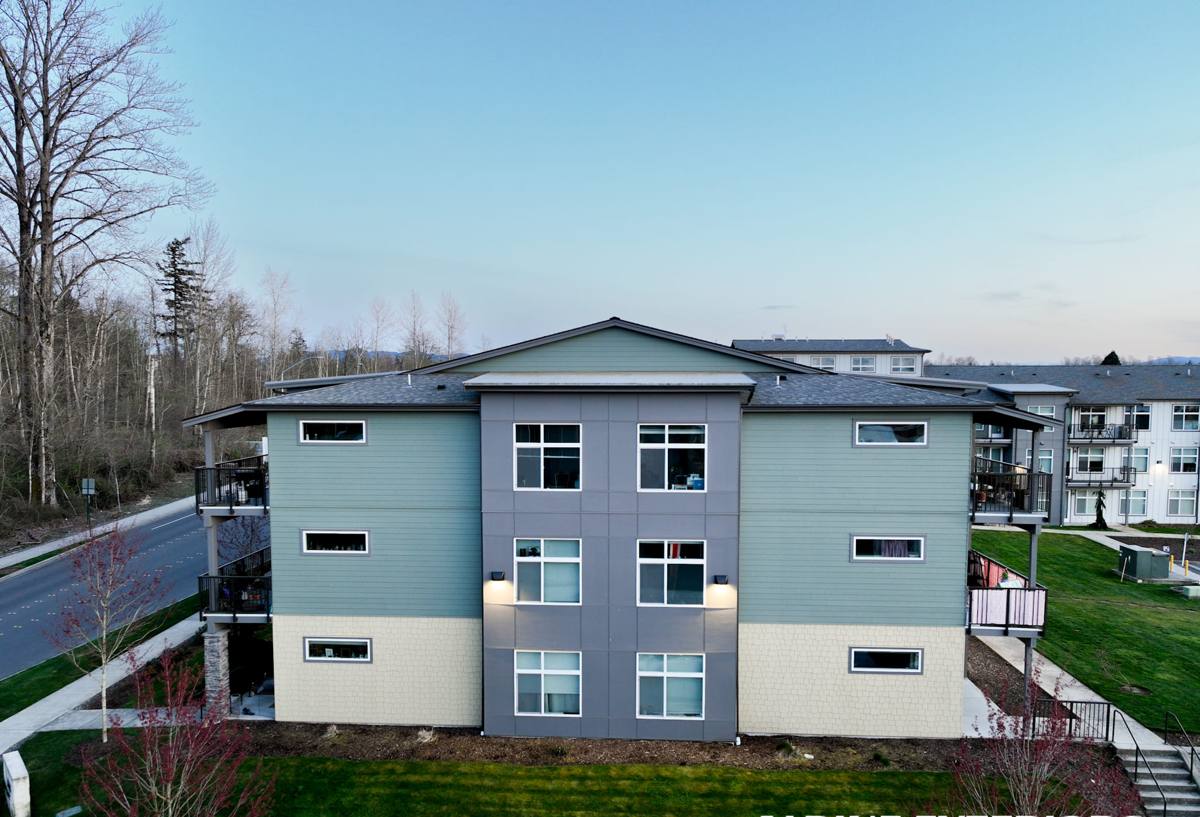
What Pinellas County Weather Does to Vertical Siding
Palm Harbor sits close enough to the Gulf that homes here deal with a specific combination of stresses: hurricane-force wind gusts during storm season, wind-driven rain that gets pushed sideways and upward instead of just falling straight down, intense year-round UV exposure, and salt-laden air that doesn't stay confined to homes directly on the water. All four of these show up in how board and batten siding fails when it's installed poorly.
Vertical board and batten has more seams per square foot than horizontal lap siding — every batten covers a joint between two panels, and every one of those joints is a potential path for water if it isn't flashed and fastened correctly. Lap siding sheds water by design, overlap by overlap. Board and batten has to be built to do the same job through proper water-resistive barrier work, batten spacing, and fastening — it doesn't happen automatically just because the boards are nailed up straight.
UV breaks down paint film and caulk over time, which is why the factory-applied finish on the siding matters as much as the installation. Salt air accelerates corrosion on fasteners and metal flashing that aren't rated for coastal exposure, which is often the real reason siding starts failing at the seams years before the boards themselves show any wear.
Wind-Driven Rain and Batten Seams
During tropical storms and hurricane outer bands, rain doesn't fall straight down — it's driven horizontally and can be forced upward under trim and around fasteners. Board and batten siding depends on a correctly lapped water-resistive barrier and properly placed flashing behind every seam to keep that wind-driven moisture out of the wall assembly. Skip that step and the boards can look fine on the surface while the sheathing behind them is taking on water.
Material Options for Board & Batten, Compared
Homeowners researching board and batten siding usually run into four material choices. Here's how they hold up under Pinellas County conditions specifically.
| Material | Salt air & humidity behavior | Fire rating | Realistic lifespan (correct install) | Ongoing maintenance |
|---|---|---|---|---|
| James Hardie fiber cement (HZ5) | Non-combustible, dimensionally stable, engineered for humid coastal zones | Non-combustible | Decades, backed by transferable warranty | Low — factory finish, occasional rinse |
| Vinyl board & batten | Can warp or distort in prolonged intense heat and UV | Combustible | Varies widely by product grade | Low but limited repair options if damaged |
| Engineered wood | Vulnerable to moisture intrusion at cut edges and seams | Combustible | Shorter if moisture reaches the substrate | Moderate — seam and edge inspection needed |
| Real wood (cedar/pine) | Absorbs moisture, prone to rot and insect activity in humid air | Combustible | Shortest without frequent upkeep | High — repainting, sealing, rot repair |
This is the comparison that led our crew to standardize on James Hardie fiber cement for every siding job we take on, board and batten included. We'll get into why below.
What a Correct Board & Batten Installation Actually Involves
Board and batten looks simple from the curb, but the assembly behind it is more involved than most homeowners expect. On a Palm Harbor home, we treat every one of these steps as non-negotiable:
- A continuous, properly lapped water-resistive barrier installed before any siding goes up
- Flashing at every seam, window, door, and roofline intersection where water could work its way behind the boards
- Fastener placement and spacing that matches James Hardie's published engineering data for wind zones like ours
- Corrosion-resistant fasteners rated for coastal, salt-air exposure — not standard interior-grade fasteners
- Batten spacing and reveal that's consistent across the elevation, not eyeballed panel by panel
- Proper clearance at the base of the wall so boards aren't sitting in standing water or mulch beds
- Caulking only where James Hardie's installation instructions call for it — over-caulking traps moisture just as badly as under-caulking lets it in
Skipping any one of these doesn't necessarily show up right away. It shows up two, five, or eight years later as buckling, staining, or soft spots — usually right around a Florida rainy season.
Why We Install Only James Hardie for This Application
We don't install vinyl, engineered wood, primed spruce, or cedar board and batten — on any home, Palm Harbor included. That's a deliberate standard, not a lack of options.
James Hardie's fiber cement siding is non-combustible, which matters on a style like board and batten where the vertical seams and battens are often used as accent features close to eaves and rooflines. Their HZ5 product line is specifically engineered for climates like ours — high humidity, heavy rain, and salt exposure — rather than being a general-purpose product used everywhere in the country. The ColorPlus factory finish is baked on under controlled conditions and carries its own finish warranty, which takes the UV-fade and paint-failure risk that hits field-painted wood and some engineered wood products largely out of the equation.
None of this means the alternatives are junk. Vinyl is affordable and low-maintenance in a lot of climates; real wood has a warmth that fiber cement can only approximate. But for board and batten specifically — a style with more seams, more fastener penetrations, and more exposed edges than standard lap siding — the trade-offs on moisture behavior, heat distortion, and long-term finish durability are exactly the ones we're not willing to install on a Pinellas County home. James Hardie is what we've standardized on because it's built for the seams-and-weather combination this style creates.
Our Process for a Palm Harbor Board & Batten Project
- Assessment. We inspect the existing siding, sheathing, and any moisture damage before quoting anything — you should know what's behind your walls before a decision gets made.
- Tear-off and substrate check. Old siding comes off and we check the sheathing underneath for soft spots or prior water damage that needs to be addressed first.
- Water-resistive barrier and flashing. This layer goes in before a single board is hung — it's the part of the job nobody sees again once the siding is up, which is exactly why it has to be right.
- Board and batten installation. Panels and battens go up to James Hardie's fastening and spacing specifications for our wind zone, not generic guesswork.
- Trim, sealing, and final inspection. We seal only where specified, check every seam, and walk the job before calling it done.
Signs Your Current Board & Batten Siding Needs Attention
- Boards or battens that look wavy, bowed, or separated from the wall
- Soft or spongy spots when pressed, especially near the base of the wall
- Paint that's chalking, peeling, or fading unevenly between boards and battens
- Visible gaps or dark staining running down from batten seams
- Rust streaks around fastener heads or trim
- Increased pest activity or a musty smell near exterior walls
Any one of these on its own might be minor. Several together usually means moisture has already gotten past the surface, and it's worth having a crew take a real look rather than just repainting over it.
Maintenance in a Salt Air, High-UV Environment
Correctly installed James Hardie board and batten doesn't need much, but "not much" isn't "nothing." A periodic rinse-down clears salt residue and airborne debris before it builds up in the batten reveals. It's worth a visual check of caulking and seams after major storms, since wind-driven rain and debris impact are exactly the conditions that stress those points. Pressure washers should be used carefully, if at all, and never aimed directly into seams or up under battens — that can force water into places it was never meant to go, regardless of how well the siding was installed.
Why a Crew That Already Works Palm Harbor Matters
Board and batten siding installed to a generic national standard and board and batten siding installed for Palm Harbor's actual wind zone, humidity, and salt exposure are not the same job, even if they look identical from the street. A crew that regularly works in and around Clearwater and Pinellas County already knows the local wind load requirements, has a working relationship with the permitting process, and has seen firsthand how differently a home performs a few blocks from the water versus further inland. That local pattern recognition is hard to replace with a crew passing through from out of the area, no matter how skilled they are in general.
It also means faster response if a question comes up mid-project or a storm rolls through while work is in progress — something that matters more here than in most parts of the country.
If you're considering board and batten siding for a home in Palm Harbor, we're happy to take a look and talk through what your home specifically needs. Reach out for a free, no-pressure estimate using the form below.