 Clearwater Siding
 Why Board & Batten Suits Clearwater Beach Homes
Board and batten siding has become a signature look on Clearwater Beach — the vertical lines pair well with the coastal cottage and Florida contemporary styles common on the barrier island, and the deep shadow lines the battens create give a home real texture instead of a flat wall. But on a barrier island in Pinellas County, board and batten is not just a style choice. The same vertical joints and exposed batten strips that create the look also create more seams, more fasteners, and more places for water and salt to find a way in if the install isn't done right. A board and batten job that would hold up fine forty miles inland can fail years early two blocks from the Gulf.
We install board and batten siding on Clearwater Beach using James Hardie fiber cement exclusively. This page walks through what the local climate actually does to vertical siding, what a correctly built system looks like, and how our process is built around the conditions specific to this stretch of coastline.
What Clearwater Beach's Climate Actually Does to Vertical Siding
Salt Air and Corrosion
Homes on Clearwater Beach sit close enough to the Gulf that airborne salt is a constant, not an occasional event. Salt accelerates corrosion of fasteners, flashing, and any metal trim tied into the siding system. Board and batten has more exposed fastener lines than lap siding, so the fastener choice and fastener placement matter more here than almost anywhere else in the county.
Year-Round UV Load
Florida's UV exposure runs hard almost every month of the year, not just in summer. Painted wood and some composite battens chalk, fade, and need repainting on a cycle that gets expensive fast when you're recoating both the wide panels and every batten strip. A factory-applied finish that's engineered to resist UV breakdown holds its color far longer than a field-applied paint job ever will.
Wind-Driven Rain
Rain on Clearwater Beach rarely falls straight down during a real storm — it drives sideways, and vertical board and batten seams give it a more direct path toward the wall assembly than horizontal lap siding does. Every vertical joint and every batten fastener is a potential entry point if the water-resistive barrier and flashing details underneath aren't built to shed water down and out, not trap it.
Hurricane-Force Wind Loads
Pinellas County's coastal wind zones require siding assemblies rated for high wind pressure, and Clearwater Beach sits in one of the more demanding zones in the county. Board and batten has more individual pieces fastened to the wall than a lap system, which means more fastener schedule to get right — spacing, embedment, and fastener type all affect whether the assembly actually performs at its rated wind pressure or just looks like it does until the first real storm.
What Correct Board & Batten Construction Involves
Board and batten is simple to describe and easy to get wrong. It's a wide base panel (or individual boards) with narrower batten strips fastened over the vertical seams. The visual result looks the same whether it's built correctly or not — which is exactly why so many failures don't show up until years later.
- A continuous, correctly lapped water-resistive barrier behind the panels — not just wrapped loosely, but shingle-lapped so water sheds outward at every seam
- Proper flashing at every horizontal transition: window and door heads, roof-to-wall intersections, and the base of the wall where siding meets foundation
- A fastening schedule matched to the wind zone and substrate — fastener type, length, and spacing specified for the actual product and actual exposure, not a generic pattern
- Battens fastened into framing or proper blocking, not just into the base panel, so wind uplift doesn't work them loose over time
- Correct clearance at the bottom of the siding above grade, decks, and roof lines to keep the cut edges of fiber cement from sitting in standing water
- Factory-sealed or properly field-sealed cut edges wherever panels are trimmed on site
Skip any one of these and the siding can still look right for a season or two. The problems that show up later — staining, soft spots, fastener bleed, battens pulling away — almost always trace back to one of these steps being shortcut during installation, not a defect in the material itself.
James Hardie Board & Batten Options
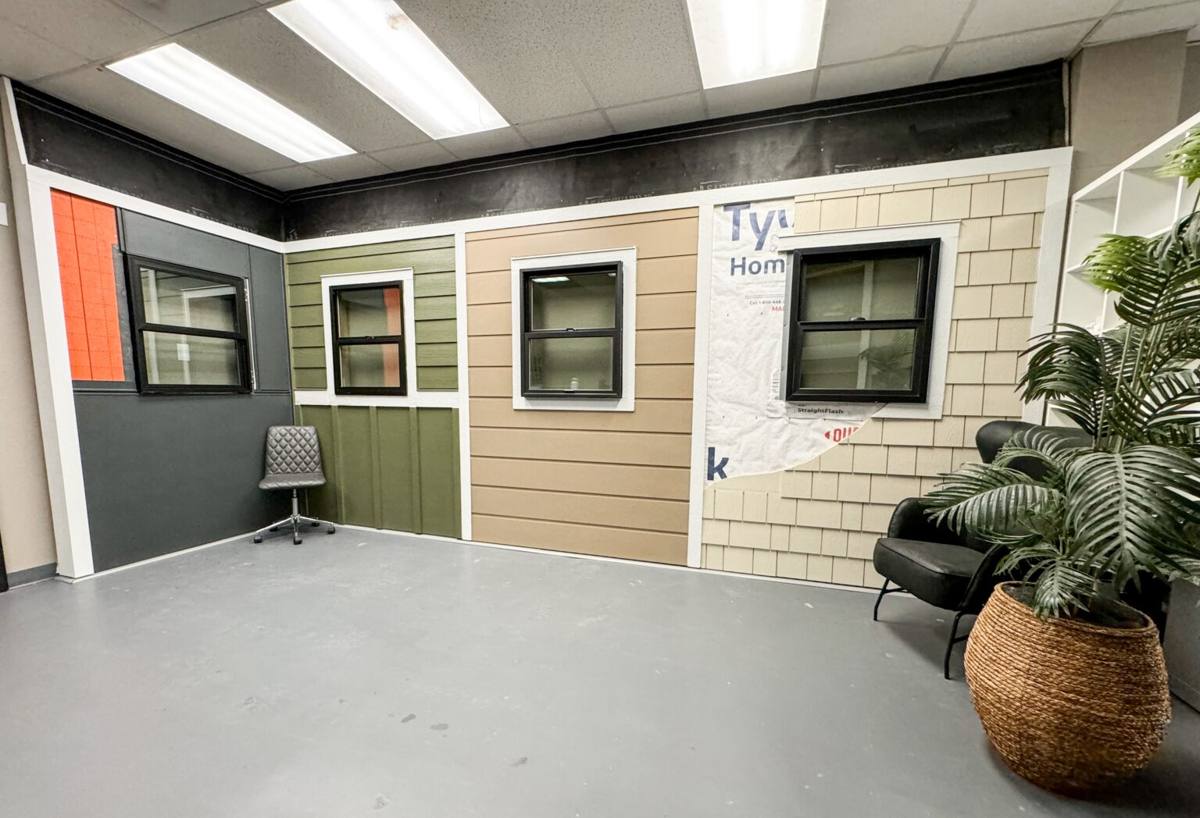
We build board and batten systems using James Hardie fiber cement panels with Hardie batten strips, finished in the factory-applied ColorPlus finish rather than field-painted. Fiber cement is dimensionally stable in Florida's heat and humidity swings — it doesn't expand and contract the way wood battens do, which matters because every expansion cycle works fasteners loose a little more over the life of the siding. Hardie's HZ5 product line is engineered for high-humidity, high-moisture climates like ours, which is the specification we use for Clearwater Beach installations rather than a standard-climate product.
ColorPlus finish is baked on and warranted separately from the substrate, which is the part that matters most in a high-UV, salt-air environment: it's formulated to resist fading and chalking longer than a job-site paint application, and because it's factory-cured, it resists the color-matching problems that come with field painting battens and panels separately.
Common Failure Points We See on Coastal Board & Batten Jobs
Most of the board and batten problems we get called out to look at on the beach and surrounding coastal neighborhoods share a handful of root causes:
| Failure Symptom | Usual Root Cause |
|---|---|
| Rust streaking below battens | Wrong fastener material or coating for a salt-air environment |
| Soft or swollen panel edges | Unsealed cut edges left exposed to wind-driven rain |
| Battens working loose in high wind | Battens fastened only into the base panel, not into framing |
| Staining or streaking at seams | Missing or improperly lapped water-resistive barrier behind the joint |
| Uneven fading between panels and battens | Mixed field-painted and factory-finished materials on the same wall |
None of these are inherent flaws in board and batten as a style. They're installation issues, and they're avoidable with the right sequencing and the right materials for this specific climate.
Our Installation Process for Clearwater Beach Projects
Assessment and Wind Zone Confirmation
We start by confirming the property's wind zone and exposure category, since Clearwater Beach's requirements are more demanding than sites further inland in Pinellas County. This determines the fastening schedule and substrate prep before a single panel goes up.
Substrate and Moisture Barrier
We inspect and repair sheathing as needed, then install a continuous water-resistive barrier with correct shingle-lap sequencing at every seam, window, and door opening before any siding is hung.
Panel and Batten Installation
Panels are fastened per the wind-zone-specific schedule, with batten strips fastened through to framing or blocking, not just to the base panel. Cut edges are sealed on site per manufacturer specification.
Flashing and Trim Detail
Every horizontal transition — window heads, roof lines, deck ledgers, foundation — gets flashed to shed water outward, not just caulked and hoped for.
Final Inspection and Cleanup
We walk every seam, fastener line, and transition before calling the job finished, and the property is cleaned up of debris and cutoffs before we leave.
Maintaining Board & Batten Siding This Close to the Gulf
- Rinse salt residue off the siding periodically, especially on Gulf-facing walls, with a garden hose — no pressure washer directly on seams or battens
- Inspect caulking at window and door transitions annually; caulk is a maintenance item even on a well-built system and degrades faster in coastal UV
- Watch for any rust streaking near fasteners after storm season, which can signal a fastener issue worth addressing before it spreads
- Keep landscaping and irrigation heads from spraying directly on lower courses of siding
- Have the wall assembly checked after any named storm that produced sustained high winds at the property
Why Hiring a Crew That Works Clearwater Beach Regularly Matters
Board and batten done wrong doesn't announce itself right away — it can look perfect for two or three years before the shortcuts show up as staining, soft edges, or battens working loose in a storm. A crew that installs regularly on Clearwater Beach already knows the wind zone requirements, has already worked through the county's coastal permitting process, and has already seen what salt air and wind-driven rain do to siding assemblies that weren't detailed for this specific exposure. That experience shows up in the parts of the job nobody sees once it's finished — the barrier lapping, the fastener schedule, the flashing at every transition — which is exactly the part that determines whether the siding is still performing in ten years or needs attention in three.
If you're weighing board and batten siding for a home on Clearwater Beach, we're glad to walk the property, talk through what your specific exposure requires, and put together a free, no-pressure estimate.