 Clearwater Siding
 Windows Built for Coachman Ridge's Weather
Coachman Ridge is a residential neighborhood in Clearwater, and like the rest of Pinellas County, it sits in a climate that is genuinely hard on windows. Hurricane-force winds test every seal and fastener a window has. Intense, nearly year-round UV breaks down vinyl, weatherstripping, and glazing compounds faster than it would in a milder climate. Wind-driven rain gets pushed sideways into gaps that would never see water in a place where storms fall straight down. Salt air drifting inland off the Gulf slowly corrodes hardware, screens, and lower-grade metal components. None of that is unique to any one street or block in the neighborhood, but it is the baseline every window in Coachman Ridge has to survive, year after year.
Clearwater Siding Company works on homes throughout Coachman Ridge, and window replacement is one of the services we get asked about most, because windows are usually the first thing on a house to show its age in this climate. A window that looked fine five years ago can develop a fogged pane, a stuck sash, or a soft spot at the sill without much warning. This page focuses specifically on what window replacement looks like for homes in this part of Clearwater — what the climate actually does to windows here, what a correct installation involves, and how our process works from first look to final walkthrough.
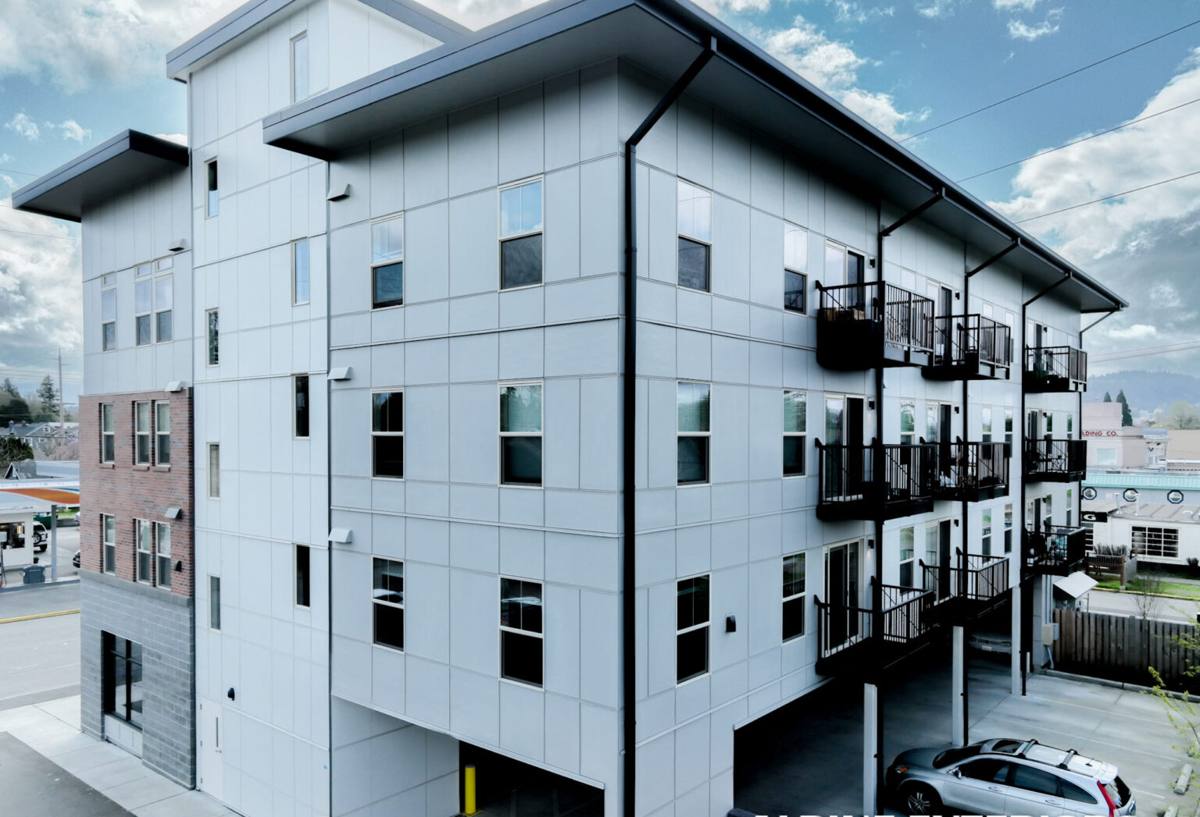
What Pinellas County's Climate Does to Windows Over Time
UV Breakdown
Florida sun is stronger and more consistent than most window products were originally engineered to handle. Vinyl frames can discolor or grow brittle over years of direct exposure, especially on west- and south-facing elevations. Rubber and foam weatherstripping loses its flexibility under sustained UV, which is often the real reason a window that used to seal tight now lets in a draft. Even the sealants around the frame perimeter dry out and crack faster here than they would in a cooler, cloudier region.
Wind-Driven Rain
Storms in this part of Florida rarely deliver rain straight down. Wind pushes it sideways and even upward under eaves and into window flanges, head trim, and sill pans that were only designed to shed water falling in one direction. That sideways load is a bigger test of the installation than of the window product itself. A quality window installed with sloppy flashing will still leak; a modest window installed with correct flashing and a properly pitched sill pan generally won't. Most water intrusion we find around windows traces back to how the window was installed, not what brand it was.
Salt Air and Hardware Corrosion
Coachman Ridge isn't directly on the water, but it's still well within reach of salt-carrying air moving in off the Gulf and Tampa Bay. Over time that accelerates corrosion on hinges, locks, screen frames, and lower-grade fasteners, particularly on windows facing prevailing wind. Cheaper hardware finishes tend to show pitting or stiffness first — often the earliest sign a window's hardware wasn't specified for the corrosion load this region actually delivers.
Wind Load and Storm Exposure
Clearwater sits in a hurricane-exposed part of the state, and Florida's building code sets wind-load and, in many cases, impact-resistance requirements for replacement windows based on your specific location and the home's exposure category. That's not a detail to guess at — it determines what products are even permittable for your address, and it's something we confirm and pull permits for as part of every replacement project rather than leaving it for the homeowner to sort out after the fact.
Window Frame Materials: What Actually Holds Up Here
There's no single right answer for every home in Coachman Ridge — budget, sun exposure, and how long you plan to stay in the house all factor into the decision. What matters is understanding the real trade-offs for this climate before you commit to a product.
| Frame Material | UV & Heat Behavior | Moisture & Salt Air Behavior | Typical Maintenance |
|---|---|---|---|
| Vinyl | Can discolor or stiffen over years of direct sun without UV-stabilized formulations | Won't rot; performance depends heavily on installation quality | Low; occasional track and weep-hole cleaning |
| Fiberglass | Dimensionally stable under heat and sun cycling | Resists moisture and corrosion well | Low |
| Aluminum | Handles heat well structurally but conducts it into the home | Can corrode over time in salt-influenced air unless well-finished | Moderate |
| Wood, clad or painted | Attractive but the most vulnerable to sun and heat cycling at joints | Needs a sound exterior cladding or finish to resist coastal moisture | Higher; regular paint or finish upkeep |
We'll walk you through which frame material fits your home's sun exposure, budget, and the look you're going for, rather than defaulting to whatever's easiest to sell. A shaded, tree-covered lot and an open, south-facing one in the same neighborhood don't always call for the same answer.
Full-Frame Replacement vs. Insert Replacement
One of the first decisions on any window project is whether to do a full-frame replacement, which removes the old window down to the rough opening and rebuilds the flashing from scratch, or an insert replacement, which fits a new window into the existing frame. Insert replacement is faster, less invasive to surrounding siding and trim, and typically less expensive. It works well when the existing frame is structurally sound and was properly flashed to begin with. Full-frame replacement costs more and takes longer, but it's the honest answer when there's already moisture damage at the sill or jambs, when the frame has shifted, or when the original flashing was never done correctly. We'll tell you which situation you're actually in during the estimate, rather than defaulting to the cheaper option and sealing a moisture problem up behind a new window.
Cost Factors for Coachman Ridge Homes
Every home is different, so we don't quote window replacement off a flat per-window price without seeing the job. These are the factors that actually move the number:
| Factor | Why It Matters |
|---|---|
| Insert vs. full-frame | Full-frame involves more labor, flashing rebuild, and often trim or siding repair |
| Impact-rated vs. standard glass | Impact glass costs more upfront but may reduce or eliminate the need for separate storm protection |
| Frame material | Vinyl, fiberglass, aluminum, and wood-clad options carry different material costs |
| Number and size of openings | Larger openings and specialty shapes require more material and labor |
| Existing damage | Rot, corrosion, or prior leaks found once the old window comes out add scope |
| Permitting and inspection | Wind-load and impact requirements can affect which products are approved for your address |
Signs Your Coachman Ridge Home Needs New Windows
Some warning signs are obvious. Others show up gradually and get written off as normal wear. Worth a professional look if you're seeing any of the following:
- Fogging or a permanent haze between panes, meaning the seal on a double-pane unit has failed
- Windows that are hard to open, close, or lock, or that no longer sit flush in the frame
- Visible gaps, cracked caulk, or daylight showing around the frame
- A noticeable draft or a spike in cooling costs during the hottest months
- Soft, discolored, or bubbling material at the sill, especially on wood-framed windows
- Condensation collecting on the inside of the glass on humid Florida days
- Corroded or pitted hardware, hinges, or screen frames
- Noticeable outside noise coming through that wasn't an issue a few years ago
Any one of these is worth having checked out. Caught early, most point to a repair or reseal. Left through another hurricane season, several of them point to water damage already working its way into the surrounding wall framing.
Repair, Reseal, or Replace? How We Help You Decide
Not every window problem calls for full replacement, and we don't default to recommending one. We look at the age and condition of the existing window, whether the issue is isolated to one unit or shows up across the house, and whether there's already moisture damage in the surrounding frame or wall. A single window with a failed seal on an otherwise sound, well-flashed house is often a straightforward repair. A home with multiple aging windows, visible sill damage, or a history of leaks during past storms is usually more honestly addressed with a broader replacement plan, done in phases if budget requires it, rather than patching individual units one at a time.
How Our Window Replacement Process Works
- On-site evaluation. We inspect each window, the surrounding frame and sill, and note any existing moisture or storm damage before recommending anything.
- Honest recommendation. We explain whether your home needs repair, insert replacement, or full-frame replacement, and why, along with which frame material and glass package make sense for your budget and exposure.
- Permitting. We handle the permit process and confirm the products specified meet the wind-load and impact requirements that apply to your address.
- Removal and flashing. Old windows come out carefully, and on full-frame jobs we rebuild flashing and the sill pan correctly rather than reusing whatever was there before.
- Installation. New windows are set, shimmed level and plumb, and sealed to manufacturer specifications, not just caulked around the edges.
- Final walkthrough. We check operation on every window and walk the job with you before we consider it done.
Why a Local Coachman Ridge Crew Matters
A crew that works in Coachman Ridge and the surrounding Clearwater area through every hurricane season sees how sun, wind, and salt air actually affect real houses over years, not just how a product performs on a spec sheet. That shows up in practical decisions on install day: how much attention a given elevation needs based on sun exposure and prevailing wind, how a sill pan should be pitched for the amount of wind-driven rain it's likely to see, and which flashing details are worth the extra time so you're not dealing with a leak after the next tropical system. It also means working with someone who already understands Pinellas County's permitting and wind-load requirements, instead of learning them for the first time on your project.
Beyond Windows: Siding, Roofing, and Decks
Windows are a common focus for us in Coachman Ridge, but the same climate that wears on a window wears on the rest of the exterior too. We also handle siding, roofing, and deck work, and if a window project turns up moisture damage in the surrounding siding or trim, or a roofline detail that's letting water into a wall from above, we can address it as part of the same conversation instead of sending you to find a second contractor.
If your Coachman Ridge home has windows that are fogging, drafty, hard to operate, or just past their useful life, we're glad to take a look and give you a straightforward, honest read on what it actually needs. Reach out using the form below to schedule a free, no-pressure estimate.
```