 Clearwater Siding
 Siding Built for Countryside's Weather, Not Just Its Looks
Countryside sits inland enough from the Gulf to escape the worst of direct salt spray that beachfront Clearwater properties deal with, but it still gets everything else Pinellas County throws at a house: long stretches of intense UV that bake the sun-facing walls, wind-driven rain that finds every gap in a poor installation, and the outer bands of tropical systems that push sustained, gusting wind loads against exterior walls for hours at a time. Humidity sits high nearly year-round, which means anything moisture-sensitive behind the siding has almost no window to dry out between rain events.
None of that is unique to Countryside specifically, but the combination is why siding decisions here can't be made off a national average. A product or installation detail that works fine in a dry climate can fail quietly in Clearwater within a few years. We install fiber cement siding in this neighborhood regularly enough to know which failure points show up first and which details actually matter.
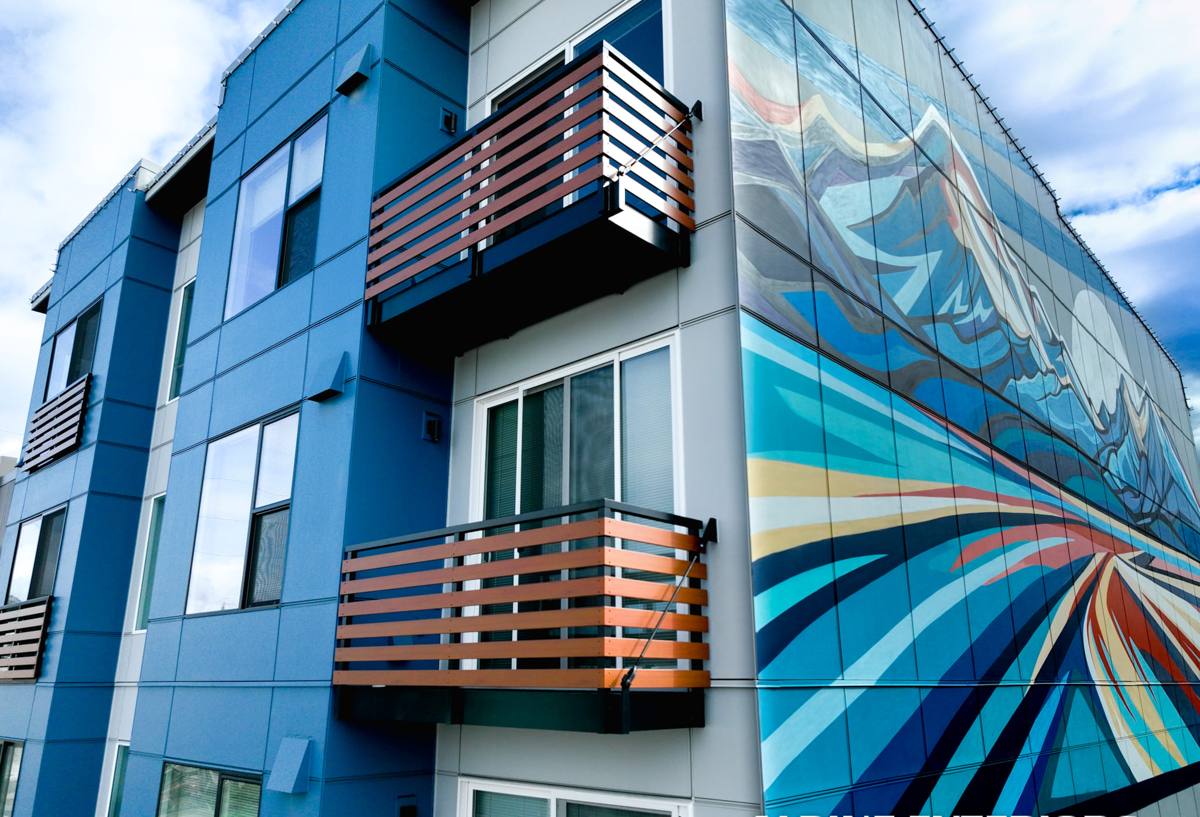
What Countryside Homes Actually Need From Their Siding
Most of the older housing stock in and around Countryside was built with either original wood siding or early-generation vinyl, both of which show their age the same way: fading, warping, and soft spots around window trim and lower wall sections where moisture collects. When we're called out to look at a re-side, the damage almost always traces back to the same three things.
- UV exposure: unshaded west and south-facing walls take the brunt of Florida sun and are usually the first to show chalking, fading, or brittleness.
- Wind-driven rain intrusion: water pushed sideways by storm winds finds its way behind siding through under-caulked joints, missing flashing, or panels that were never held to proper clearances.
- Moisture retention: Pinellas County humidity means anything that traps water against wood sheathing — rather than shedding it — stays wet long enough to start rot.
A siding system for this area has to resist all three at once: hold its color and finish under sun, shed wind-driven rain rather than absorb it, and tolerate humidity without swelling, delaminating, or feeding rot into the wall behind it.
Why We Only Install James Hardie Fiber Cement
We don't offer vinyl, LP SmartSide, or other engineered wood products, and we don't install unbranded fiber cement alternatives like Cemplank or Allura. That's a deliberate standard, not a sales pitch. Vinyl softens and can warp under sustained heat and doesn't hold up structurally in higher wind events. Engineered wood siding relies on a resin-treated core that, once the factory seal is compromised at a cut edge or fastener hole, can absorb moisture and swell — a real risk in a climate that rarely gives a wall enough dry time to recover. Non-Hardie fiber cement products can perform reasonably well, but they don't carry the same climate-specific engineering, the same factory finish warranty, or the same track record we've come to rely on.
James Hardie fiber cement is non-combustible, dimensionally stable in humidity, and manufactured with a factory-applied ColorPlus finish that's warranted against fading and peeling far longer than field-applied paint. Hardie also engineers specific product formulations by climate zone — HZ5 for hot, humid, high-moisture regions like ours — which is the version we install on every Countryside project. Standardizing on one manufacturer means we know the material's behavior in detail rather than juggling installation specs across five different products.
What a Correct Fiber Cement Installation Actually Involves
Substrate and Moisture Barrier
Before any siding goes up, the sheathing underneath gets inspected for existing moisture damage or rot, especially common around older window openings and at the base of walls. A code-compliant weather-resistant barrier goes over the sheathing, with flashing integrated at every window, door, and penetration so water is directed out and down rather than trapped behind the cladding.
Clearances That Actually Get Followed
Hardie's installation instructions specify minimum clearances from roof lines, decks, and grade, along with specific gaps at butt joints and around trim. These numbers exist because tight or nonexistent clearances are exactly where wind-driven rain intrudes and where moisture gets trapped against the bottom edge of a panel. Skipping these details is the single most common cause of premature siding failure we see when replacing other contractors' work.
Fastening for Wind Resistance
Fastener type, spacing, and placement are specified by Hardie based on wind zone, and Pinellas County's wind exposure means we don't treat this as optional. Correct fastening is what keeps panels secured through gusting wind events rather than working loose over a few storm seasons.
Joint and Trim Detailing
Every seam, corner, and trim intersection is a potential water entry point. Joints get sealed with a caulk rated for exterior fiber cement, and trim is installed to shed water away from the seam rather than channel it inward.
Our Process for a Countryside Siding Project
- On-site assessment: we walk the exterior, check for existing moisture or structural issues, and measure for material.
- Product and color selection: we go over HardiePlank profiles, HardieShingle or HardiePanel accents if wanted, and ColorPlus color options suited to the home's style and sun exposure.
- Removal and substrate check: old siding comes off and the sheathing underneath is inspected before anything new goes up — this is where hidden rot or water damage gets caught.
- Weather barrier and flashing installation: the moisture management layer goes in correctly before a single piece of siding is hung.
- Siding installation to spec: proper clearances, fastener schedule, and joint treatment throughout.
- Trim, caulking, and final detailing: the finish work that determines how well the system sheds water long-term.
- Final walkthrough: we review the completed job with the homeowner before calling it done.
Choosing a Hardie Product Line for This Neighborhood
Countryside's mix of ranch-style and traditional two-story homes generally works well with either HardiePlank lap siding for a classic horizontal look or a mix of lap siding with HardieShingle accents on gables and dormers for more architectural detail. ColorPlus finishes are available in a range of tones, and because the finish is baked on at the factory rather than field-painted, it holds color consistency across the whole house — something that matters in a market where curb appeal affects resale.
| Product | Best Use | Why It Fits This Climate |
|---|---|---|
| HardiePlank Lap Siding | Full exterior walls | HZ5 formulation resists humidity swelling and holds up under direct sun exposure |
| HardieShingle | Gables, accents, dormers | Adds architectural detail without sacrificing moisture resistance |
| HardieTrim | Corners, window and door surrounds | Engineered to pair with lap siding for consistent water-shedding detail work |
| HardiePanel | Modern flat-panel sections | Used selectively for contemporary accents on updated home designs |
Cost Factors Homeowners Should Actually Weigh
Every quote is different once we see the house, but the variables that move the number are consistent across Countryside projects:
| Factor | Impact on Cost |
|---|---|
| Home size and wall complexity | More square footage and more corners/dormers means more cutting, trim work, and labor time |
| Substrate condition | Rotted sheathing found during tear-off adds repair cost before new siding goes up |
| Product mix | Adding shingle accents or custom trim details costs more than straight lap siding |
| Color selection | Standard ColorPlus colors are typically less costly than premium or custom-matched tones |
| Removal of existing siding | Multiple layers of old material or asbestos-era siding can add disposal cost |
Why Hiring a Crew That Already Works in Countryside Matters
Installation quality is what separates siding that lasts thirty-plus years from siding that needs attention again in five. A crew that regularly works this specific area already understands the wind exposure, the humidity load, and the kind of substrate condition typically found under older siding here — that familiarity shows up in fewer surprises during tear-off and fewer callbacks after installation. It also means faster response if a storm does cause damage and a repair or inspection is needed, since we're not driving in from across the county for a five-panel fix.
We also stand behind our own installation, separate from Hardie's manufacturer warranty on the material itself. That combination — a manufacturer warranty on the product and a contractor who installed it to spec and is still around to answer for the work — is what actually protects a homeowner long-term, not just the brand name on the panel.
Maintenance and What to Watch For
Fiber cement is low-maintenance compared to wood or vinyl, but "low-maintenance" doesn't mean "no maintenance." A short annual check keeps small issues from becoming expensive ones.
- Rinse siding with a garden hose periodically to remove pollen, dust, and salt residue buildup.
- Inspect caulked joints around windows, doors, and trim yearly for cracking or separation.
- Look for any panels that seem loose or have shifted after a major storm.
- Keep an eye on areas near grade or under downspouts where water can pool against the bottom edge.
- Trim back vegetation and irrigation spray that keeps siding constantly wet.
- Address any chipped or damaged sections promptly rather than letting exposed edges sit through a rainy season.
Getting Started
If your Countryside home's siding is showing its age, or you're planning ahead of the next storm season, we're happy to walk the exterior with you and give an honest read on what's actually needed. There's no cost and no pressure for an estimate — just a straight assessment from a crew that installs this product, on homes in this area, every week.