 Clearwater Siding
 Building Decks for Harbor Oaks' Older, Established Homes
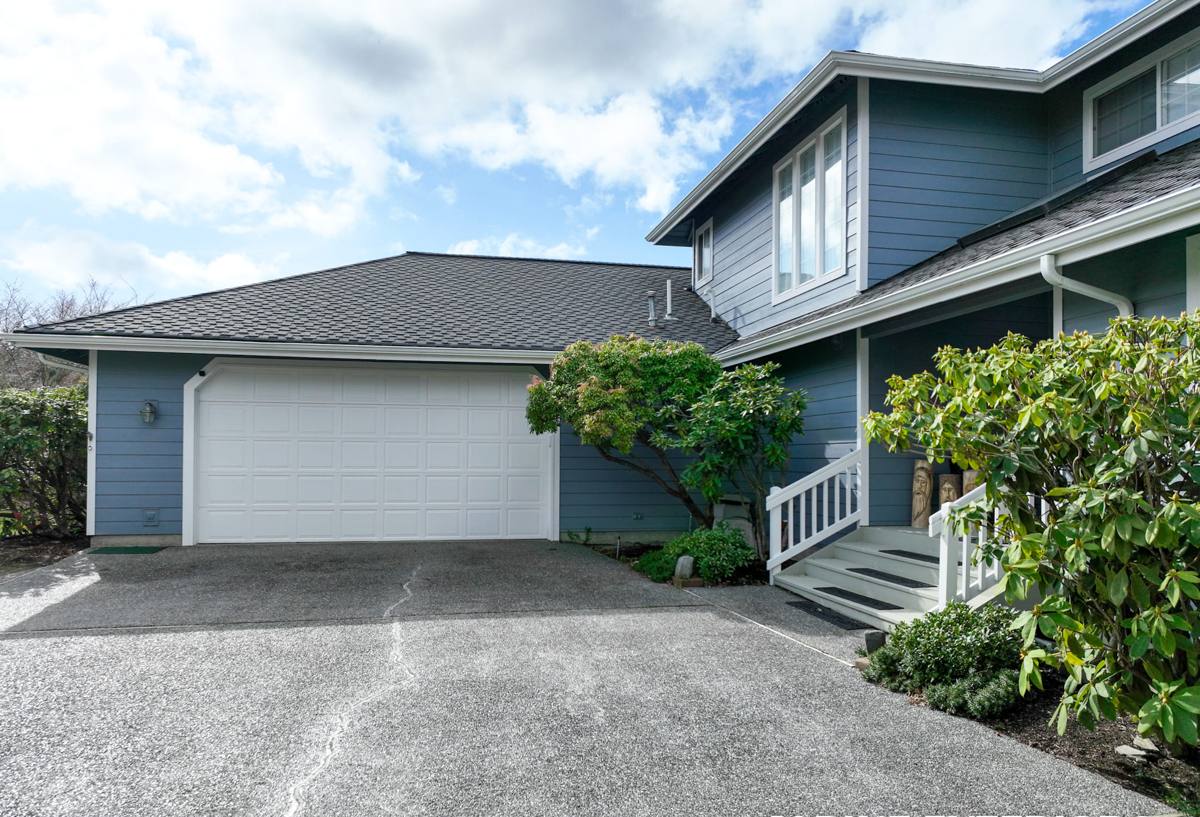
Harbor Oaks sits close to the water on Clearwater Harbor, and it's one of the city's older, more established residential pockets. Homes here tend to be larger and were often built decades before today's composite decking, coastal fastener standards, or current Florida Building Code wind provisions existed. That matters when you're adding or replacing a deck. A deck project in Harbor Oaks isn't just about picking boards and building a platform — it's about tying new structure into an older house correctly, accounting for a ledger wall that may not match modern framing assumptions, and building something that can shrug off what Pinellas County weather throws at it year after year.
We've worked on homes throughout Clearwater with this same profile: solid original construction, but not built with today's climate demands in mind. A custom deck done right respects the age of the house while bringing the structure itself fully up to current standards.
What Proximity to the Harbor Does to a Deck
Being close to open water changes the math on deck-building, even a few blocks inland. Salt-laden air corrodes unprotected metal faster than it will a few miles away, wind gusts off the harbor hit a deck's rail system and joist bays with more force, and afternoon storms roll in with wind-driven rain that gets pushed sideways into ledger boards and post bases rather than falling straight down.
The four things salt air and harbor wind attack first
- Fasteners and hardware — standard exterior screws and joist hangers corrode faster near the water; coastal-rated stainless or heavy hot-dip galvanized hardware is the only honest answer here.
- Ledger-to-house connections — this is the single point where most deck failures start, and it's the joint most exposed to wind-driven rain intrusion behind the siding.
- Railing posts and baluster connectors — taller decks and any elevated deck catch more wind load on the rail system than people expect.
- Fastener heads on the decking surface itself — UV and heat cycling loosen poorly-set screws over time, especially on composite boards installed without proper hidden fastener systems.
Sun and Heat: The Slower, Quieter Problem
Clearwater gets intense, direct UV essentially year-round, and it doesn't take a hurricane to damage a deck — daily sun exposure does plenty on its own. Untreated or poorly finished wood grays, cracks, and splinters within a couple of seasons. Lower-grade composite boards can fade unevenly, especially where part of the deck sits in shade from the house or mature trees common in Harbor Oaks' older lots. Dark-colored decking and railing also gets genuinely hot underfoot in Florida summer, which is worth thinking through at the material-selection stage, not after installation.
Heat cycling also matters structurally. Boards expand and contract with daily heat swings, and fasteners or clip systems not rated for that movement work themselves loose over a few years. This is a case where a slightly higher upfront material or hardware cost saves a maintenance headache down the road.
Material Choices for a Harbor-Adjacent Deck
There's no single right answer for every home — the right material depends on budget, how much upkeep you want to do, and how close to the water your lot sits. Here's how the common options stack up for a Harbor Oaks setting specifically:
| Material | Salt air / moisture behavior | Maintenance | Typical lifespan (well-built) |
|---|---|---|---|
| Pressure-treated pine | Needs sealing and reapplication regularly; end grain and fastener holes are vulnerable points | High — annual inspection, periodic re-sealing | 10–15 years before major work needed |
| Composite decking | Doesn't absorb moisture or rot; performs well near the harbor when hardware is coastal-rated | Low — occasional cleaning | 25–30 years, manufacturer-dependent |
| Tropical hardwood (e.g., ipe) | Naturally dense and rot-resistant; still needs oiling to hold color | Moderate — periodic oiling to prevent graying | 25+ years structurally |
| Aluminum framing / substructure | Excellent — doesn't rot, warp, or attract termites | Very low | Effectively the life of the house |
We're generally cautious about pairing budget pressure-treated lumber with an unshaded, harbor-facing deck — it's not that the wood fails outright, it's that it demands more upkeep than most homeowners realistically keep up with, and the gaps show up as gray, cracked boards within a few years. Composite paired with a properly treated or aluminum substructure tends to be the lowest-hassle long-term choice for this location.
Rethinking the Substructure, Not Just the Boards
A lot of deck failures in coastal-adjacent Florida neighborhoods aren't the visible decking — they're the joists, beams, and posts underneath that were built with interior-grade assumptions. For Harbor Oaks projects we typically spec pressure-treated or engineered framing rated for ground contact and coastal exposure, with all structural hardware upgraded to stainless or heavy-duty galvanized, regardless of what decking material sits on top.
Ledger Attachment: The Part Most Contractors Rush
On an older Harbor Oaks home, the wall the deck ties into may have original wood siding, a mix of past renovations, or framing that doesn't match what a generic ledger detail assumes. Attaching a ledger board incorrectly — missing proper flashing, skipping through-bolts in favor of lag screws, or not sealing behind the house wrap — is the most common cause of deck ledger separation, and it's almost always invisible until it's a real problem.
Done correctly, ledger attachment on an older home means:
- Removing siding at the attachment zone rather than fastening over it, so flashing can be installed properly
- Through-bolting the ledger to the house rim joist or framing, not relying on lag screws alone
- Installing coastal-rated flashing that directs water away from the house, not just decoratively covering the joint
- Confirming what's actually behind the wall before drilling, especially on homes that have had past additions or repairs
Wind Loads, Code, and Permitting in Pinellas County
Any custom deck attached to a home in Clearwater has to meet Florida Building Code wind load requirements for this region, and Pinellas County has its own permitting and inspection process on top of that. This isn't paperwork for paperwork's sake — the wind provisions exist because Gulf Coast neighborhoods like Harbor Oaks genuinely see hurricane-force gusts, and a deck's railing posts, ledger connection, and footing depth all get engineered differently here than they would inland.
A properly permitted deck project includes:
- Site-specific plans showing footing size and depth for local soil conditions
- Engineered connection details for the ledger and any elevated posts
- Railing height and baluster spacing that meets current code, even if the home's existing deck predates it
- Inspections at the framing stage and final completion, not just a permit pulled and forgotten
Skipping permitting on a deck rebuild might save time upfront, but it becomes a real liability at resale — buyers' inspectors and insurance underwriters both check for it, and unpermitted structural work can complicate a home sale in an established neighborhood like this one.
Our Process for a Harbor Oaks Deck Project
- On-site assessment — we look at the existing structure (if replacing a deck), the ledger wall condition, sun exposure, and how close the project sits to the water.
- Design and material selection — sized to how the space will actually be used, with material recommendations based on maintenance tolerance and budget, not just what's cheapest to install.
- Permitting — we handle the Pinellas County permit submission and engineering documentation so the project is fully compliant from the start.
- Demolition and framing — old structure removed, ledger properly reattached and flashed, substructure built to coastal-rated specs.
- Decking, railing, and finish work — installed with hidden or coastal-rated fasteners appropriate to the material.
- Final inspection and walkthrough — confirming the county sign-off and reviewing basic maintenance with you before we consider the job done.
Why Local Experience in This Neighborhood Matters
A crew that's worked on Harbor Oaks homes before already knows the general age and construction pattern of houses in this part of Clearwater, has a feel for how close different lots sit to the water and how that should shape hardware and material decisions, and understands Pinellas County's permitting process well enough not to slow your project down with avoidable back-and-forth. That's a different starting point than a crew building their first deck in this neighborhood on your dime. It shows up in fewer surprises mid-project and a deck that's actually built for where it sits, not a generic spec pulled off a shelf.
Maintaining Your Deck Once It's Built
Even a well-built deck benefits from a basic seasonal check, especially this close to the harbor:
- Rinse salt residue and debris off the decking surface periodically, especially after storms
- Check railing post connections annually for any looseness
- Inspect the ledger flashing area for signs of water staining on the house siding above or below it
- Re-oil hardwood decking or touch up sealed wood on the schedule the material calls for
- Clear debris from under the deck so moisture doesn't sit against the substructure
None of this is complicated, but skipping it is how a well-built deck turns into an expensive repair a decade earlier than it should.
If you're planning a new deck or replacing an aging one in Harbor Oaks, we're happy to take a look and walk you through what your specific home and lot actually need — no pressure, no generic sales pitch. Use the form below to request a free estimate.