 Clearwater Siding
 Custom Decks Built for the Way Seminole Actually Lives Outdoors
Seminole sits inland from the barrier islands but is laced with canals, inlets, and lake frontage that connect out toward the Intracoastal Waterway, which means a huge share of homes here have a backyard built around water. A deck in this city isn't just a place to put a grill — it's the transition between the house, the pool cage or yard, and often a dock or seawall. That combination of humidity, sun, and salt-tinged air puts real stress on outdoor structures, and it shows up fastest in decks that were built to a generic spec instead of a coastal one.
We build and replace custom decks throughout Seminole with that reality in mind. This page walks through what actually holds up here, what a correctly built deck involves structurally, and why the details matter more in this part of Pinellas County than they would somewhere inland.
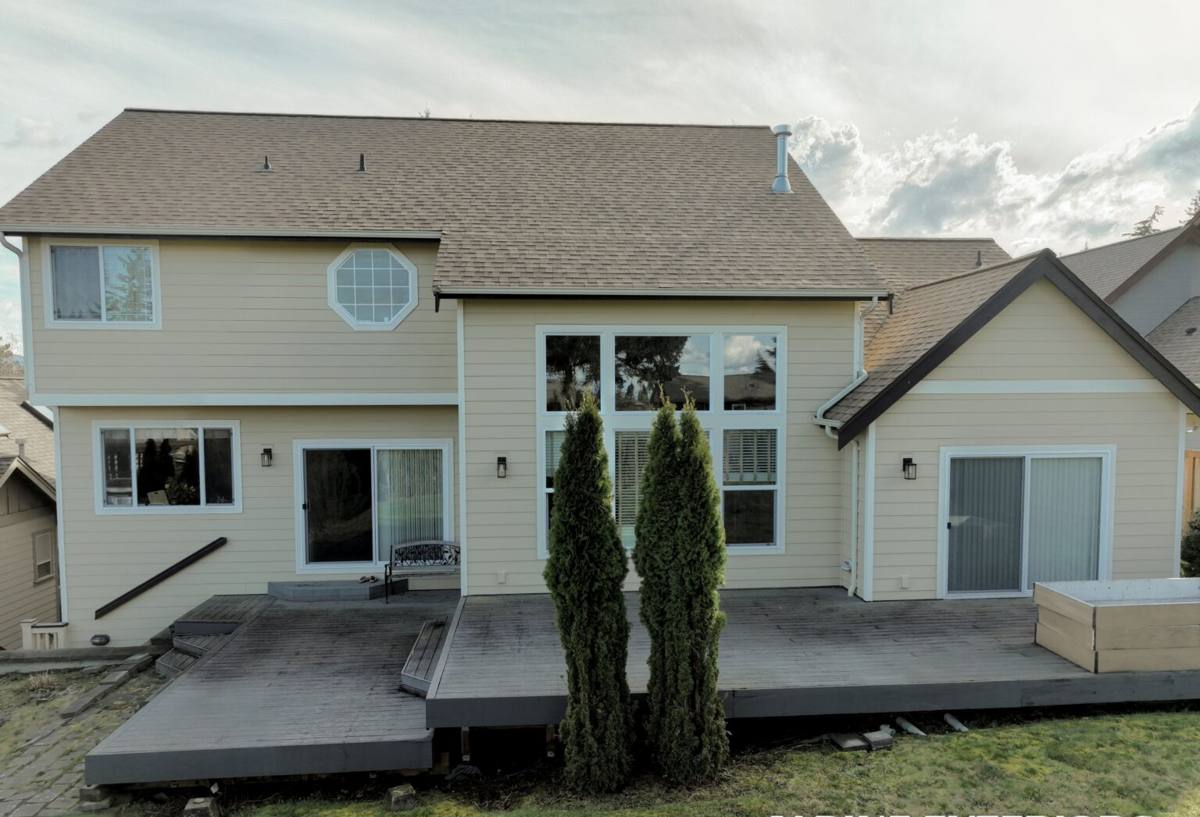
What Clearwater-Area Climate Does to an Outdoor Deck
Every deck in our region deals with the same combination of stresses, but Seminole's waterfront geography concentrates them:
- Hurricane-force wind: Uplift and lateral load on railings, posts, and ledger connections is the number one structural failure point we see after a storm.
- Year-round UV: Florida sun degrades unprotected wood fiber and fades color-coated decking faster than in almost any other part of the country.
- Wind-driven rain: Storms here rarely fall straight down. Rain gets pushed sideways into ledger connections, fastener heads, and any gap where flashing was skipped.
- Salt air: Even a mile or two from open water, airborne salt accelerates corrosion on anything that isn't rated for a marine or coastal environment — fasteners, joist hangers, and railing hardware included.
None of these are things you can "tough out" with a heavier board. They're addressed through material choice, fastener selection, and framing detail — which is where most of the real cost and value in a custom deck actually lives.
Why This Matters More for Waterfront and Canal-Front Lots
If your property backs onto a canal, bayou, or lake, the deck is exposed to reflected sun off the water, standing humidity at ground level, and — on many older Seminole lots — a lower elevation relative to flood maps than homes further inland. That combination shortens the life of an improperly built deck considerably. We treat waterfront lots as their own category, not a variation on a standard build.
Choosing the Right Decking Material for a Seminole Property
There's no single "best" decking material — there's a best material for your specific yard, sun exposure, and how close you are to water. Here's how the common options actually compare under our conditions:
| Material | How it handles UV & salt air | Maintenance | Relative cost |
|---|---|---|---|
| Pressure-treated wood | Fades and grays quickly in full sun; needs sealing to resist moisture and salt-driven corrosion of fasteners | Annual cleaning and re-sealing recommended | Lowest upfront |
| Composite decking | Good UV stability; some early-generation boards can absorb moisture at cut ends near water | Periodic washing; no sealing or staining | Mid-range |
| PVC / capped polymer decking | Best resistance to fading, moisture absorption, and salt exposure; won't support mold growth the way wood can | Occasional washing only | Highest upfront |
| Tropical hardwoods (ipe and similar) | Naturally dense and rot-resistant, but still grays without regular oiling in direct sun | Oiling every 12–18 months to hold color | High, plus ongoing upkeep |
Our honest take: for a shaded lot away from open water, quality pressure-treated wood with proper sealing is a reasonable, budget-conscious choice. For a full-sun waterfront deck, we steer most homeowners toward composite or PVC decking — the moisture and UV exposure simply isn't kind to wood in that setting, and the maintenance savings pay for the price difference over time.
Framing and Fasteners: Where Coastal Decks Actually Fail
The decking surface is the part everyone sees, but it's rarely what fails first in a storm. The failures we get called out to inspect after high wind events are almost always one of these:
- A ledger board bolted to the house without proper flashing, letting wind-driven rain track into the rim joist and rot it from the inside out
- Standard galvanized fasteners and joist hangers that corrode and lose holding strength within a few years of salt air exposure
- Railing posts anchored with inadequate blocking, which is fine under normal use but fails under real lateral wind load
- Footings poured too shallow or undersized for the post load, common on older decks built before current wind-load standards
Our standard for any Seminole deck build includes stainless steel or coated coastal-rated fasteners and hardware, correctly flashed ledger connections, and structural connectors sized to current wind-load requirements — not because it's required on every job, but because it's the difference between a deck that survives its first real storm season and one that doesn't.
Permits, Flood Zones, and Building Code in Pinellas County
Most new decks and full deck replacements in Seminole require a building permit, and decks attached to the house also need a properly engineered ledger connection reviewed as part of that process. A few things that come up often on Seminole projects specifically:
- Flood zone elevation: Many waterfront and canal-front lots in Seminole fall within flood zones that affect how low framing and posts can sit relative to base flood elevation.
- Railing height and spacing: Florida Building Code sets minimum railing heights and maximum baluster gaps, which matter more on elevated waterfront decks than ground-level ones.
- Setback rules: Decks near a seawall, dock, or property line may have setback requirements separate from the main structure.
We handle the permit submission and inspection scheduling as part of the job, but it helps to know upfront that a waterfront deck in Seminole often has a few extra steps compared to a standard backyard build inland.
Design Considerations for Canal and Bayou-Facing Decks
Sun and Shade
A deck facing open water with no tree cover gets far more direct UV exposure than a shaded inland yard. Many homeowners pair the deck with a pergola, shade sail, or roof extension to make the space usable during peak summer sun, and it also meaningfully extends the life of wood decking or furniture on the deck.
Elevation and Access to the Water
If your deck steps down toward a dock or seawall, the transition point needs to account for both flood elevation requirements and simple practicality — steps and landings that stay usable and non-slip when wet, since they'll be walked on with wet feet regularly.
Drainage Underneath
Low-clearance decks over damp, low-lying yards need attention to under-deck ventilation and drainage. Trapped moisture under a deck is one of the most common causes of hidden joist rot in this part of Florida, and it's easy to miss until the deck is already compromised.
Our Process, Start to Finish
- On-site consultation: We walk the yard, check sun exposure, drainage, and — for waterfront lots — proximity to flood zone lines and existing seawalls or docks.
- Design and material selection: We go over decking material options honestly, including trade-offs in cost and maintenance for your specific exposure.
- Permitting: We prepare and submit the permit package, including engineering for the ledger connection where required.
- Footings and framing: Footings sized for the load and soil conditions on your lot, framed with coastal-rated fasteners and connectors throughout.
- Decking, railing, and finish work: Installed per manufacturer spec for the material chosen, with code-compliant railing height and spacing.
- Final inspection: We schedule the required inspection and walk the finished deck with you before calling the job done.
Maintaining a Custom Deck in Seminole's Salt Air
Whatever material you choose, a few habits go a long way in this climate:
- Rinse the deck surface and railing hardware periodically to clear off salt residue, especially after storms
- Check fastener heads and railing connections once or twice a year for early corrosion, particularly on decks closer to open water
- Reseal wood decking on the schedule the sealant manufacturer recommends — Florida sun shortens the effective life of most sealants compared to northern climates
- Keep gutters and nearby drainage clear so water isn't shedding directly onto or under the deck
- Trim back vegetation that's shading the deck constantly, since permanent shade combined with humidity is what actually grows mold and mildew
Why Hire a Crew That Already Works in Seminole
A deck built to a generic national spec will pass inspection almost anywhere. Whether it lasts through its fifth hurricane season in Seminole is a different question. We already know which fastener grades hold up near this city's canals, which lots run into flood zone requirements, and how Pinellas County permitting works in practice — not just on paper. That local familiarity shows up in fewer surprises during permitting, framing decisions that account for your actual lot instead of a textbook one, and a deck that's built for the climate it has to survive, not just the day it's finished.
If you're considering a new custom deck or need to replace one that didn't hold up, we're happy to come take a look. There's no cost and no pressure for an on-site estimate — just an honest assessment of what your yard needs and what it would take to do it right.