 Clearwater Siding
 Decks Near Indian Rocks Beach Work Harder Than Decks Inland
A deck a few blocks from the Gulf lives a different life than one ten miles inland. In Indian Rocks Beach, that deck is dealing with salt-laden air almost every day, direct UV exposure for most of the year, wind-driven rain that finds its way into joints and fastener holes, and the occasional run-in with hurricane-force wind gusts. None of that is unique to any one house — it's just what coastal Pinellas County does to exterior wood and hardware over time. The homes that hold up best aren't the ones with the fanciest decking material; they're the ones that get repaired correctly and on schedule, before small problems turn into structural ones.
This page covers what deck repair actually looks like for homes in and around Indian Rocks Beach — what tends to go wrong first, how we decide what to repair versus replace, and what a repair done right actually involves.
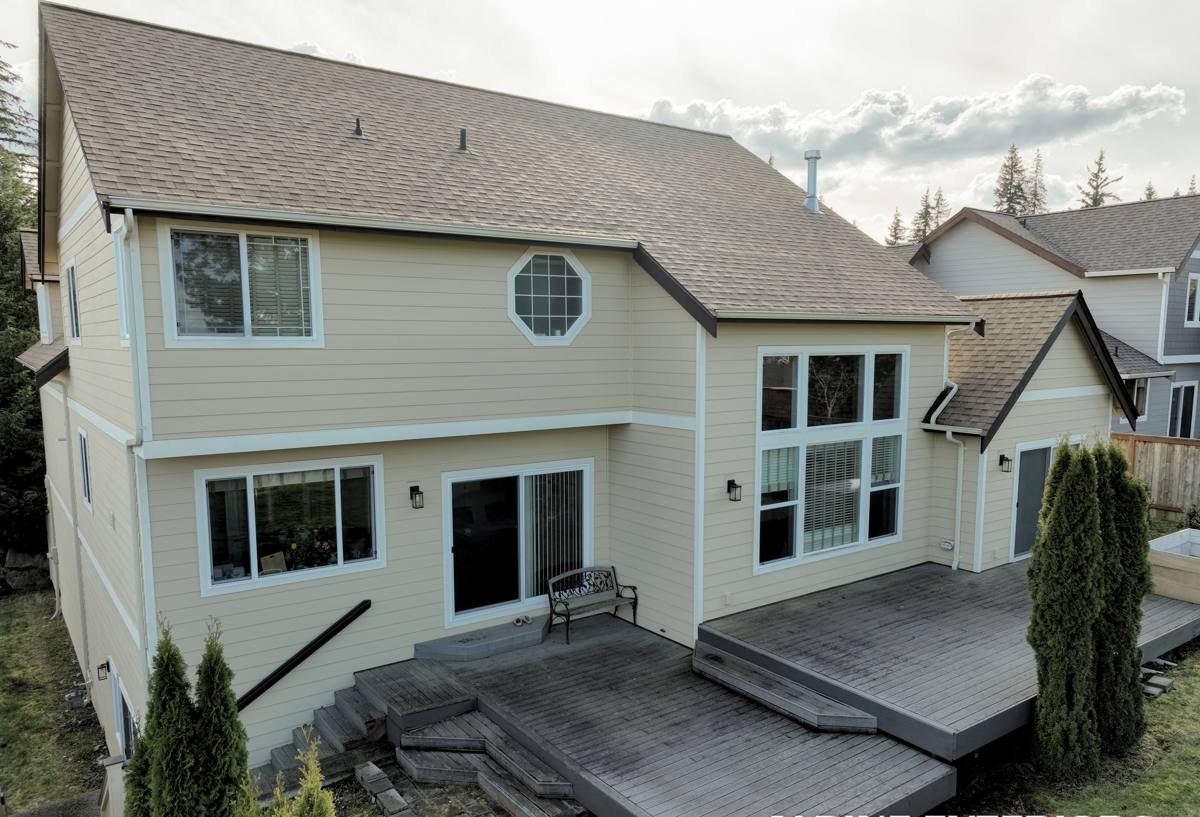
What Actually Fails First on a Coastal Deck
Fasteners and Hardware
In most cases, the decking boards aren't the first thing to go — the fasteners are. Standard galvanized screws and nails corrode faster in salt air than they would a few miles inland, and once a fastener starts to rust, it loses grip strength and can streak or stain the wood around it. Bolts on ledger boards, joist hangers, and post bases are especially important to check, since those connections carry structural load.
Ledger Board and Rim Joist Rot
The ledger board — where the deck attaches to the house — is one of the most common failure points we find. Wind-driven rain gets pushed up under flashing that's aged or was never properly installed, and moisture sits against the house framing without drying out. This is a slow, hidden kind of damage that often isn't visible until a board feels soft or a railing post has some give to it.
Sun Damage on Wood and Composite
Year-round Florida UV breaks down the surface fibers of wood decking, leading to graying, splintering, and checking (those small surface cracks that run with the grain). Composite decking doesn't rot, but it isn't immune to the sun either — older composite products can fade or chalk over years of exposure, and color changes are usually not something a repair can undo on just one board.
Railings and Structural Posts
Railings take direct wind load and get more day-to-day stress than people expect — leaning, kids and pets, patio furniture bumping into them. A railing post that's rotted at the base or a connection that's pulled loose from wind is a safety issue, not just a cosmetic one, and it's one of the first things we check on every deck inspection.
Repair or Replace? How We Make the Call
Not every deck problem means a full rebuild, and not every deck is worth patching. The honest answer usually comes down to how much of the structure is still sound versus how much of the damage is isolated. Here's roughly how we think through it:
| Factor | Leans Toward Repair | Leans Toward Replacement |
|---|---|---|
| Framing / joists | Solid, no soft spots when probed | Soft, spongy, or visibly rotted in multiple areas |
| Ledger board condition | Sound, flashing intact | Rotted, poorly flashed, or attached incorrectly |
| Extent of damage | A few boards, one railing section, isolated fasteners | Damage spread across most of the deck surface |
| Age of the deck | Under 10-15 years, built to a reasonable standard | Original construction is old or was never built to current wind/code standards |
| Post and footing condition | Footings intact, posts plumb and solid | Undersized footings, posts not properly anchored |
We'll always tell you plainly which category your deck falls into. If a repair is genuinely the right call, that's what we'll recommend — a bigger job isn't a better job if it isn't needed.
What a Correct Deck Repair Actually Involves
Structural Inspection First
Before any board is pulled, we check the framing underneath: joists, beams, the ledger connection, and post footings. This is the part that's easy to skip and the part that matters most, because decking that looks fine on the surface can be sitting on framing that's already compromised.
Addressing the Cause, Not Just the Symptom
If rot is showing up because flashing failed or water is pooling somewhere it shouldn't, replacing the damaged board without fixing the water path just buys a year or two before the same spot fails again. A repair that's done right corrects drainage, flashing, and ventilation under the deck, not just the visible damage.
Fastener and Hardware Upgrades
When we're already into a repair, it's the right time to upgrade any standard hardware to coastal-grade, corrosion-resistant fasteners and connectors rated for this kind of exposure. It costs a little more upfront but avoids repeating the same fastener failures a few years down the line.
Matching or Replacing Decking
Depending on the material and how the existing boards have aged, we'll either match new boards into the existing deck or recommend replacing a full section so the finished deck doesn't look patchworked. Composite and wood age differently, so a partial match isn't always realistic — we'll be straight with you about what will and won't blend in.
Wood vs. Composite: What Holds Up Near the Water
Both materials work in Indian Rocks Beach — the difference is in maintenance and how they age.
- Pressure-treated wood: Lower material cost, natural look, but needs regular sealing/staining to resist UV graying and moisture intrusion, especially in a salt-air environment.
- Composite decking: Higher upfront cost, doesn't rot, and needs far less maintenance — but quality varies by product line, and the substructure underneath still needs to be real, treated framing that's inspected and maintained the same as any deck.
- Hardware either way: The decking material matters less than the fasteners and framing underneath it. A composite deck on corroded hardware still fails.
We don't push one material over the other — we'll walk you through the maintenance trade-offs honestly and let you decide what fits your budget and how much upkeep you want to take on.
Our Deck Repair Process
- On-site inspection: We check framing, ledger, footings, railings, and decking surface, and point out anything we find in plain terms.
- Written estimate: A clear scope of what needs repair, what materials we recommend, and why — no guesswork pricing.
- Repair work: Damaged framing, boards, and hardware are addressed, with drainage and flashing corrected where that's the underlying cause.
- Final check: We walk the deck with you before calling the job done, so you know exactly what was fixed and what to watch going forward.
Permits and Code Considerations in Pinellas County
Deck repair work in Pinellas County can require a permit depending on the scope — particularly anything involving structural framing, footings, or railing replacement, since Florida's coastal wind-load requirements are stricter than in a lot of other parts of the country. Cosmetic board replacement is usually more straightforward, but structural work is not the place to cut corners on permitting. We'll tell you upfront if your repair needs a permit and handle that as part of the job, so you're not left guessing about what's required.
Maintenance Checklist for Indian Rocks Beach Homeowners
A little regular attention goes a long way toward avoiding a bigger repair bill later. Between professional inspections, it's worth checking:
- Fasteners and hardware for rust streaks or visible corrosion
- The ledger board area for soft spots or gaps in flashing
- Railings and posts for any looseness or give when pushed
- Board surfaces for splintering, graying, or checking
- The space underneath the deck for standing water or poor drainage
- Any spots where furniture or planters sit directly on boards, trapping moisture
If any of these turn up, it's better to have them looked at before the next storm season rather than after.
Why It Matters to Hire a Crew That Already Works This Area
Deck repair standards that work fine in a drier, inland climate don't always hold up a short distance from the Gulf. A crew that regularly works Indian Rocks Beach and the surrounding Clearwater coastline already knows which fasteners actually last, where flashing tends to fail first, and what Pinellas County expects for permitted structural work — because we see the same failure patterns repeat across coastal homes, not guess at them from a manual. That local, repeat experience is what keeps a repair from becoming a redo two years later.
If you've got a deck in Indian Rocks Beach that's showing rot, loose railings, corroded hardware, or you just want an honest read on its condition, we're glad to take a look. Fill out the form below for a free, no-pressure estimate.