 Clearwater Siding
 Deck Replacement Built for Skycrest's Conditions
Skycrest is one of Clearwater's older, established neighborhoods, and a lot of the decks and outdoor structures we see there were built decades ago under very different building standards than what Pinellas County requires today. A deck that looked solid ten years ago may now be hiding rot in the framing, corroded fasteners, or a ledger board attachment that was never properly flashed. In a climate like ours — hurricane-force wind events, intense year-round UV, wind-driven rain, and salt-laden air moving in off the Gulf and Tampa Bay — decks age faster than most homeowners expect, and they fail in ways that aren't always visible from the surface.
Replacing a deck correctly in Skycrest isn't just about swapping old boards for new ones. It means building an outdoor structure that can actually hold up to Florida's weather cycle: baking sun that breaks down finishes and dries out wood, sudden downpours that drive moisture into every joint and fastener hole, and the occasional tropical system that tests every structural connection at once. This page focuses specifically on deck replacement for this neighborhood — what local homes typically need, what a correct rebuild involves, and why the details matter more here than in most parts of the country.
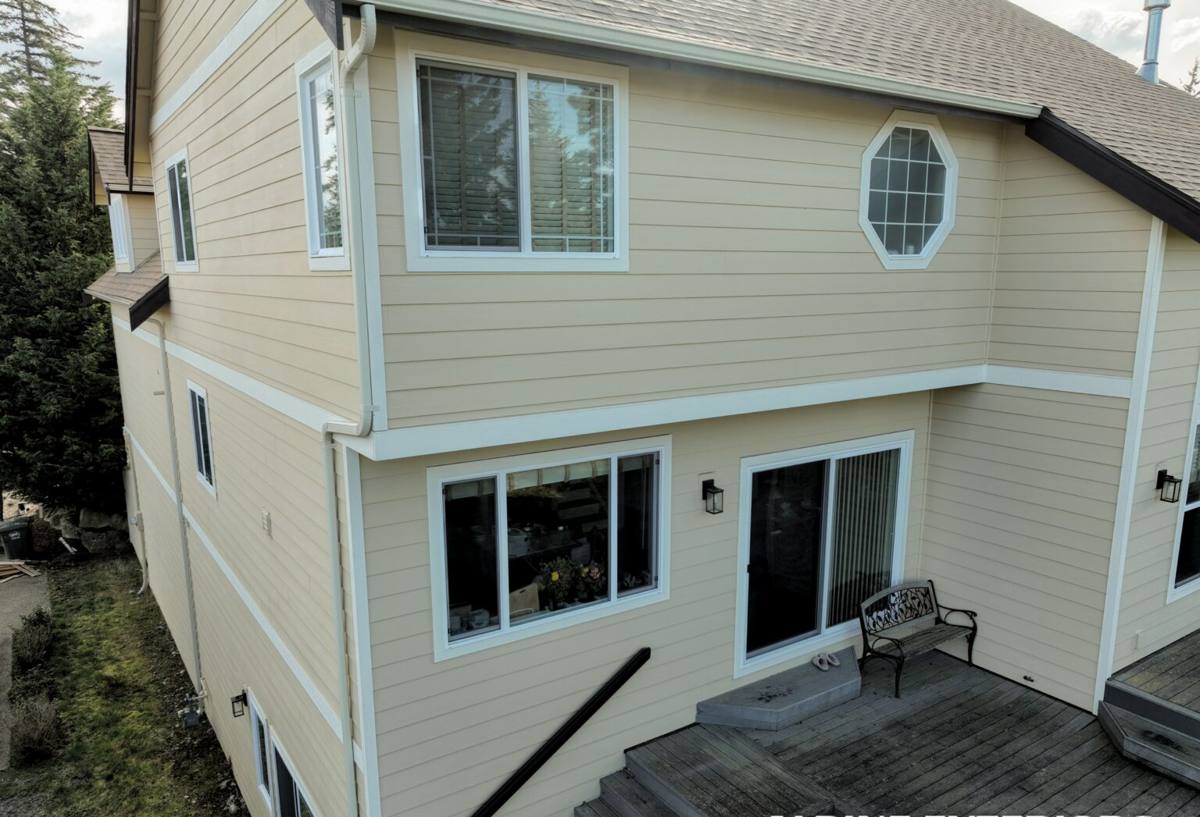
Signs a Skycrest Deck Needs Full Replacement, Not Just Repair
Not every deck problem calls for a full teardown. But there's a point where patching boards or sistering a joist just delays a bigger failure. We look for a combination of the following before recommending replacement over repair:
- Soft, spongy, or visibly sagging deck boards, especially near the house or in shaded areas that stay damp longer
- Rust streaks around fasteners or joist hangers, which usually means the metal is corroding from the inside out
- Wood that's gray, splintering, or checking badly across most of the deck surface rather than in isolated spots
- A ledger board (where the deck attaches to the house) that shows staining, softness, or gaps — this is the single most common failure point we find on older Florida decks
- Railings or posts that feel loose or wobble under light pressure
- A deck that was never permitted or built to current wind-load and attachment standards
If most of a deck's structure is showing these signs at once, replacement is almost always the more honest and more cost-effective recommendation, since repeated spot repairs on a failing frame rarely hold up through another storm season.
What a Correct Deck Replacement Involves Here
Ledger Attachment and Flashing
The ledger board — where the deck ties into the house — is the part most likely to fail first in our climate, because it sits right where wind-driven rain gets pushed against the structure. A correct replacement uses proper flashing to keep water from tracking behind the ledger and into the house framing, along with through-bolted connections rated for the loads involved. This is one of the areas where cutting corners doesn't show up as a problem for a year or two — it shows up as hidden rot that's expensive to fix once it's found.
Fasteners and Hardware
Salt air reaches well inland from the coast, and Skycrest is close enough that standard hardware corrodes faster than it would further inland. We use stainless steel or hot-dip galvanized fasteners and connectors rated for coastal exposure, not the cheaper coated hardware that can start rusting within a couple of seasons. Joist hangers, post bases, and structural screws all get the same treatment — the hardware holding a deck together matters as much as the decking on top of it.
Framing and Wind-Resistant Connections
Florida's building code has tightened considerably since past hurricane seasons exposed weak points in older residential construction, and deck framing is no exception. A proper replacement uses appropriately sized and spaced joists, correctly rated post connections, and hurricane-rated hardware at key structural points so the deck can handle high-wind events rather than becoming a liability during one.
Drainage and Ventilation
Decks built low to the ground or over poorly draining yards trap moisture underneath, which accelerates rot and invites pests. Where grading allows, we build in enough clearance and airflow underneath the deck so the structure can actually dry out between Florida's frequent rain events instead of staying damp for days.
Decking Material Options for Pinellas County Conditions
Material choice matters more here than in drier, cooler climates, because UV exposure and humidity are constant, not seasonal. Here's how the common options compare for a Skycrest deck specifically:
| Material | Upfront Cost | Maintenance | How It Handles Our Climate |
|---|---|---|---|
| Pressure-Treated Wood | Lowest | Regular sealing/staining needed | Affordable and repairable, but UV and humidity shorten the interval between refinishing; needs consistent upkeep to avoid graying and splintering |
| Composite Decking | Mid to upper-mid | Low — occasional cleaning | Resists rot and doesn't need staining; quality varies by product, so board density and fade warranty matter more here than in milder climates |
| PVC/Capped Decking | Highest | Lowest | Best moisture and UV resistance of the common options; performs well near salt air, at a higher upfront cost |
| Tropical Hardwoods | High | Moderate — periodic oiling | Naturally dense and rot-resistant, but still needs UV protection to prevent graying and surface checking over time |
There's no single "correct" material for every homeowner — budget, how much upkeep you want to take on, and how the deck is used (pool deck, entertaining space, quiet sitting area) all factor in. Part of an honest estimate is walking through these trade-offs for your specific deck rather than pushing one product line.
Our Deck Replacement Process
1. On-Site Assessment
We look at the existing deck's framing, ledger condition, footings, and any signs of past water intrusion before quoting anything. This tells us whether full replacement is actually necessary and what the new structure needs to account for.
2. Removal
Old decking, framing, and hardware come out, including anything hidden that turns out to be compromised. We check the ledger area and house framing behind it once it's exposed, since that's where hidden rot most often shows up.
3. Framing and Structural Connections
New joists, posts, and ledger attachment go in using corrosion-resistant hardware and connections sized for Florida wind-load requirements, not just minimum code.
4. Decking, Railings, and Fastening
Your chosen decking material is installed with fasteners and clips appropriate to that product, along with code-compliant railings and stair connections.
5. Final Walkthrough and Inspection
We review the finished deck with you, and where permitting applies, coordinate the required inspection so the work is documented and compliant.
Permitting and Code Compliance in Clearwater
Deck replacement in Pinellas County generally requires a permit, particularly when the structure is being rebuilt rather than simply re-decked with the same framing. Permitted work means the framing, attachment, and hardware get inspected against current Florida Building Code requirements — which matters for insurance, resale, and simple peace of mind that the structure was actually checked by someone other than the crew that built it. We handle the permitting process as part of the job rather than leaving it to the homeowner to sort out.
Maintaining Your New Deck in a Gulf Coast Climate
Even a well-built deck needs some ongoing attention in this climate. A simple maintenance routine keeps a new deck performing for years:
- Rinse off salt residue, pollen, and debris every few weeks, more often if you're closer to the water
- Check fastener heads and railings once or twice a year for early signs of loosening or corrosion
- Reseal or restain wood decking on the schedule recommended for that specific product — UV exposure here shortens typical intervals
- Keep gutters and downspouts clear so runoff isn't dumping extra water onto or under the deck
- Trim back vegetation that keeps sections of the deck shaded and damp longer than the rest
Why Hiring a Crew That Already Works in Skycrest Matters
A deck built to a generic national standard isn't necessarily built for what this neighborhood actually deals with — the specific mix of older housing stock, salt-influenced air, and Florida's wind and rain patterns. A crew that regularly works in Skycrest and the surrounding Clearwater area already knows which hardware holds up, which ledger conditions are common on homes of this era, and what Pinellas County inspectors expect to see. That familiarity shows up in fewer surprises during the project and a deck that's built for the conditions it will actually face, not just the conditions on a spec sheet.
Get an Honest Look at Your Deck
If your Skycrest deck is showing its age or you're planning a rebuild, we're happy to take a look and give you a straightforward, no-pressure estimate — what shape it's really in, what a proper replacement would involve, and what your material options look like for your budget. Use the form below to get started.