 Clearwater Siding
 Building or Rebuilding in Sunset Point? Your Windows Are a Structural Decision, Not Just a Style Choice
Sunset Point sits close to the water on the west side of Clearwater, which means homes here take the full brunt of what Pinellas County's coastal weather can dish out — sun, salt, wind, and the occasional direct hit from a tropical system. When you're framing a new home or doing a full rebuild in this neighborhood, the windows you choose and how they're installed matter as much as the roof over your head. A new-construction window isn't a retrofit or a pocket replacement — it's set into a rough opening before the exterior finish goes on, which means the flashing, the fastening schedule, and the water management details all have to be right the first time. There's no siding or stucco to patch around later if it's done wrong.
We've installed new-construction windows on homes throughout Clearwater and specifically in and around Sunset Point, and we've seen what holds up here and what doesn't. This page walks through what a correct new-construction window install looks like for this specific area, not a generic checklist that could apply anywhere in Florida.
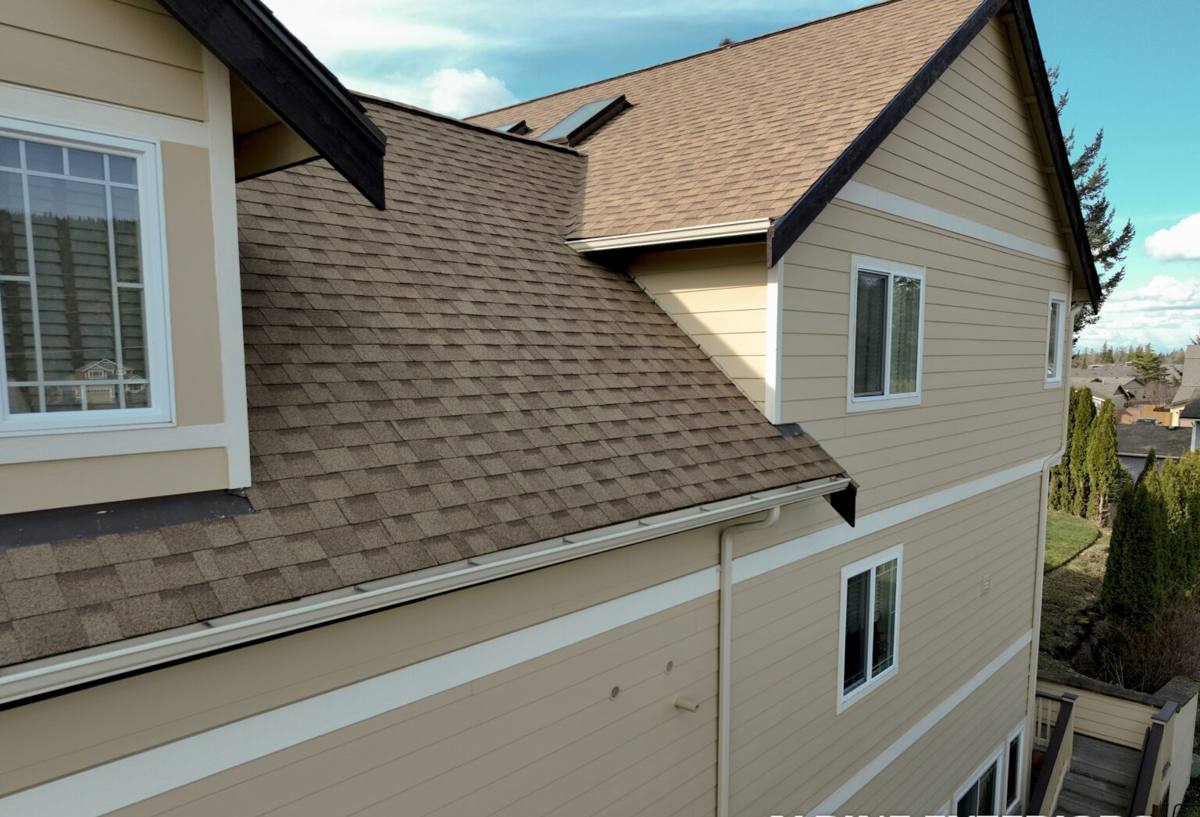
What Clearwater's Climate Actually Does to a Window Over Time
Every window in Sunset Point faces four stresses at once, and they compound each other:
- Hurricane-force wind loads: Pinellas County sits in an area where wind speed design requirements are serious business. A window that isn't rated and installed for the design pressure your specific elevation requires is a liability during any named storm, not just a "big one."
- Wind-driven rain: Florida storms don't just drop rain — they push it sideways and upward, forcing water into gaps that would never leak in a typical rainstorm elsewhere. Flashing and sealant details have to account for water moving in directions gravity alone wouldn't suggest.
- Intense, near year-round UV exposure: Frame materials, vinyl components, and even glass coatings degrade faster here than in northern climates. UV breaks down cheap vinyl and rubber gaskets, leading to warping, discoloration, and seal failure years before it would happen in a milder climate.
- Salt air: Being close to Clearwater Harbor and the Intracoastal Waterway means airborne salt is a constant, low-grade corrosive force on hardware, screws, and any exposed metal components — even for homes not directly on the water.
None of these four factors is exotic on its own. What makes Sunset Point demanding is that a window here deals with all four simultaneously, year after year. That's why a window and installation method that's "fine" in a drier, calmer part of the country can fail here well before its expected service life.
Impact Ratings, Codes, and What "Correct" Actually Means Here
Florida Building Code and Design Pressure
New-construction windows in Pinellas County have to meet the wind load and impact requirements laid out in the Florida Building Code for our wind zone. That means every window installed needs a design pressure (DP) rating appropriate to the home's height, exposure category, and location relative to the coast — plus, in most cases, impact-resistant glazing or an approved protective system. This isn't a suggestion; it's inspected and permitted work. A window that's correctly rated for a home a few miles inland may not be correctly rated for a home closer to open water, so the rating has to match the specific site, not just "Florida" in general.
Product Approvals
Every window used should carry a current Florida Product Approval or Miami-Dade Notice of Acceptance (NOA) documentation appropriate to its intended use, and that documentation needs to match how the window is actually installed — anchor type, spacing, and substrate all matter. A window with the right paperwork installed the wrong way loses its rating in practice, even if it looks fine from the street.
Choosing the Right Window Type and Frame Material
There's no single "best" window for every new-construction project in Sunset Point — the right choice depends on the home's design, budget, and exposure. Here's how the common frame materials stack up under our specific conditions:
| Frame Material | UV/Salt Air Performance | Maintenance | Typical Fit for Sunset Point |
|---|---|---|---|
| Vinyl (quality, impact-rated) | Good when UV-stabilized; won't corrode from salt | Low — no painting, occasional cleaning | Strong value choice for most new builds |
| Aluminum | Strong structurally, but standard hardware can corrode near the water without marine-grade fasteners | Moderate — hardware and finish need attention | Works well when detailed correctly, common in Florida new construction |
| Fiberglass | Excellent — very stable in heat/UV, doesn't corrode | Low | Premium option for owners prioritizing longevity |
| Wood-clad | Poor without diligent upkeep; humidity and salt air accelerate wear | High — regular sealing/finishing required | We generally steer new-construction clients away from unclad wood in this location due to the maintenance burden, not because the look isn't nice |
Glass package matters as much as frame material. For Sunset Point, we typically recommend impact-rated laminated glass with a Low-E coating tuned for our climate — it cuts UV-driven fading and heat gain inside the home while still meeting code for wind-borne debris protection. Tint and coating specifics should be matched to each elevation's sun exposure, not applied uniformly across the whole house.
Our New-Construction Installation Process
Rough Opening and Flashing
Before a window ever goes in, we check that the rough opening is square, correctly sized, and that the sill pan and flashing sequence is set up to shed water outward — not trap it against the framing. This step is invisible once the exterior finish goes on, which is exactly why it has to be right the first time. A shortcut here is the single most common cause of hidden water intrusion in new Florida homes.
Setting and Fastening
The window gets set plumb, level, and square, then fastened according to the manufacturer's tested and approved schedule — correct fastener type, spacing, and embedment into structural framing. This is where the product's impact rating either holds up in the real world or doesn't; the paperwork means nothing if the anchoring doesn't match it.
Sealing and Weatherproofing
We seal with products rated for exterior, UV, and coastal exposure — not general-purpose caulk that will chalk and crack within a couple of Florida summers. Backer rod, sealant, and integration with the house wrap or weather-resistant barrier all have to work together as one continuous water management system around the opening.
Final Check
Every window gets checked for smooth operation, tight seal, and correct hardware function before we consider the job finished — and we document the install for the permit inspection process.
Common Mistakes We See in New-Construction Window Installs
When we're brought onto a project after another crew has started, or asked to inspect work before closing, these are the recurring problems:
- Flashing installed in the wrong sequence, directing water into the wall cavity instead of away from it
- Fasteners that don't match the tested assembly, quietly voiding the impact rating
- Gaps around the frame filled with expanding foam alone, with no proper sealant or backer rod
- Standard (non-marine-grade) hardware and fasteners used on homes close to the water, leading to early corrosion
- Design pressure rating that doesn't match the home's actual height or exposure category
- Missing or incomplete product approval documentation, which becomes a real problem at permit closeout or during a future insurance claim
Every one of these is preventable, and every one of them is far cheaper to avoid during construction than to fix after the siding, stucco, or interior finish is already in place.
Why Hiring a Crew That Already Works Sunset Point Matters
A window installer who mostly works inland or in a different state doesn't automatically know Pinellas County's permitting process, our specific wind zone requirements, or how quickly salt air chews through the wrong hardware. Working regularly in and around Sunset Point means we already know the local building department's expectations, we're used to coordinating with builders and other trades on new-construction timelines, and we've seen firsthand which combinations of frame, glass, and flashing hold up here over years — not just on installation day. That local track record is worth more than a lower bid from a crew that's guessing at Florida-specific requirements for the first time.
Cost Factors for New-Construction Windows
Pricing for a new-construction window package depends on several variables that are worth discussing honestly before you budget a number:
| Factor | How It Affects Cost |
|---|---|
| Window count and size | More openings and larger units (picture windows, large sliders) raise material and labor cost directly |
| Frame material | Vinyl is typically the most budget-friendly; fiberglass and premium aluminum systems cost more upfront |
| Glass package | Impact-rated laminated glass with Low-E coatings costs more than basic glazing but reduces long-term energy and fading costs |
| Design pressure requirements | Higher-rated assemblies for more exposed elevations or taller homes cost more than standard-rated units |
| Complexity of openings | Custom shapes, oversized openings, or unusual framing conditions add labor time |
We'd rather walk a homeowner or builder through these trade-offs honestly during an estimate than quote a number that doesn't reflect the real scope. Broad budget ranges are easy to give in person once we know your window count, sizes, and the home's exposure — it's not something we ballpark blind.
Protecting Your Investment After Installation
Even a correctly installed, properly rated window needs some basic upkeep in this climate. Rinse frames and hardware periodically to clear salt residue, especially if you're within a few blocks of the water. Check exterior sealant lines annually for cracking or separation, particularly after hurricane season. Keep weep holes clear of dirt and debris so water can drain as designed. And avoid pressure-washing directly at seals and weatherstripping, which can force water past a seal that would otherwise hold fine against wind-driven rain.
If you're framing a new home or planning a rebuild in Sunset Point, we're glad to walk the plans with you, talk through window and glass options for your specific elevations, and give you a straightforward, no-pressure estimate. There's a form below — reach out and we'll get you scheduled.