 Clearwater Siding
 Siding Installation Built for Del Oro's Climate
Homes in the Del Oro area of Clearwater sit inside one of the toughest climates in the country for exterior building materials. Between hurricane-force wind events, relentless year-round UV exposure, wind-driven rain that finds every gap in a wall assembly, and the corrosive effect of salt-laden air blowing in off the Gulf, siding here does not get an easy life. A product or installation method that performs fine in a drier, milder climate can fail years early once it's asked to handle what Pinellas County throws at it every summer and every hurricane season.
That reality shapes everything about how we approach a siding installation in this neighborhood. We install James Hardie fiber cement siding exclusively, and we install it to a standard built around what actually holds up here — not the national average, and not what's cheapest to install quickly.
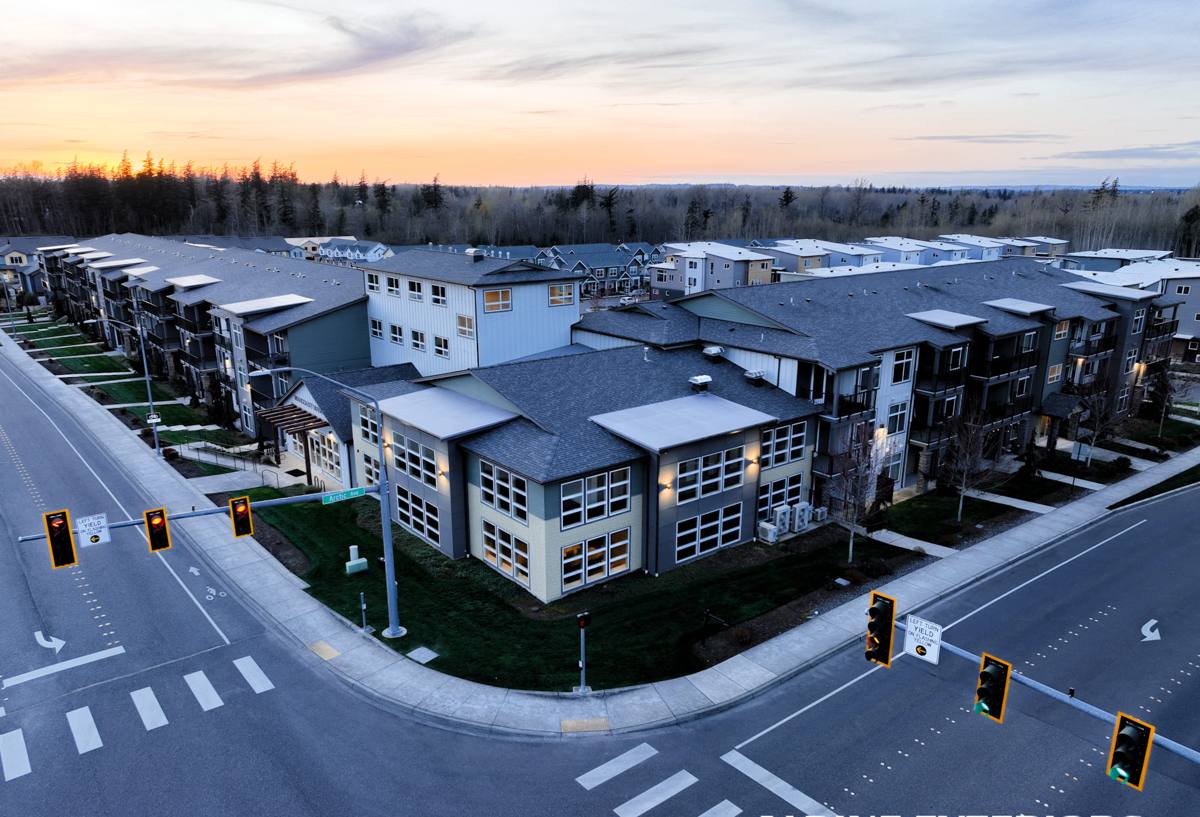
What Del Oro Homes Actually Need From Their Siding
Wind Resistance That Doesn't Rely on Luck
When storm season brings sustained high winds and gusts, siding failure almost always starts at the fasteners and the edges, not the field of the wall. Panels that are under-fastened, fastened with the wrong nail pattern, or installed without the correct clearances at corners and openings are the ones that end up peeling off in a storm. James Hardie's HZ5 product line is engineered specifically for high-wind, high-moisture climate zones like ours, but the product only performs to that rating when the fastening schedule and installation details match Hardie's own specifications.
Moisture Management, Not Just Moisture Resistance
Wind-driven rain in this part of Florida doesn't fall straight down — it gets pushed sideways into walls, especially on the sides of a house that face open exposure. Good siding installation isn't just about the panel material; it's about the drainage plane behind it. Proper water-resistive barrier, correctly lapped and taped seams, and a rainscreen gap where called for all matter as much as the siding itself. Skip these details and moisture gets trapped behind the cladding, where it causes rot, mold, and sheathing damage long before anyone notices a problem from the outside.
UV and Color Stability
Florida sun is intense and constant, and it's hard on paint. Field-applied paint on wood or fiber cement siding chalks, fades, and needs recoating on a cycle that most homeowners don't want to keep up with. This is one of the core reasons we only install James Hardie's ColorPlus finish — it's baked on at the factory under controlled conditions, holds color significantly longer than field-applied paint, and comes with its own finish warranty.
Salt Air Corrosion
Even a few miles inland from the Gulf, salt in the air accelerates corrosion of anything metal on the exterior of a home — fasteners, flashing, trim accessories. Fiber cement itself doesn't corrode, but the installation only holds up long-term if the fasteners, flashing, and any exposed metal components are rated for coastal exposure. This is an easy detail to get wrong on a rushed job, and it's one of the first things we check on every installation.
What a Correct Siding Installation Actually Involves
A siding installation is a system, not just panels nailed to a wall. Doing it right in Del Oro's climate means getting every layer correct, in order:
- Removal of old siding and inspection of the sheathing underneath for rot, water damage, or soft spots
- Repair or replacement of any damaged sheathing before anything new goes up
- Installation of a code-compliant water-resistive barrier with correctly lapped and sealed seams
- Proper flashing at windows, doors, and any wall penetrations
- Correct fastener type, spacing, and penetration depth per James Hardie's published installation specifications for our wind zone
- Correct clearances from rooflines, decks, and grade to keep water from wicking into the bottom of the panels
- Caulking and sealing only where Hardie's specifications call for it — over-caulking can trap moisture just as easily as under-caulking
- Final inspection of trim, corners, and butt joints for consistent, weather-tight detailing
Skipping or rushing any one of these steps is how a siding job looks fine for the first year or two and then starts causing problems — problems that are far more expensive to fix once they're behind the wall than they would have been to prevent during installation.
Our Process for a Del Oro Installation
1. On-Site Assessment
We start with a walk-around of the home to look at current siding condition, trim and flashing details, and any signs of existing moisture intrusion. This tells us what we're actually working with before we quote anything.
2. Product and Line Selection
We walk homeowners through the relevant James Hardie product lines and ColorPlus color options for their home's style and exposure, and explain any tradeoffs so the decision is an informed one, not a guess.
3. Sheathing and Substrate Check
Before new siding goes up, we confirm the substrate underneath is sound. Installing new siding over damaged sheathing just hides a problem that will resurface later.
4. Installation to Manufacturer Specification
Our crews install to James Hardie's published specifications for fastening, clearances, and flashing — not a shortcut version of them. This is what keeps the manufacturer's warranty intact and what actually determines how the siding performs in a real storm.
5. Final Walkthrough
We review the completed work with the homeowner, covering what was done, what warranty coverage applies, and any basic care recommendations going forward.
Why Working With a Crew That Already Knows This Area Matters
Siding installation isn't a one-size-fits-all job across Florida, let alone across the country. A crew that mainly works inland, milder climates may not default to coastal-rated fasteners, may not think through wind-driven rain exposure on the right elevations, or may not be as deliberate about flashing details that matter more here than they do elsewhere. A crew that regularly works in Clearwater and the surrounding Pinellas County communities has already run into the specific failure points that this climate causes, and builds around them as a matter of habit rather than an afterthought.
That local familiarity also matters for permitting and code compliance. Wind zone requirements and local building code particulars are part of what governs a compliant installation here, and a contractor who works this area regularly stays current on those requirements rather than looking them up for the first time on your job.
James Hardie: Why It's the Only Product We Install
We install James Hardie fiber cement siding exclusively — we do not install vinyl, LP SmartSide, Cemplank, Allura, or primed wood siding. That's a deliberate standard, not a limitation in what we're capable of installing. Fiber cement is non-combustible, holds up to the wind and moisture demands of this climate far better than vinyl, and with the ColorPlus factory finish, avoids the recurring repaint cycle that field-painted products need under intense Florida sun. James Hardie also backs its HZ5 products with a strong, transferable warranty when installation follows their specifications — which is exactly why we install to spec every time, not just when it's convenient.
Cost Factors for a Del Oro Siding Installation
Every home is different, and we don't quote a job without seeing it, but these are the main factors that drive cost on a siding installation in this area:
| Factor | Why It Affects Cost |
|---|---|
| Home size and wall complexity | More square footage, corners, and architectural detail means more material and labor time |
| Sheathing condition | Rot or water damage found during removal requires repair before new siding goes on |
| Product line and profile | Different Hardie lines and siding profiles (lap, shingle, panel) carry different material costs |
| Trim and accessory scope | Corner boards, window trim, and fascia work add to labor and material |
| Story height and access | Second-story and hard-to-access walls take more time and equipment to work safely |
| Removal and disposal | Tear-off and haul-away of existing siding is part of most full installations |
Signs Your Del Oro Home May Need New Siding
A few things worth having looked at, even if the siding still looks okay from the curb:
- Visible cracking, buckling, or warping in panels
- Soft spots when you press on the siding near the base of the wall
- Paint that's chalking, peeling, or fading unevenly
- Gaps opening up at seams, corners, or trim
- Signs of moisture or staining on interior walls that share an exterior wall
- Siding that's original to a home built more than 20-25 years ago
If you're weighing a siding installation for a home in Del Oro, we're happy to take a look and give you a straightforward, no-pressure estimate — no obligation, just an honest read on what your home actually needs.