 Clearwater Siding
 Window Installation Built for Del Oro's Climate
Homes in the Del Oro area of Clearwater sit in one of the more demanding climates in the country for exterior components. Between hurricane-force wind events, relentless year-round UV exposure, wind-driven rain, and salt-laden air moving in off the Gulf, windows here take a beating that homes further inland simply don't experience. A window that's correctly rated, correctly flashed, and correctly installed will hold up for decades. One that isn't will show problems — fogging, leaking, stress cracks, hardware failure — years before it should.
We install windows throughout Clearwater and the surrounding Pinellas County area, and Del Oro is part of our regular service territory. That matters more than it might sound like, because window installation isn't a one-size-fits-all job. The right approach depends on the home's age, its construction, its wind exposure, and what code requires in this specific part of the county. This page covers what a proper installation actually involves and what to expect if you're planning a window project in Del Oro.
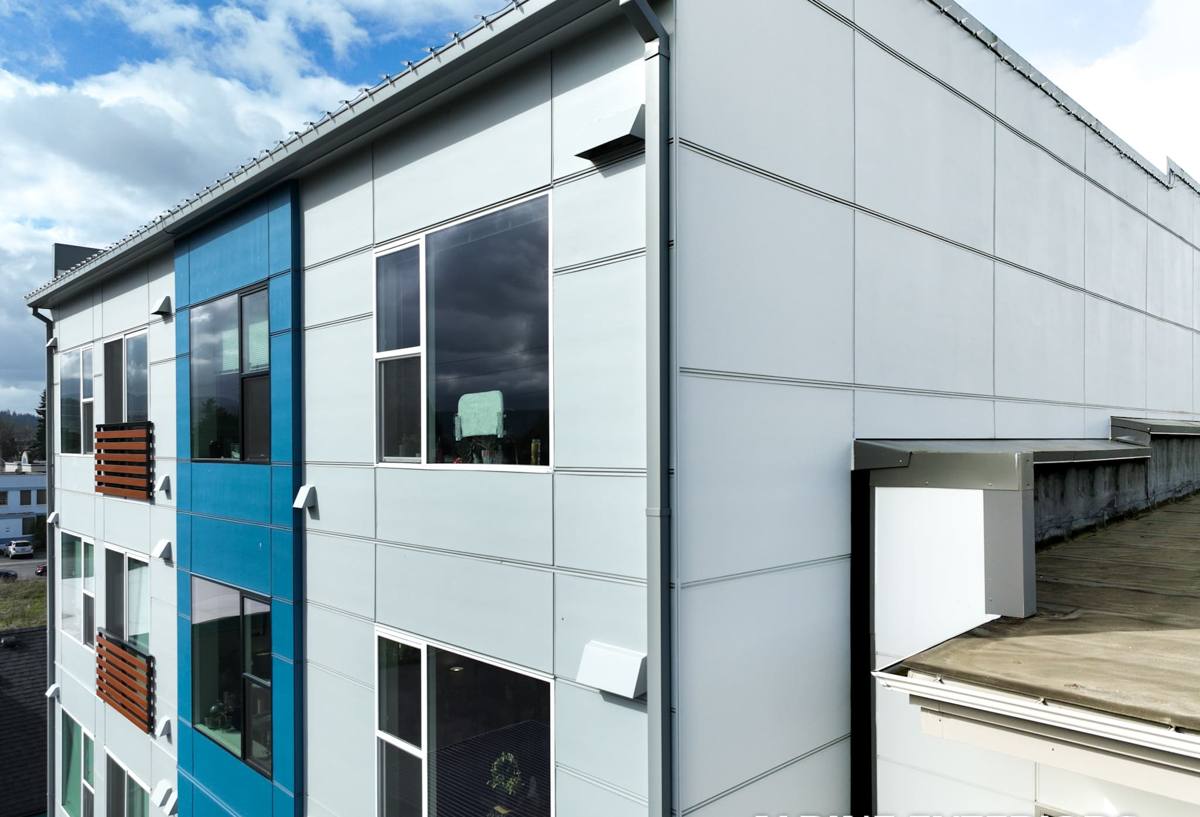
What Pinellas County Climate Does to Windows Over Time
Wind Load and Hurricane Exposure
Clearwater sits in a high-velocity hurricane zone, and Pinellas County's building code reflects that. Windows here need to be rated for the wind pressures and, in many cases, the windborne debris impact requirements that apply to this part of Florida. This isn't just a matter of picking a sturdier-looking window — it's about matching a window's design pressure (DP) rating and impact rating to what the specific wall opening and exposure category require. A window that's fine in a low-wind inland state can fail here, and failure during a storm means water intrusion into the wall cavity, or worse.
UV Degradation
Florida sun is intense and constant. Over years, UV exposure breaks down vinyl frames, dries out and cracks sealants, and fades finishes unevenly depending on a window's orientation. Lower-quality vinyl can warp or become brittle. This is one reason frame material and glass coatings matter as much as the installation itself — a window with poor UV resistance will look and perform worse every year, regardless of how well it was installed.
Wind-Driven Rain
Florida storms don't just drop rain straight down — wind pushes it sideways and up under trim, around frames, and into any gap in the flashing. This is the number one cause of window-related water damage we see, and it's almost always a flashing and sealant detail failure, not a failure of the window unit itself. Correct water management around the opening is arguably more important than the window brand.
Salt Air Corrosion
Even a few miles from the immediate coastline, salt air accelerates corrosion of hardware, screws, fasteners, and window operating mechanisms. Standard fasteners and hardware that would last decades in a dry inland climate can start corroding within a few years near the Gulf. This is why fastener and hardware selection is a real decision on every job, not an afterthought.
What a Correct Window Installation Actually Involves
A window installation is judged by what you can't see once it's done. The visible trim and caulk line are the last five percent of the job. The parts that determine whether the window lasts are underneath.
- Opening prep and inspection: checking the rough opening for square, level, and any existing water damage or rot in the surrounding structure before anything new goes in
- Correct product selection: matching the window's DP rating, impact rating (where required), and frame material to the specific wall and exposure
- Proper flashing sequence: installing sill pan flashing, side flashing, and head flashing in the correct shingle-lap order so water is directed out, not trapped in the wall
- Sealant selection and placement: using sealants rated for exterior, high-UV exposure, applied at the right points — not smeared everywhere as a substitute for proper flashing
- Corrosion-resistant fastening: hardware and fasteners suited to a salt-air environment
- Shimming and squaring: setting the window plumb, level, and square so it operates correctly and doesn't stress the frame over time
- Interior and exterior finish work: trim, caulking, and paint-ready or finish-ready detailing
- Final operation check: confirming smooth operation, proper locking engagement, and no air or water gaps
Skipping or rushing any one of these steps is how a window that looks fine on installation day ends up leaking, sticking, or failing inspection a few years later.
Frame Material and Glass: What Actually Holds Up Here
Frame Material Trade-Offs
Vinyl, aluminum, fiberglass, and composite frames all have a place, but not all are equally suited to Del Oro's combination of UV and salt exposure. Vinyl has improved significantly and, with UV-stabilized formulations, performs well and is budget-friendly, but lower-grade vinyl can discolor or warp over time. Aluminum is strong and holds up well structurally but conducts heat and can corrode faster near the coast unless it's properly coated. Fiberglass and composite frames tend to handle UV and thermal cycling the best but come at a higher price point. We'll walk through the honest trade-offs of each based on your home and budget rather than pushing one material as a default.
Impact-Rated vs. Standard Glass with Shutters
In much of Pinellas County, homeowners have a choice between impact-rated windows or standard windows paired with code-compliant shutters or panels. Impact glass costs more upfront but requires no separate storm prep — the protection is built into the window. Shutters cost less upfront but require you to deploy them before every storm and store them the rest of the year. Neither choice is wrong; it depends on budget and how much you want storm prep to be part of your routine.
Comparing Your Options
| Factor | Impact-Rated Windows | Standard Windows + Shutters |
|---|---|---|
| Upfront cost | Higher | Lower |
| Storm prep required | None — always protected | Must install shutters before each storm |
| Noise and UV reduction | Generally better, day to day | No day-to-day benefit |
| Insurance impact | Often qualifies for wind mitigation credits | Depends on shutter type and rating |
| Maintenance | Standard window care | Shutters need periodic maintenance too |
We'll go over how each option applies to your specific home and give you honest numbers before you decide — this is a case where the "better" choice really does depend on your situation, not a universal answer.
Our Process for Del Oro Window Projects
- On-site assessment: we look at your current windows, the surrounding wall condition, and your home's exposure to determine what rating and product fit is appropriate
- Honest product recommendation: we present options across a few price and performance tiers, explaining trade-offs rather than steering you to the most expensive option
- Permitting: window replacement in Pinellas County typically requires a permit, especially for impact-rated or structural changes — we handle this so you're not left navigating it alone
- Installation: full removal of old units, opening inspection and any needed repair, correct flashing and sealing, and precise setting of each new window
- Final walkthrough: we check operation, seals, and finish work with you before calling the job complete
Why Local Experience with Del Oro Homes Matters
A crew that works this specific part of Clearwater regularly knows the common construction types in the area, has already dealt with the local permitting process, and understands what wind exposure category applies here without having to guess. That translates into fewer surprises mid-project — no discovering a code requirement halfway through, no permit delays from missing documentation, no mismatch between the window ordered and what the opening actually needs. It also means we're accountable locally; we're not a crew passing through, we're doing work in your neighborhood on an ongoing basis.
Signs It's Time to Replace Rather Than Repair
- Fogging or condensation between panes (a sign the seal has failed)
- Windows that are difficult to open, close, or lock properly
- Visible frame warping, cracking, or soft spots from water damage
- Drafts or water intrusion around the frame during storms
- Frames that are original to an older home and predate current wind code
- Rising energy bills tied to poor seals rather than HVAC issues
If you're only seeing one or two of these on a newer window, a repair may be enough. Multiple signs, or an older window, usually points to replacement being the more cost-effective long-term choice.
Get an Honest Assessment for Your Home
If you're weighing a window project for your Del Oro home, we're happy to come take a look, explain what your specific home needs, and give you straight numbers — no pressure, no upsell tactics. Reach out using the form below to schedule a free estimate.