 Clearwater Siding
 Deck Building in Dunedin: Built for Real Gulf Coast Conditions
Dunedin sits on the Pinellas County coastline, which means any deck built here has to earn its keep against a tougher set of conditions than a deck going up in a landlocked town. Salt-laden air rolls in off the water, the sun is intense nearly every day of the year, and afternoon storms bring wind-driven rain that finds its way into every gap and fastener hole a builder left unsealed. A deck that's framed and finished the same way you'd build one two states north will start showing problems in Dunedin within a couple of seasons — corroding hardware, cupped boards, soft spots where water pooled instead of draining. We build decks for this specific coastal Pinellas County climate, not a generic one.
This page is about deck building specifically for Dunedin homes — what the local conditions demand, what a properly built deck actually involves, and how our process works from first visit to final walkthrough. If you're comparing quotes or just trying to understand what "correct" looks like before you commit to a contractor, this should give you a straight answer.
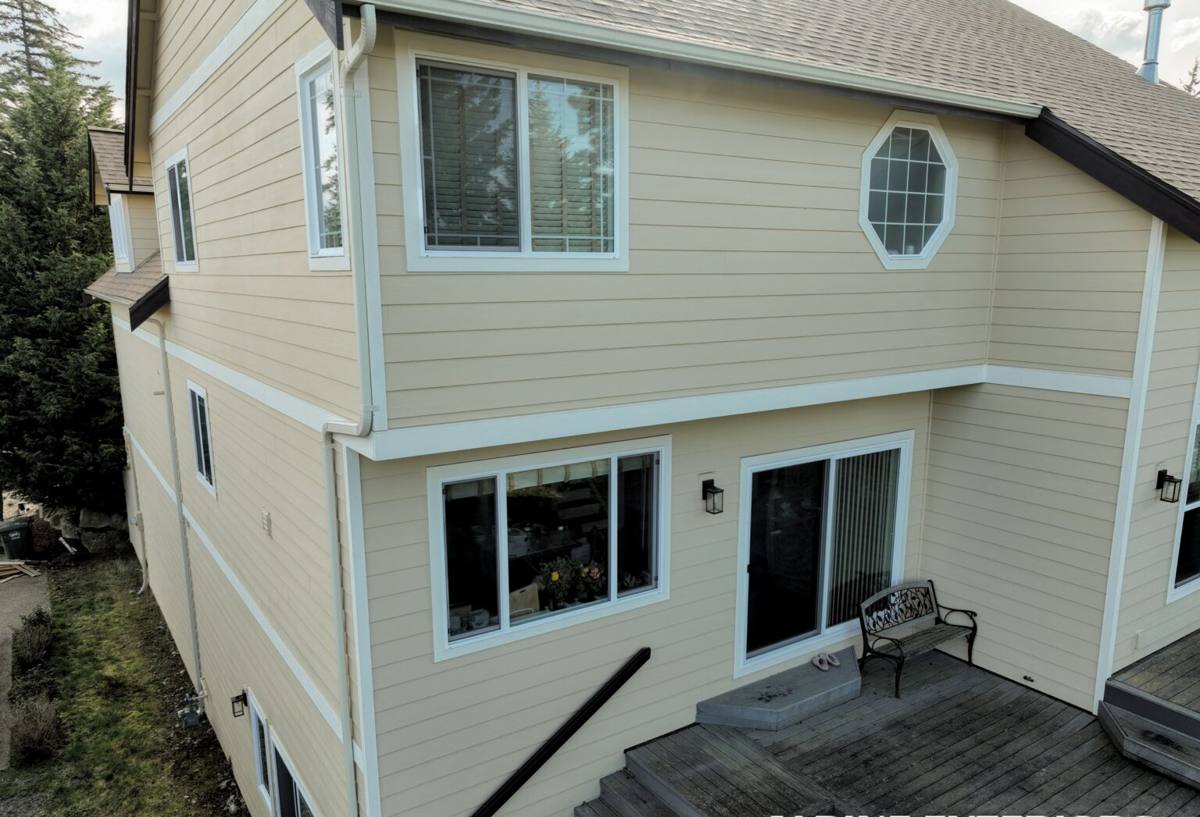
What Dunedin's Climate Actually Does to a Deck
Salt Air and Metal Fasteners
Proximity to the Gulf and Intracoastal means airborne salt is a constant, low-level presence even a few miles inland. Standard fasteners and connectors that aren't rated for coastal exposure will start rusting and staining the wood around them well before the deck's structural life is over. This isn't a cosmetic footnote — corroded fasteners are a structural liability, since they're what's holding your deck together. Every ledger bolt, joist hanger, and screw needs to be rated for the environment it's actually in, not just "exterior grade" in a generic sense.
UV Exposure Year-Round
Florida sun doesn't take a season off. UV breaks down the lignin in wood fibers and degrades the UV inhibitors in composite capping over time, which is why deck boards that looked great at installation can gray, chalk, or lose their finish within a couple of years if the wrong product or finish was chosen. Full-sun decks in Dunedin age differently than shaded ones on the same street, and a good contractor accounts for that in material selection and finish recommendations, not just in the framing.
Wind-Driven Rain and Drainage
Afternoon storms in this part of Florida often come in sideways, which means rain gets up under railings, into board gaps, and against ledger connections in a way that straight-down rain never would. A deck that doesn't shed water properly — wrong board spacing, no drainage plane, ledger flashing done wrong — will trap moisture against the house or the framing, and that's where rot and mold problems start, usually out of sight until they're expensive.
Humidity and Wood Movement
Pinellas County humidity swings between a muggy wet season and a drier winter, and wood decking expands and contracts with that moisture cycle more than people expect. Board spacing, fastening method, and even which way boards are oriented all need to account for that movement, or you end up with boards that buckle, cup, or pop fasteners within the first year or two.
What a Correctly Built Deck Includes
A deck that's going to hold up in this environment isn't just about the decking material on top — most of what determines its lifespan is in the structure underneath, where you can't see it once the job is done.
- Ledger board attached and flashed correctly where it meets the house, so water can't get behind it and into the wall structure
- Footings sized and set to the depth local code requires, not just "deep enough to look right"
- Corrosion-resistant structural connectors and fasteners rated for coastal, high-moisture exposure
- Joist spacing appropriate to the decking material chosen — composite and certain wood species have different span requirements
- Proper board spacing and drainage slope so water sheds off the surface instead of pooling
- Railings and stairs built to current code height, baluster spacing, and load requirements
- Permitting and inspection handled correctly for Pinellas County/Clearwater jurisdiction, not skipped or shortcut
Skip any one of those and the deck might still look fine on day one. The problems show up later, usually as a warranty dispute or a homeowner's out-of-pocket repair bill.
Choosing the Right Decking Material for Dunedin
There's no single "best" decking material — the right choice depends on how much maintenance you're willing to do, your budget, and how much direct sun and salt exposure the specific location gets. We walk every homeowner through the real trade-offs instead of just pushing whatever has the best margin.
| Material | Maintenance | Coastal/UV Behavior | Typical Lifespan |
|---|---|---|---|
| Pressure-treated wood | Regular sealing/staining needed | Prone to graying, splitting, and fastener corrosion staining if not maintained | 10-15 years with upkeep |
| Composite decking | Low — occasional cleaning | Good UV and moisture resistance when a quality capped product is used | 20-30 years |
| Tropical hardwoods (e.g., ipe) | Periodic oiling to maintain color | Naturally dense and rot-resistant, holds up well to salt air | 25+ years |
| PVC decking | Very low | Excellent moisture resistance, doesn't rot; can run hotter underfoot in full sun | 25-30 years |
For decks that sit in full afternoon sun near the water, we lean toward composite or PVC products with a proven UV-stable cap, because the lower maintenance burden usually outweighs the higher upfront cost over the life of the deck. For homeowners who prefer the look and feel of real wood and are willing to keep up with sealing, we build that too — it's about matching the material to how you actually want to live with the deck, not steering everyone to one product.
Our Deck Building Process
1. On-Site Assessment
We come out and look at the actual site — sun exposure, drainage, how close you are to the water, what the house's ledger wall looks like, and any grade or access issues. This is also when we talk through how you'll use the deck, because a deck for quiet morning coffee is designed differently than one meant for entertaining or holding a hot tub.
2. Design and Material Selection
We put together a layout and material plan based on that assessment, walk you through the cost factors below, and settle on a design and budget before anything gets ordered.
3. Permitting
Deck construction in Clearwater and Pinellas County requires permitting and inspection. We handle the permit application and coordinate the required inspections so the finished deck is properly documented — that matters for resale and for insurance down the line.
4. Construction
Footings and framing go in first, built to the connection and fastener standards described above, followed by decking, railings, and any stairs. We don't cover framing work before it's been inspected where inspection is required.
5. Final Walkthrough
We walk the finished deck with you, go over any care and maintenance specifics for the material you chose, and make sure everything is solid before we call it done.
Cost Factors Worth Understanding
Deck pricing varies widely based on size, material, and site conditions, and anyone who quotes you a firm number without seeing the site is guessing. That said, these are the main variables that move the price:
- Square footage and shape complexity (multi-level decks and curves cost more than a simple rectangle)
- Decking material — pressure-treated wood is the lowest upfront cost, composite and PVC run higher, premium hardwoods highest
- Height off grade and whether stairs are needed
- Railing style and material
- Site access and how much existing structure (old deck, landscaping) needs to be removed first
- Permit and inspection fees
We give straightforward, itemized estimates after seeing the site — no lowball number designed to get a signature and then grow once the work starts.
Why a Local Dunedin/Clearwater Crew Matters
A contractor who works this area regularly already knows the local permitting process, understands what Pinellas County inspectors actually check for, and has seen firsthand how decks in this climate hold up or fail over the years. That experience shows up in material choices, fastener selection, and drainage details that a crew unfamiliar with coastal Florida might not think to prioritize. It also means we're accountable and reachable after the job is done — if a warranty question or minor adjustment comes up, we're a short drive away, not a company that finished the job and moved on to a different region.
We also know the practical side of building here: permitting timelines with the local jurisdiction, common inspection issues, and which suppliers can actually get coastal-rated hardware and quality composite or PVC decking on a reasonable schedule. That local knowledge translates into fewer surprises and delays during your project.
Maintenance: What Ongoing Care Looks Like
Even a well-built deck needs some upkeep to hit its full lifespan in this climate. What that looks like depends on the material:
- Wood decks: periodic cleaning, re-sealing or staining every 1-3 years, and prompt attention to any soft or discolored boards
- Composite and PVC decks: routine washing to keep salt residue and organic buildup off the surface; check fastener and railing connections annually
- All decks: keep gutters and downspouts directing water away from the structure, and clear debris from between boards so drainage isn't blocked
- All decks: an annual visual check of railings, stair connections, and any signs of fastener corrosion or wood softening near the ledger
We're happy to talk through a maintenance schedule specific to whatever material you choose, so the deck actually reaches the lifespan it's built for.
Get an Honest Look at Your Project
If you're planning a new deck or replacing one that didn't hold up to Dunedin's climate, we'll come take a look, walk the site with you, and put together a straightforward estimate — no pressure, no inflated first number. Fill out the form below and we'll get in touch to schedule a time.