 Clearwater Siding
 Dunedin's Exterior Walls Work Harder Than Most
Dunedin sits on the Gulf side of Pinellas County, close enough to open water that salt-laden air, wind-driven rain, and long stretches of direct UV exposure are just part of daily life for a home's exterior. Add in the seasonal threat of tropical systems and hurricane-force wind gusts, and you have a climate that is genuinely tough on cladding. Siding here isn't just cosmetic — it's the first line of defense between your framing, sheathing, and interior walls and a coastal environment that doesn't let up.
We install James Hardie fiber cement siding exclusively, and this page is about what that looks like specifically for a Dunedin home: what the climate demands, what a correct installation actually involves, and why local experience matters as much as the product itself.
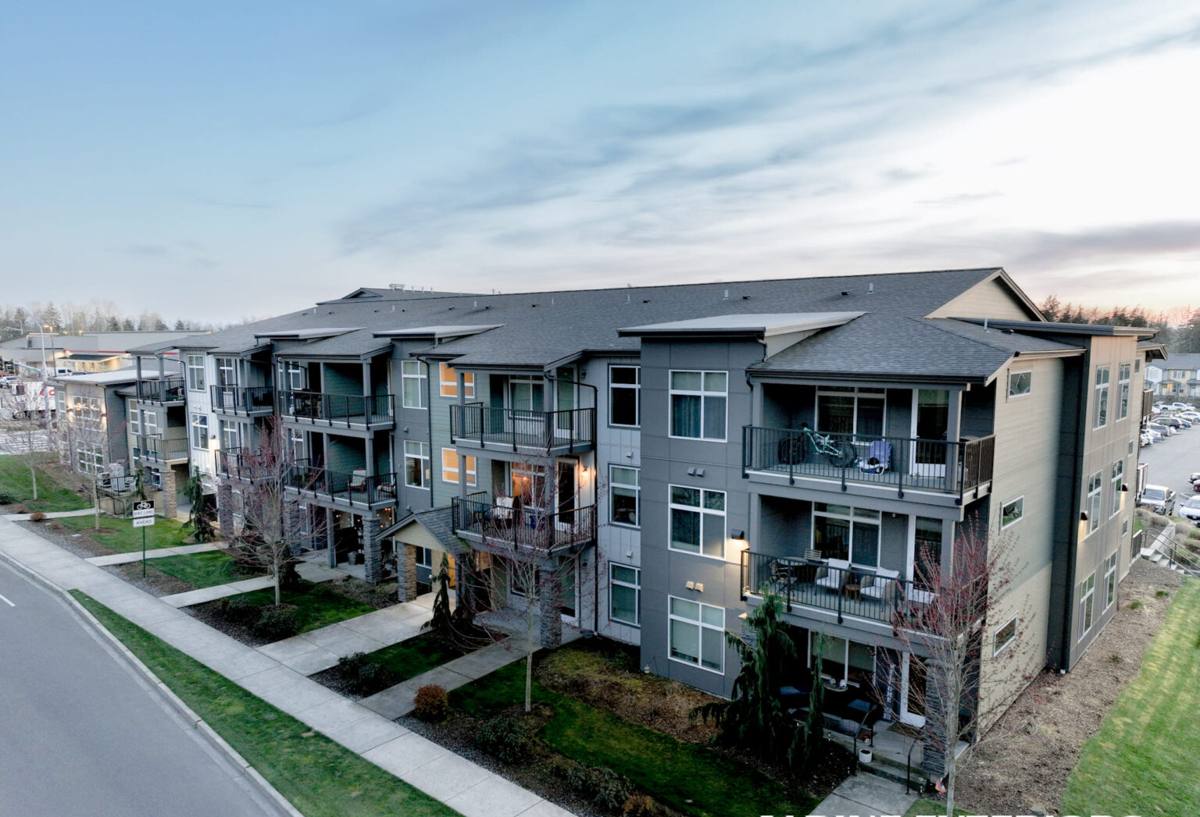
What Dunedin's Climate Actually Does to Siding
Wind
Sustained coastal winds and the periodic threat of hurricane-force gusts put real pressure on siding attachment. Panels and planks that aren't fastened to spec — wrong nail pattern, missed studs, insufficient embedment — are the pieces most likely to fail first when a storm comes through. This isn't a place where "close enough" fastening holds up over time.
UV Exposure
Florida sun is intense and nearly year-round. Paint film on wood or engineered wood products chalks, fades, and breaks down faster here than in milder climates, which means more frequent repainting to keep moisture out. Factory-applied finishes that are engineered for UV resistance hold their color and integrity substantially longer.
Wind-Driven Rain
It's not just how much rain falls — it's how it arrives. Wind-driven rain gets pushed sideways into seams, laps, and penetrations that would stay dry in a calmer climate. Flashing details and lap sequencing matter more here than almost anywhere else in the country.
Salt Air
Being near the Gulf means airborne salt settles on exterior surfaces continuously. Salt accelerates corrosion of fasteners and trim hardware and can degrade some coatings over time. Material choice and fastener spec both need to account for this, not just the visible siding itself.
Why We Standardized on James Hardie
James Hardie fiber cement is engineered specifically to handle the combination of moisture, heat, and UV that a climate like Dunedin's throws at a home. It's non-combustible, dimensionally stable in humidity swings, and manufactured with a factory-applied finish system (ColorPlus Technology) designed to outlast field-applied paint. James Hardie also produces an HZ5 product line engineered for high-humidity, moisture-prone climates — which the Gulf Coast of Florida qualifies as.
We don't install LP SmartSide, vinyl, Cemplank, Allura, or unfinished wood siding. Each of those products has legitimate uses elsewhere, but for a coastal Pinellas County home we've found the trade-offs — moisture sensitivity in engineered wood, heat distortion and impact vulnerability in vinyl, inconsistent finish quality in some fiber cement alternatives — aren't worth it when a better-suited option exists. Hardie, installed correctly, is what we're willing to put our name behind here.
James Hardie Product Lines That Fit This Area
HardiePlank Lap Siding
The most common choice for Dunedin homes — traditional lap profile, available in several textures (smooth, cedarmill) and exposure widths. This is what most James Hardie installations in the neighborhood will use as the primary field material.
HardiePanel Vertical Siding
Used for accent walls, gable ends, or a more modern vertical look. Also common paired with lap siding for visual contrast on porches or entry features.
HardieTrim
Fiber cement trim boards used around windows, doors, corners, and fascia — keeping the entire exterior envelope in one consistent, moisture-resistant material system rather than mixing in wood trim that will fail on a different timeline than the field siding.
HZ5 Engineering
James Hardie's climate-specific engineering means the exact formulation and installation specs recommended for a home here differ from what's recommended in a dry, low-humidity region. We install to the HZ5 spec appropriate for this zone.
What a Correct Installation Involves
The material is only half the equation. Fiber cement siding installed incorrectly can still trap moisture, fail at fastener points, or come loose in high wind — problems that are about workmanship, not the product.
Water Management First
Before any siding goes up, the wall needs a functioning drainage plane: house wrap or equivalent weather-resistive barrier, correctly lapped and taped, with flashing at every penetration, window, and door. Siding is the visible layer, but the water management behind it is what actually keeps a wall assembly dry over decades.
Fastening to Spec
James Hardie publishes specific fastener types, spacing, and embedment requirements, and those requirements are more conservative in high-wind zones like ours. Every plank needs to hit a stud (or approved sheathing fastening pattern), with corrosion-resistant fasteners appropriate for a salt-air environment.
Proper Clearances and Gaps
Fiber cement needs clearance from rooflines, decks, and grade, and controlled gaps at trim and joints to allow for expansion and drainage. Caulking the wrong joints — or failing to caulk the right ones — is one of the most common installation mistakes that leads to moisture intrusion down the line.
Lap Sequencing for Wind-Driven Rain
Because rain here often arrives sideways, lap sequencing and starter strip placement need to account for wind direction and exposure, not just a generic installation manual. This is where local experience shows up in the details.
James Hardie vs. Other Siding Options in This Climate
| Factor | James Hardie Fiber Cement | Vinyl | Engineered Wood (e.g., LP SmartSide) |
|---|---|---|---|
| Wind resistance (installed to spec) | High | Moderate — can crack or blow off in gusts | Moderate |
| UV / fade resistance | High with factory finish | Fades and can become brittle | Depends on field-applied paint upkeep |
| Moisture sensitivity | Low — non-combustible, dimensionally stable | Low, but can trap moisture behind panels | Higher — wood core swells if moisture reaches it |
| Salt air durability | Strong with proper fasteners | Generally stable but hardware can corrode | Coating breakdown exposes wood core faster |
| Repaint / refinish cycle | Long — factory finish warrantied | Doesn't typically get painted | Shorter — regular repainting needed |
This isn't a claim that other products can't work anywhere — it's why, for this specific climate and the standard we hold installations to, we settled on one system rather than offering several.
Our Process for a Dunedin Home
1. On-Site Assessment
We look at your home's current siding condition, wall assembly, trim, window and door flashing, and any moisture or wind exposure issues specific to your lot and orientation.
2. Removal and Substrate Check
Old siding comes off and we inspect the sheathing underneath for rot or prior water damage before anything new goes up — covering a compromised substrate just hides a bigger problem.
3. Water Management Installation
Weather-resistive barrier, flashing, and drainage details go in first, sequenced correctly for wind-driven rain.
4. Hardie Installation to HZ5 Spec
Fastener type, spacing, clearances, and lap sequencing follow James Hardie's climate-specific installation requirements for this zone.
5. Trim, Caulking, and Finish Details
Trim goes on in matching fiber cement, joints are caulked only where specified, and the finish is inspected for consistency.
6. Final Walkthrough
We walk the exterior with you, point out what was done and why, and go over warranty documentation.
ColorPlus Finish and Long-Term Maintenance
ColorPlus Technology is James Hardie's factory-applied finish — baked on under controlled conditions rather than sprayed or brushed on-site. In a high-UV climate like Dunedin's, that matters: factory finishes are formulated to resist fading and chalking far longer than field-applied paint, and they carry their own finish warranty separate from the substrate warranty. Maintenance is still simple — periodic rinsing to remove salt residue and dust, and prompt attention to any caulking or trim that shows wear — but it's meaningfully less demanding than repainting a wood or engineered-wood exterior on a multi-year cycle.
Warranty Considerations
James Hardie's product warranties are transferable to a new owner within the warranty period, which matters for resale in a market like Pinellas County. The warranty covers the material itself; workmanship and installation quality are what determine whether that warranty ever actually gets tested by a real storm. A correctly installed Hardie system and a poorly installed one can look identical on day one — the difference shows up years later.
Questions Worth Asking Before You Sign a Contract
- Does the installer follow James Hardie's published HZ5 fastening and clearance specs, or a generic pattern?
- Will the crew inspect and repair the sheathing and weather barrier before installing new siding?
- Is the flashing detail at windows, doors, and penetrations part of the written scope of work?
- What specific fastener type and material will be used, given salt air exposure?
- Does the quote separate material warranty from workmanship warranty, and what does each actually cover?
- Has the crew installed Hardie siding on other homes in Dunedin or nearby Pinellas County neighborhoods?
Why Local Experience in Dunedin Matters
A siding crew that already works in this area understands the practical realities that don't show up in a generic installation manual — how a particular street's exposure to open water affects wind-driven rain, what wind loads to plan fastening around, and how salt air behaves on this side of the county compared to further inland. That's not something a crew unfamiliar with the Gulf Coast picks up on the first job. It comes from doing this work, on homes like yours, in this specific climate, repeatedly.
If your Dunedin home's siding is aging, showing wear, or you're planning ahead of the next storm season, we're happy to walk the exterior with you and give you a straight assessment — no pressure, no upsell. Reach out for a free estimate using the form below.