 Clearwater Siding
 Why Dunedin Roofs Wear Differently Than Roofs Inland
Dunedin sits close enough to the Gulf that salt-laden air, sustained coastal winds, and near-constant humidity are part of daily weather, not occasional events. A roof here isn't just shedding rain — it's fighting UV degradation twelve months a year, absorbing wind loads that spike hard during Gulf storms and hurricane season, and dealing with salt air that speeds up corrosion on fasteners, flashing, and metal components. A roofing system that performs fine in a drier, cooler climate can fall short here years before it should.
That's the lens we bring to every new roof installation in Dunedin: build for the specific combination of hurricane-force wind exposure, intense sun, wind-driven rain, and salt air that this part of Pinellas County actually sees, not for a generic spec sheet.
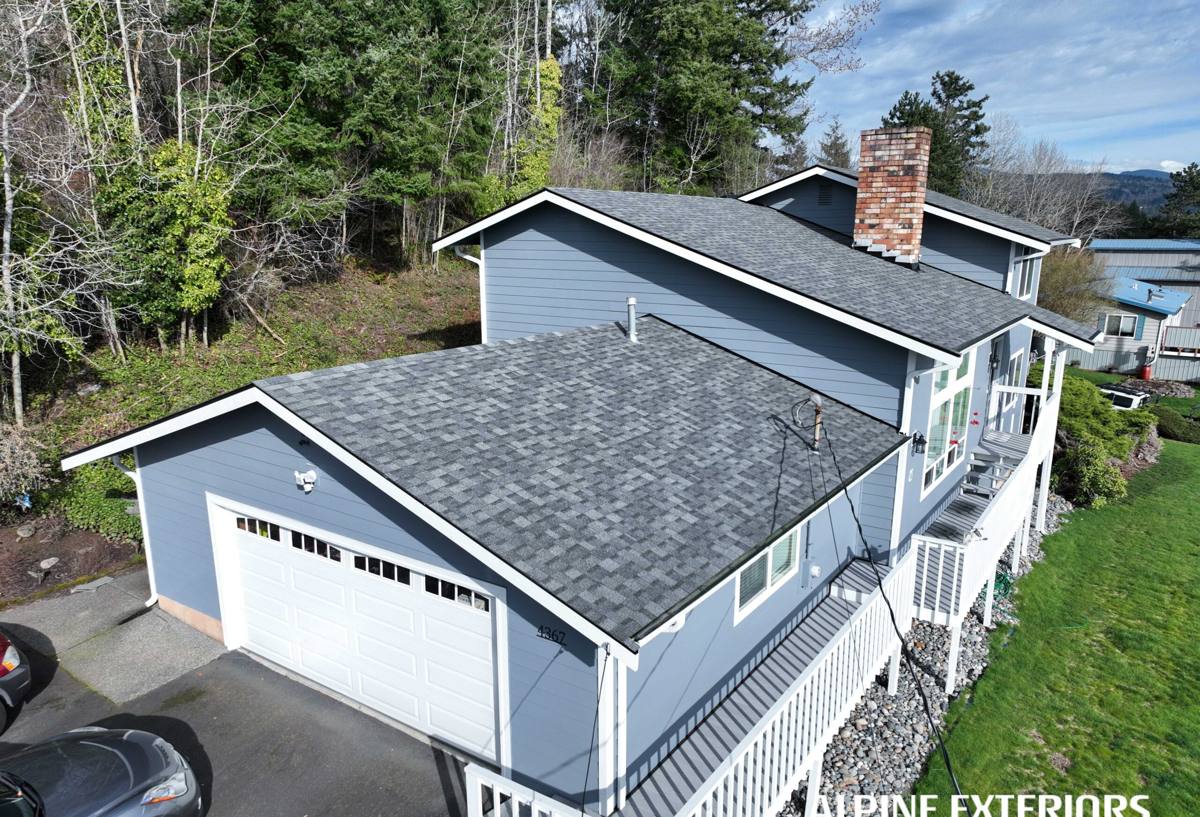
What a Correct New Roof Installation Actually Involves
A new roof is more than shingles or panels going down. The materials on top only perform as well as everything underneath and around them. On every installation we handle, the job includes:
- Full tear-off and deck inspection — removing old roofing down to the deck so we can see and address rot, delamination, or soft spots before anything new goes on top.
- Deck repair or replacement — any compromised sheathing gets replaced, not patched over, since a new roof fastened to a weak deck won't hold its wind rating.
- Self-adhering underlayment at eaves and valleys — these are the areas most exposed to wind-driven rain, and a fully adhered underlayment there keeps water out even if wind forces rain up under the roof covering.
- Correctly sized and placed flashing — around chimneys, skylights, walls, and roof-to-wall transitions, where the vast majority of leaks actually originate, not in the open field of the roof.
- Fastening to current wind-rating standards — nail pattern, nail type, and fastener spacing all affect how a roof performs when gusts hit it, and this is where corner-cutting shows up fastest during a storm.
- Proper ventilation — intake at the soffits and exhaust at the ridge, balanced so the attic isn't cooking the underside of the deck or trapping moisture.
Skipping any one of these doesn't necessarily show up on day one. It shows up two, five, or ten years later — as a leak at a wall flashing, as shingles that granulated early because ventilation was undersized, or as deck damage that was never fixed and finally gives way under wind uplift.
Choosing a Roofing System for a Dunedin Home
There isn't one "right" material for every Dunedin roof — it depends on your home's structure, your budget, your timeline for staying in the house, and how much you want to spend on long-term upkeep. Here's an honest breakdown of the main options we install, and how each one actually behaves in this climate:
| Roofing System | Wind Performance | Salt Air / UV Behavior | Typical Lifespan Here | Maintenance Burden |
|---|---|---|---|---|
| Architectural asphalt shingle (high wind-rated) | Strong when correctly fastened and rated for regional wind speeds | Granule loss accelerates with UV exposure over time; quality matters | 18–25 years | Low to moderate |
| Standing seam metal | Excellent — among the best options for high-wind coastal exposure | Coated finishes resist salt corrosion well; fasteners are the weak point if not corrosion-rated | 40+ years | Low |
| Concrete or clay tile | Very good when installed with proper fastening; individual tiles can dislodge in extreme gusts | Tile itself is largely inert to salt and UV | 40–50+ years | Moderate (occasional tile replacement, underlayment is the real wear item) |
The table above is a general guide, not a guarantee — actual performance depends heavily on installation quality, fastener choice, and how well the roof was maintained. We'll walk through the real trade-offs for your specific home and budget rather than push whatever has the highest margin.
A Note on Underlayment and Flashing Materials
Whatever roof covering you choose, the underlayment and flashing underneath it matter just as much for a coastal Pinellas County home. We favor synthetic or self-adhered underlayments in vulnerable zones over older felt products, because they hold up better to the humidity cycling typical here, and we spec corrosion-resistant flashing and fasteners specifically because standard galvanized hardware degrades faster this close to salt air.
Our Installation Process, Step by Step
Homeowners deserve to know what's actually happening on their roof, not just a start date and an invoice. Here's how a typical Dunedin project runs with us:
- On-site inspection and estimate — we walk the roof, check the attic, and identify anything that will affect scope: deck condition, ventilation setup, flashing points, and any storm damage already present.
- Material selection — we go over the options in plain terms, including wind ratings appropriate for this area, so you're choosing based on real trade-offs, not a sales pitch.
- Permitting — new roof installations require a permit through the local building department, and we handle that submission and the required inspections as part of the job.
- Tear-off and deck assessment — old roofing comes off, the deck is inspected in daylight, and any repairs are documented and completed before dry-in.
- Dry-in and flashing — underlayment goes down first, followed by flashing at every penetration and transition point, so the home is weather-tight even before the final roofing material is installed.
- Roofing installation — shingles, metal panels, or tile go on per manufacturer specifications and local wind-rating requirements.
- Ventilation check and final walkthrough — we confirm intake and exhaust venting is balanced, clean up the site, and walk the finished roof with you.
- Final inspection — the building department signs off, closing out the permit.
Permits, Wind Mitigation, and Your Insurance
Florida Building Code requirements apply to new roof installations, and Pinellas County enforces specific wind-uplift and fastening standards given the region's hurricane exposure. Beyond code compliance, a new roof installed to current standards typically qualifies for a wind mitigation inspection, which can lower your homeowner's insurance premium — insurers price in features like roof-to-wall connections, roof deck attachment method, and roof covering type. We build to those standards as a matter of course, and we can provide the documentation your insurance carrier or agent will ask for after the job is done.
Ventilation and Attic Heat: An Underrated Detail
Florida attics run hot. Without balanced ventilation — enough intake at the soffits paired with enough exhaust higher up — that heat and any trapped moisture sit against the underside of the roof deck, which shortens the life of the roofing material above it and can contribute to deck deterioration over time. On tear-off jobs we frequently find ventilation that was undersized or unbalanced on the original install. Correcting it during a new roof installation is far more practical than retrofitting it later, since the deck and roofing are already open.
Signs a Dunedin Home Needs a New Roof Rather Than a Repair
Not every roof problem means a full replacement — but certain signs point toward it being the more sensible option than another round of patching:
- Shingles that are curling, cupping, or losing granules across large areas rather than in one isolated spot
- Multiple past repairs in different areas of the roof, suggesting the whole system is aging out together
- Visible sagging anywhere on the roofline, which can indicate deck or structural issues
- Daylight visible through the attic decking, or consistent staining on attic wood
- A roof that's approaching or past the upper end of its expected lifespan for its material type
- Recurring leaks at the same flashing points after repeated repair attempts
- Storm damage significant enough that a full tear-off makes more sense than a targeted repair
If you're only seeing one or two of these and the roof is otherwise mid-life, a repair may genuinely be the more responsible recommendation — we'll tell you that directly rather than push a replacement that isn't needed yet.
Why It Matters That We Already Work in Dunedin
A roofing crew that only occasionally works this specific area is guessing at things a local crew already knows: how Pinellas County's permitting and inspection process runs in practice, what wind-rating documentation local insurers actually expect to see, and how salt air and coastal wind exposure differ block by block depending on proximity to the water. That familiarity shortens the permitting timeline, reduces surprises during inspection, and means the materials and fastening specs we recommend are chosen with this exact environment in mind — not a generic statewide average.
We also know that a new roof is one of the largest investments a homeowner makes in a property, and that it needs to hold up through actual hurricane seasons, not just look good on installation day. That's the standard we hold every Dunedin roof to.
Get a Straightforward Estimate
If your roof is showing its age, was damaged in a storm, or you're simply planning ahead before it becomes an emergency, we're happy to take a look and give you an honest assessment of what it needs — repair or full replacement, no pressure either way. Fill out the form below for a free, no-obligation estimate on your new roof installation in Dunedin.