 Clearwater Siding
 Energy-Efficient Windows in Harbor Oaks: Built for This Climate
Harbor Oaks homes sit in Clearwater, in Pinellas County, where the weather doesn't give a window much of a break. Summers bring long stretches of intense UV exposure, storm season brings hurricane-force wind and wind-driven rain, and the near-constant salt air off the Gulf works on hardware and seals year-round. An energy-efficient window has to survive all of that before it can even start doing its main job, which is keeping conditioned air inside and the sun's heat load outside. That's a different bar than what a window needs to clear in a drier, milder climate.
We install energy-efficient windows for homeowners in and around Harbor Oaks, and we also handle siding, roofing, and decks, because a window is never really a standalone product. It's one piece of a wall assembly, and it only performs as well as the flashing, sealing, and framing details around it. In this part of Clearwater, that means building every installation around sustained UV load, salt-laden air, and the wind and pressure demands of Pinellas County's building code.
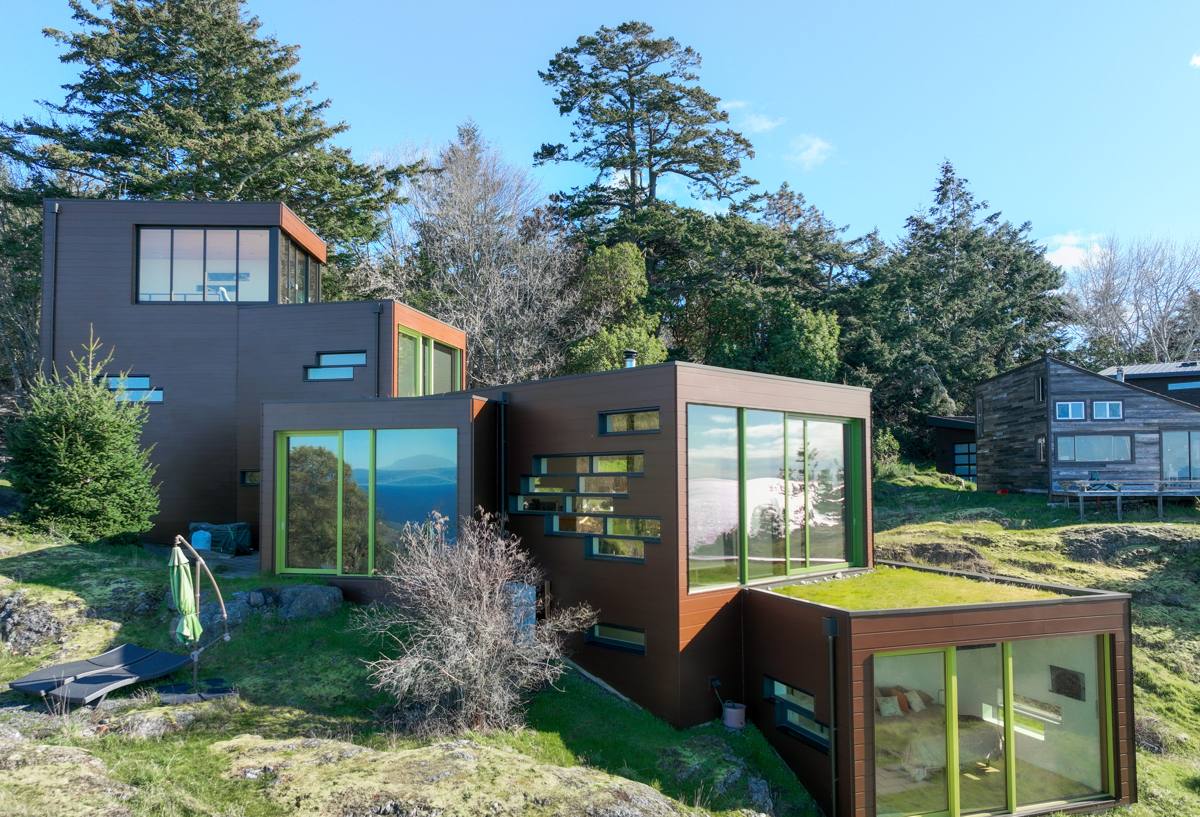
What This Climate Does to Windows in Harbor Oaks
UV Degradation of Seals and Frames
Florida sun is relentless on window components almost year-round. UV breaks down lower-grade vinyl and rubber glazing seals faster than in most parts of the country, which is why seal failures and hazy or fogged glass show up sooner here than the national averages you'll see quoted on a spec sheet. Frame color and finish quality also matter more here — cheaper finishes chalk, fade, or go brittle years before a UV-stabilized product would.
Wind-Driven Rain and Water Intrusion
When a storm comes through, rain rarely falls straight down — wind pushes it sideways into window flashing, head trim, and the sill. That sideways pressure is a bigger test of the installation than of the window itself. A well-rated window installed with a poorly pitched sill pan or shortcut flashing will still leak; a properly installed window with correct flashing sheds that water the way it's supposed to.
Salt Air and Hardware Corrosion
Clearwater's proximity to the Gulf means a steady dose of salt-carrying air, even a few miles inland. Over time that accelerates corrosion on hinges, locks, screen frames, and lower-grade fasteners, especially on window elevations facing prevailing wind. It's a slow problem — most homeowners don't notice pitted hardware or a stiff lock until it stops working smoothly.
Heat Gain and Cooling Load
With cooling running most of the year in this part of Florida, how much solar heat a window lets through has a real, ongoing effect on energy bills. Older single-pane or poorly rated windows let in far more heat than a properly specified low-E, impact-rated unit, which is one of the clearest ways an outdated window shows up as a cost rather than just a comfort issue.
What "Energy-Efficient" Actually Means Here
Energy-efficient windows are usually described using a handful of performance ratings, and in a climate like Pinellas County's, some of them matter more than others.
| Rating | What It Measures | Why It Matters in Clearwater |
|---|---|---|
| U-Factor | How well the window resists heat transfer | Lower is better; keeps conditioned air from bleeding out |
| SHGC (Solar Heat Gain Coefficient) | How much solar heat passes through the glass | Lower SHGC is usually the priority here, given how much cooling load Florida sun creates |
| Impact Rating (DP / Missile Level) | Wind pressure and windborne debris resistance | Determines code compliance for Pinellas County's wind zone; not optional in most cases |
| Air Infiltration Rating | How much air leaks around a closed window | Lower ratings mean less drift between inside and outside temperature |
A window can carry an excellent U-factor and still be the wrong choice for a Harbor Oaks home if it isn't rated for the local wind zone, or the reverse — impact-rated but a poor performer on heat gain. We'll walk through what your home actually needs rather than defaulting to whichever spec is easiest to sell.
Impact-Rated vs. Standard Energy-Efficient Windows
Most homes in this part of Clearwater are better served by impact-rated windows that also carry strong energy ratings, rather than treating "impact-rated" and "energy-efficient" as two separate categories. A quality impact window uses laminated glass and a reinforced frame to meet Florida's wind and debris code, and that same laminated glass construction also happens to block more solar heat and outside noise than standard glass. The trade-off is upfront cost — impact-rated units cost more than standard energy-efficient windows — but they remove the need for separate storm shutters or panels, and they keep working as an energy and security upgrade the other 350 days a year when there's no storm in the forecast.
Full-Frame Replacement vs. Insert Replacement
One of the first decisions on a window project is whether to do a full-frame replacement, which removes the old window down to the rough opening and rebuilds the flashing from scratch, or an insert replacement, which fits a new window into the existing frame. Insert replacement is faster and less disruptive to surrounding stucco or siding, and it's a reasonable choice when the existing frame is structurally sound and was properly flashed to begin with. Full-frame replacement takes longer and costs more, but it's the honest recommendation when there's already water damage at the sill or jambs, or when the original installation wasn't flashed correctly. We'll tell you which situation your home is actually in rather than defaulting to the cheaper option and sealing a moisture problem up behind new glass.
Installation Fundamentals We Don't Treat as Optional
Most window failures in this climate trace back to shortcuts in flashing and sealing, not defects in the window itself. On every job in Harbor Oaks, that means:
- A properly pitched sill pan that sheds wind-driven rain outward instead of letting it pool under the frame
- Head flashing integrated with the wall's weather barrier, lapped correctly so water sheds down and out
- Jamb flashing tied into the surrounding wall assembly rather than relying on caulk alone
- Fasteners and hardware rated for corrosion resistance in a sustained salt-air environment
- Installation that meets Pinellas County's wind and impact code requirements for the home's exposure category
- Weep holes and drainage paths left clear and functional, not sealed shut during installation
None of these details add meaningfully to the cost of a window relative to the unit itself, but skipping them is exactly what turns a properly rated window into one that's leaking or failing early.
Signs a Harbor Oaks Home Needs Window Attention
- Fogging or condensation trapped between panes, usually meaning a failed seal
- Noticeably higher cooling bills without another clear explanation
- Warm glass or a hot draft near a closed window on a sunny afternoon
- Frames that have chalked, faded, or gone brittle from UV exposure
- Difficulty opening, closing, or locking a window that used to operate smoothly
- Visible water staining on interior trim or sills after a storm
Any one of these is worth a professional look. Caught early, most point to a repair or resealing job. Left through another storm season, several of them point to water damage in the surrounding wall framing.
Why a Local Clearwater Crew Matters in Harbor Oaks
A crew that installs windows across Clearwater and Pinellas County through hurricane season after hurricane season sees how UV, salt air, and wind-driven rain actually behave on real houses over years, not just how a product performs on a spec sheet. That shows up in practical decisions: how much extra attention a west-facing wall in Harbor Oaks needs given afternoon sun exposure, how a sill pan should be pitched for the amount of wind-driven rain a given elevation actually sees, and which flashing and fastener details are worth the extra time on install day so a storm doesn't find the weak point two seasons later. It also means already knowing the local permitting and wind-zone requirements instead of learning them on your project.
Beyond Windows: Siding, Roofing, and Decks
Windows are our focus here, but the same climate that wears on a window wears on the rest of a home's exterior too. We also handle siding, roofing, and deck construction, and if a window project turns up moisture damage in the surrounding siding, stucco, or trim, or a flashing issue where the roofline meets a wall above a window, we can address it as part of the same conversation instead of sending you to find a second contractor.
Get a Free, No-Pressure Estimate
If your Harbor Oaks home has windows that are fogging, drafty, driving up your cooling bills, or just past their useful life, we're glad to take a look and give you a straightforward, honest read on what it actually needs. Reach out using the form below to schedule a free estimate — no pressure, no upsell script.