 Clearwater Siding
 New-Construction Windows on a Barrier Island
Indian Rocks Beach sits on a narrow strip of land between the Gulf of Mexico and the Intracoastal Waterway, and that location changes what a window installation actually needs to do. A window here isn't just letting light in — it's a structural component that has to hold back hurricane-force wind pressure, shed wind-driven rain, and survive years of direct salt air without corroding from the inside out. New-construction window installation, done correctly on a home this exposed, is a different job than the same task ten miles inland in Clearwater proper.
This page covers what "new-construction" windows actually means, what Indian Rocks Beach homes specifically need from that installation, and how our process handles it. If you're building new, adding on, or gutting a wall down to the studs on the island, this is the installation method that applies to you.
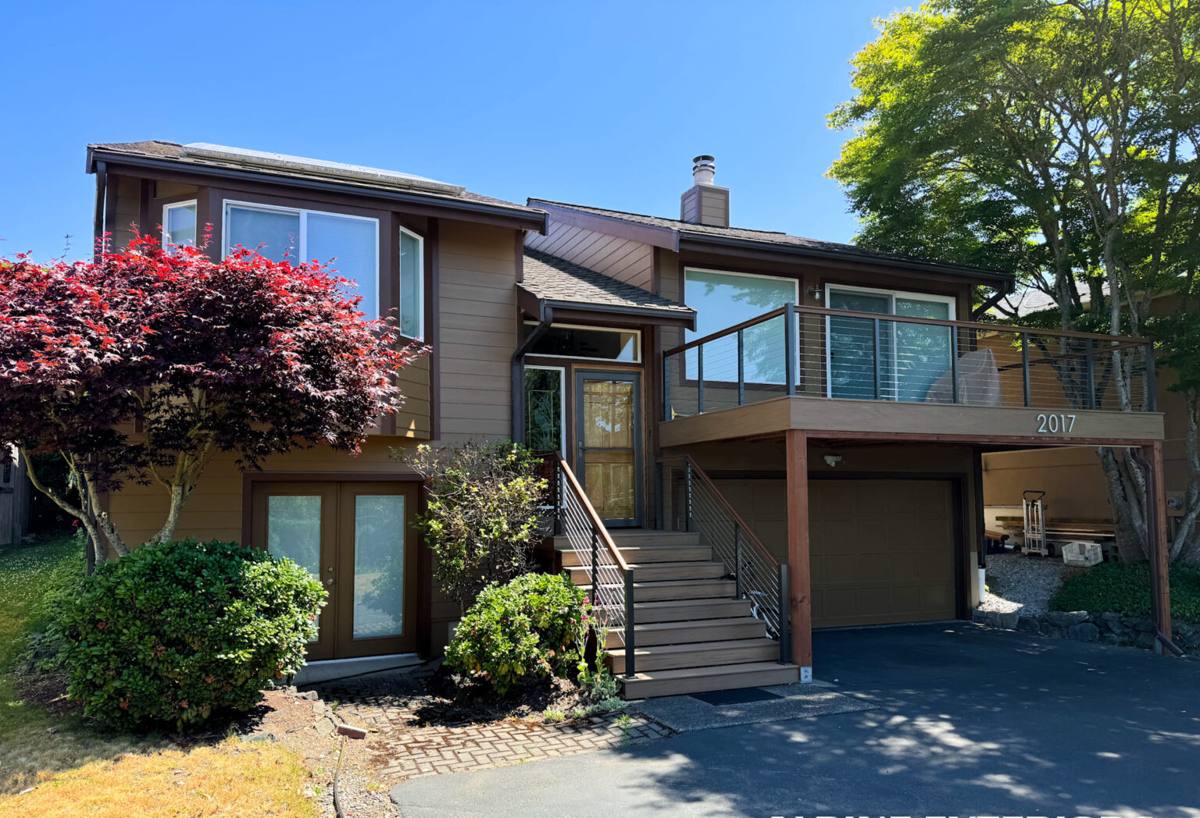
New-Construction vs. Replacement: Why the Distinction Matters
"New-construction" isn't a marketing term — it describes a specific type of window with a nailing fin attached to the outer frame. That fin gets fastened directly to the wall sheathing before siding, stucco, or exterior finish goes on, and it becomes part of the building's weatherproofing envelope, layered in with house wrap or flashing tape in a specific shingle-style sequence so water is always directed outward and down, never behind the wall.
Replacement windows, by contrast, are "pocket" units designed to slide into an existing frame with the exterior finish already in place. They're the right call for a straightforward swap on a home that isn't being opened up to the studs. But they can't be installed with a full nailing-fin flashing system, because that system depends on access to the raw wall sheathing — access you only have during new construction, an addition, or a gut renovation.
On a barrier island, that difference isn't cosmetic. A nail-fin window integrated properly into the wall assembly is far more resistant to wind-driven rain intrusion than a pocket replacement can ever be, because the water management starts at the framing level, not just at the window itself.
When New-Construction Windows Apply
- Ground-up new home construction
- Room additions or bump-outs with new exterior wall framing
- Full renovations where exterior walls are opened to the studs
- Homes being rebuilt or substantially repaired after storm damage
What Pinellas County's Coastal Wind Zone Requires
Every window installed in Pinellas County has to meet Florida Building Code wind load requirements, and homes on Indian Rocks Beach typically fall into a higher design wind speed category than inland Clearwater addresses because of direct Gulf exposure. In practice this means:
- Windows must carry a valid Florida product approval (an FL number) or Miami-Dade NOA rating documenting the specific wind pressure and, where applicable, large-missile impact performance the unit is certified for
- The approval has to match your home's actual design pressure — not just any impact-rated window qualifies, the numbers have to be engineered for your specific elevation and exposure
- Anchoring, fastener spacing, and sealant details are governed by the manufacturer's tested installation instructions, which are part of the approval — deviating from them can void both the code compliance and the warranty
- A building permit and inspection are required for new-construction window installs in Pinellas County; this isn't optional paperwork, it's how the work gets verified against code
We pull permits, size windows to your home's actual wind exposure, and install to the tested assembly — not a generic version of it.
Impact Glass vs. Protective Shutters
Florida code gives homeowners two paths to meeting wind-borne debris protection: impact-rated glazing built into the window itself, or code-approved shutters over standard glass. Both are legitimate, but they carry different tradeoffs worth understanding before you choose.
| Factor | Impact-Rated Windows | Standard Glass + Shutters |
|---|---|---|
| Upfront cost | Higher per window | Lower window cost, added shutter cost |
| Storm prep effort | None — always protected | Shutters must be deployed before every storm |
| Daily UV/noise control | Laminated glass cuts UV and sound year-round | No added benefit until shutters are closed |
| Insurance credit potential | Often qualifies for wind mitigation credits | Can also qualify, depending on shutter type |
| Maintenance | Frame and glass seal upkeep only | Tracks, hardware, and shutter panels need upkeep |
For new construction specifically, we lean toward recommending impact glass where budget allows, simply because it's integrated at the time of install and never depends on someone being home to deploy protection before a storm. But it's a real cost-vs-convenience decision, and we'll lay out both paths honestly for your project rather than pushing one.
Salt Air: The Slow Problem Most Homeowners Underestimate
Wind and rain get all the attention, but salt air is the damage that shows up years later. On a home this close to the Gulf, airborne salt settles on every exterior surface and accelerates corrosion of anything metal — hinges, cranks, locks, screws, and lower-grade aluminum components all degrade faster here than they would even a few miles inland.
What This Means for Material Choices
- Frame material: Vinyl and fiberglass frames don't corrode and hold up well in salt exposure; standard-grade aluminum frames are more vulnerable unless they carry a marine-rated finish
- Hardware: Look for stainless steel or corrosion-resistant coated hardware on locks, hinges, and operating mechanisms — this is where cheap components fail first
- Fasteners: Installation screws and anchors should be corrosion-resistant grade, not standard zinc-plated, especially anywhere exposed to weather
- Sealants: UV- and salt-stable sealants around the frame perimeter matter as much as the window itself — a good window with a degraded sealant joint will leak
None of this is exotic — it's about specifying the right grade of component for the environment instead of the standard inland spec, and it's a conversation we have with every Indian Rocks Beach client before ordering windows.
Our Installation Process
1. Site and Wind Load Assessment
We evaluate your home's exposure, elevation, and framing to confirm the wind design pressure your windows need to meet, and check whether flood zone or elevation requirements affect the work.
2. Product Selection and Permit Application
We help you select frame material, glazing, and hardware suited to direct Gulf exposure, confirm the FL/NOA approval matches your required design pressure, and file for the Pinellas County permit before any work begins.
3. Flashing and Weatherproofing Prep
Before a single window goes in, the rough openings get flashed in the correct shingle-lap sequence — sill pan first, then jambs, then head flashing lapped over the top — so water is always directed out and down, never trapped behind the frame.
4. Installation to Manufacturer Specification
Windows are set, shimmed level and plumb, and fastened per the tested installation instructions tied to the product's wind approval — not a generalized method, the specific one that keeps the rating valid.
5. Sealing and Inspection
Perimeter sealant goes on with salt- and UV-stable material, and the work is left ready for the required county inspection before exterior finishes close it in.
Why It Matters That We Work Indian Rocks Beach Specifically
A crew that mostly works inland Pinellas County jobs isn't necessarily used to the exposure category, permitting nuances, and site conditions that come with a barrier island address. Working Indian Rocks Beach regularly means we're already familiar with the county's coastal permitting requirements, the wind exposure classifications that apply to Gulf-front and near-Gulf lots, and the practical realities of working on the island — tight lots, canal-front access, and homes built to varying code eras that all need to be brought up to current standards on any new opening.
That familiarity shows up in fewer surprises during permitting, fewer inspection callbacks, and a window package that's actually sized to what your specific lot requires rather than a generic coastal estimate.
Before You Sign Off: A Quick Checklist
- Does the window's FL/NOA approval number match your home's actual required design pressure?
- Is a Pinellas County permit being pulled for the installation?
- Does the installer's flashing plan follow a shingle-lap sequence with sill pan flashing?
- Are hardware and fasteners specified for corrosion resistance, not standard inland grade?
- Is the installation method matched to the manufacturer's tested instructions for your product's rating?
- Has someone explained your impact-glass vs. shutter options in plain terms, with real cost tradeoffs?
If a contractor can't answer these clearly before work starts, that's worth pausing on — these details are what separate a code-compliant, storm-ready installation from one that just looks finished.
Get a Straight Answer for Your Project
Every Indian Rocks Beach property is a little different — lot exposure, elevation, existing framing, and budget all shape the right window package. We're happy to walk your project, explain what your home's wind zone actually requires, and give you a clear, no-pressure estimate using the form below.