 Clearwater Siding
 Indian Rocks Beach is a narrow barrier island town, and that changes what a "window replacement" job actually needs to accomplish compared to a house a few miles inland. Homes here sit close to the Gulf on one side and the Intracoastal on the other, which means every window is doing real work against wind, sun, and salt every single day, not just during storm season. When windows in this kind of location start failing — fogged glass, swollen frames, drafts, hardware that won't turn anymore — replacing them isn't just a cosmetic upgrade. It's a chance to get the opening back to a condition that actually holds up to where the house sits. We treat it that way.
Why Windows Fail Faster in Indian Rocks Beach
Three things push window replacement in Indian Rocks Beach into different territory than a typical inland Pinellas County job. First, the housing mix — a lot of older beach cottages and canal homes with windows installed decades before current wind and impact codes existed, alongside newer or renovated homes with mixed-age window sets from different remodels. Second, the direct exposure — being this close to open water means fuller hurricane-force wind loads and more constant wind-driven rain than a comparable house set back a mile or two. Third, code — when you replace a window in Pinellas County, the new unit generally has to meet current wind-borne debris and impact requirements even if the original window never did, which means a straightforward-sounding swap can turn into a code compliance project if it isn't scoped correctly up front.
None of that makes replacement a bad idea — for a lot of Indian Rocks Beach homes, replacing old, failing windows with properly rated ones is one of the more worthwhile exterior projects available. It just means the job has to start with an honest look at the openings and the exposure, not a quick tape-measure quote.
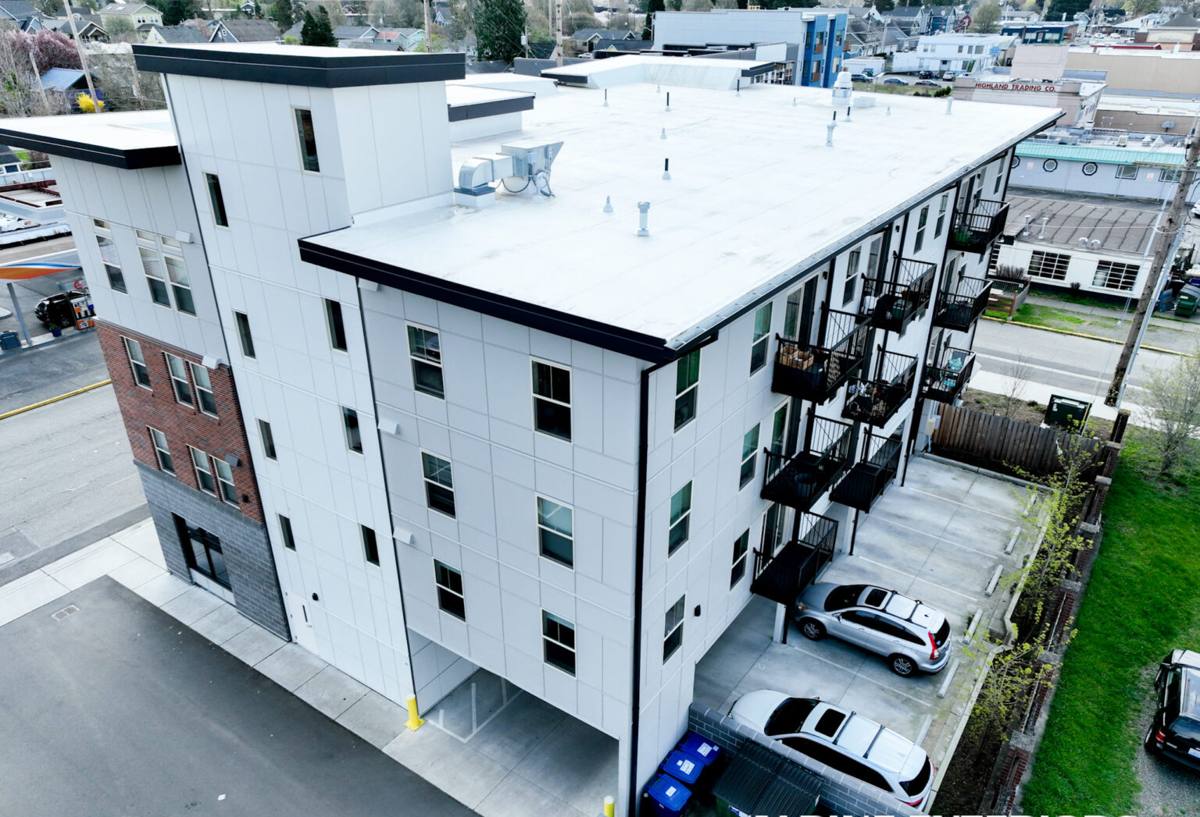
What the Climate Actually Does to Windows Here
Hurricane-force wind events put direct pressure on glass and framing, and older windows that were never rated for that load are exactly the ones that show stress first — cracked glazing, bowed frames, or hardware that fails to stay latched under pressure. Year-round, intense UV breaks down vinyl, weatherstripping, and sealants faster here than in a milder climate, which is why frames that look fine from the street are often brittle, yellowed, or cracked up close, and why the rubber gaskets that used to keep water out are frequently the first thing to give up. Wind-driven rain, from storms and from routine squalls off the Gulf, pushes water sideways into gaps that a calmer climate would never stress the same way, and it finds failed seals and worn weatherstripping fast. Salt air is the quiet one — it doesn't wait for a storm, it works constantly on aluminum frames, hardware, and screen components, and it's usually the reason older aluminum-frame windows in this area show pitting and corrosion long before the glass itself gives out.
Where Failure Actually Shows Up First
On most of the older windows we look at in Indian Rocks Beach, the glass isn't the first thing to go. It's the seal between the panes on double-pane units, which fails and lets moisture in, showing up as permanent fogging that no amount of cleaning fixes. It's the frame corners and weep holes, where corrosion and clogged drainage let water sit instead of draining out. And it's the hardware — locks, cranks, and rollers — that seizes up from salt exposure well before the window itself is unusable. Those are the tells that a window is past the point of repair and into replacement territory.
Signs It's Time to Replace, Not Repair
- Permanent fog or haze between the panes that cleaning doesn't remove — the seal has failed
- Visible frame corrosion, pitting, or chalky white buildup on aluminum frames
- Windows that won't latch, lock, or stay open without being propped
- Noticeable drafts or a whistling sound during windy conditions
- Wood or vinyl frames that feel soft, swollen, or show cracking from UV exposure
- Water staining on the wall or sill below the window after rain
- Single-pane glass with no impact rating on a home that's never been upgraded
- A jump in cooling costs with no other explanation
Retrofit vs. Full-Frame Replacement
There are two honest ways to replace a window, and which one applies depends on the condition of the existing opening, not personal preference. A retrofit (or "pocket") replacement reuses the existing frame and inserts a new window into it — faster, less disruptive to the surrounding wall and interior finish, and usually the right call when the existing frame is still structurally sound and properly sized. A full-frame replacement removes the old unit down to the rough opening, which is what's needed when the frame itself is corroded, rotted, water-damaged, or when the opening needs to be brought up to current code for anchoring and flashing. On older Indian Rocks Beach homes, we don't know which one a given window needs until we actually get eyes on the opening — anyone quoting a firm answer over the phone without seeing the house is guessing.
This decision also determines whether the new window can meet current wind-borne debris requirements. A full-frame job gives us direct access to anchor the new unit into sound structure and detail the flashing correctly. A retrofit into a compromised old frame can look fine on install day and still underperform in a real wind event, because the weak link was never the new window — it was what it got installed into.
What a Correct Replacement Job Involves
Assessment
We start by looking at the actual opening: the condition of the existing frame, any signs of rot or corrosion, how the window is currently sealed and flashed, and what the wind exposure looks like for that specific wall. Gulf-facing and Intracoastal-facing walls aren't always treated the same, and neither are ground-floor and upper-floor openings. That assessment is what determines retrofit versus full-frame, and what impact rating the replacement needs to meet.
Removal
The old unit comes out carefully, and this is usually where hidden problems surface — soft framing, old flashing that was never sealed correctly, or water damage that's been building behind the window for years without showing on the interior. We address what we find before the new window goes in, not after.
Anchoring and Structure
The new unit gets anchored to meet current wind load requirements for its size and location, not just set into the old opening and caulked. On older homes this sometimes means additional attachment points or minor framing correction that the original window never had.
Flashing and Weatherproofing
This is the step that decides whether a replacement actually holds up here. Flashing has to be sequenced correctly so wind-driven rain sheds outward instead of working its way behind the trim, and sealant joints have to be detailed for a climate that puts constant UV and salt cycling on them, not just fair-weather rain.
Finish and Hardware
We spec corrosion-resistant hardware and fasteners as standard on coastal replacements, since standard-grade hardware is exactly what fails first out here. Trim and sealant get finished to match the home, not just to pass a quick visual check on install day.
Frame Materials for This Location
| Frame Material | How It Holds Up in Indian Rocks Beach |
|---|---|
| Vinyl | Good value and low maintenance; quality varies a lot by manufacturer, and lower-grade vinyl can yellow or become brittle faster under constant UV |
| Fiberglass | Strong resistance to UV, salt, and temperature swings with minimal upkeep; typically a higher upfront cost than vinyl |
| Aluminum | Strong and slim-profile, but prone to pitting and corrosion in salt air over time unless it's a marine-grade or well-coated product |
| Wood (clad or protected) | Can work for interior appearance when the exterior face is properly clad and protected; unprotected exterior wood struggles in this climate |
We lead with vinyl and fiberglass on most Indian Rocks Beach replacements because they hold up to sustained salt air and UV with the least ongoing maintenance. That's not a rule against aluminum or wood-look options — it's about matching the material to how much upkeep a homeowner actually wants to sign up for this close to the water.
Cost Factors on a Replacement Project
| Factor | What Changes the Price |
|---|---|
| Retrofit vs. full-frame | Full-frame costs more but is often required when the existing frame is compromised |
| Impact rating required | Direct Gulf or Intracoastal exposure typically calls for a higher-rated unit than a more sheltered wall |
| Opening condition | Hidden rot, corrosion, or old flashing failures found during removal add repair work before the new window goes in |
| Number of windows | Replacing a full set at once generally has better per-unit economics than one-off replacements over time |
| Frame material | Fiberglass typically costs more upfront than vinyl but needs less long-term maintenance in salt air |
Our Process, Start to Finish
- On-site assessment — we inspect the existing windows and openings, evaluate wind exposure for each wall, and identify any frame or substrate issues
- Honest recommendation — retrofit or full-frame, with the reasoning explained, including the impact rating your specific openings need
- Ordering and lead time — a realistic timeline, since code-compliant impact units are built to order and not pulled off a shelf
- Removal and opening prep — old units come out carefully, with any hidden damage addressed before new windows go in
- Installation and anchoring — new units are set and anchored to meet current wind load requirements
- Flashing, sealant, and finish — weatherproofing detailed for the specific opening, then finished to match the home's exterior
Why Hiring a Crew That Works This Coastline Matters
Manufacturer install instructions are written for average conditions, and a barrier island town like Indian Rocks Beach rarely qualifies as average. A crew that doesn't work this coastline regularly can install a correctly rated window and still miss the details that keep it performing — how a flashing lap needs to overlap on this kind of wall, which anchoring pattern actually holds up under sustained coastal wind versus just the code minimum, when a sealant joint needs extra attention because of year-round UV and salt cycling rather than occasional exposure. Those are judgment calls made on the job site, not something a spec sheet decides for you.
We work Indian Rocks Beach and the surrounding Pinellas County barrier islands regularly, so we're not guessing at how a particular elevation, wall type, or window style tends to hold up here over a few hurricane seasons. That familiarity is what separates a replacement that's still tight and performing years later from one that starts leaking or corroding within a couple of seasons.
Ready When You Are
If your windows are fogging, sticking, drafting, or just old enough that you're not sure they'd hold up in the next storm, it's worth having someone look at the actual openings before you start pricing units. We offer free, no-pressure estimates for window replacement in Indian Rocks Beach and the surrounding area — use the form below to get a time on the schedule.