 Clearwater Siding
 Why Island Estates Asks More of Its Siding
Island Estates sits surrounded by water, connected to the rest of Clearwater by a causeway, with homes that back up to canals or open water on lots that rarely get much of a buffer from the elements. That setting is part of what makes the neighborhood desirable, but it also means the exterior of an Island Estates home works harder than a comparable house set back a few miles inland. Salt air, sun, and wind all reach these walls with less interruption, and over years that adds up to real differences in how siding ages.
This page focuses on one product, in one place: James Hardie fiber cement siding, installed on homes in Island Estates. It covers what the local exposure actually does to a wall, what a correctly installed fiber cement system needs to hold up to it, how our process works on an island lot like this, and why working this specific community regularly changes what we catch before it becomes a problem.
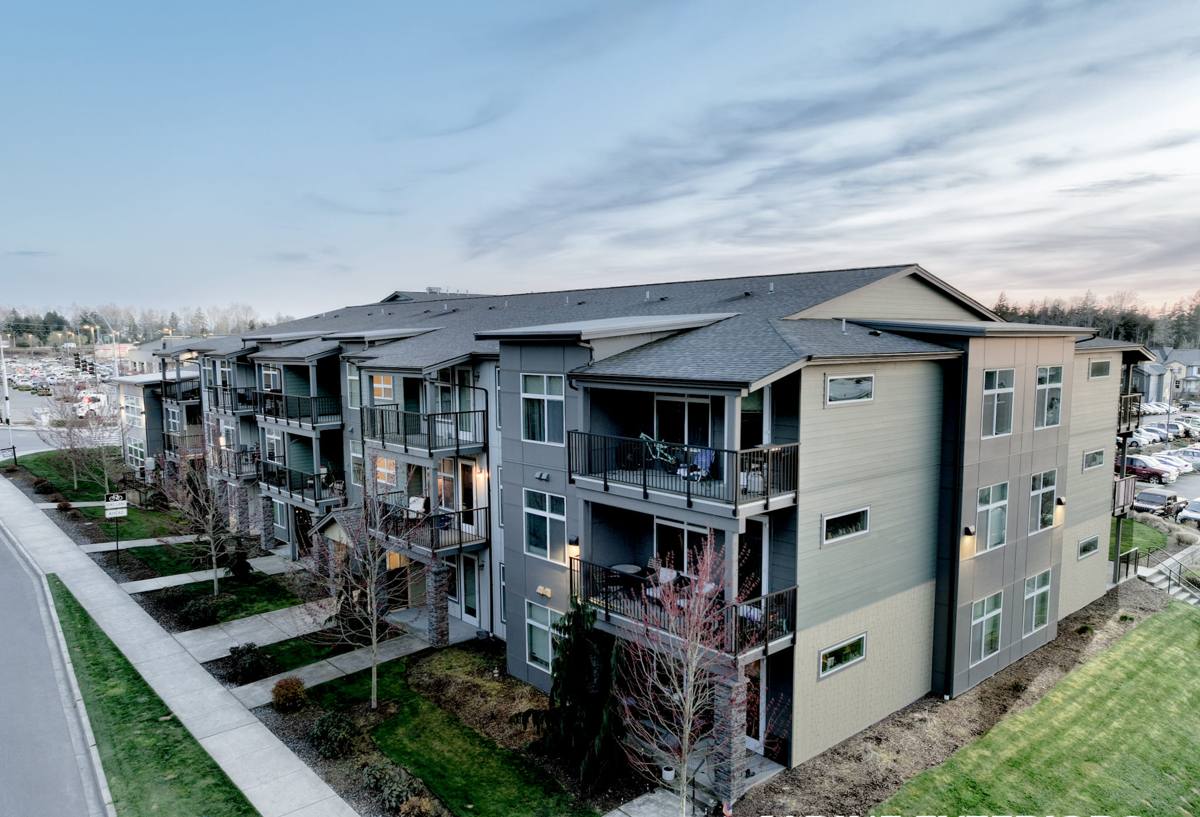
What Water on Multiple Sides Does to a Home's Exterior
Salt Air From More Than One Direction
A typical inland Pinellas County home deals with salt-laden air arriving from roughly one direction, carried in on prevailing winds off the Gulf or Tampa Bay. A canal-front or open-water lot in Island Estates can take that same salt exposure from multiple sides at once, depending on how the property sits relative to the water around it. Salt doesn't just sit on the surface — it accelerates corrosion in exposed fasteners, hinges, and trim hardware, and it speeds up the grime and chalking that build up on a siding surface that isn't built to resist it.
Wind-Driven Rain With Nothing to Slow It Down
Open water in front of a home means wind has a long, unobstructed run before it hits the wall, and that matters most during the hurricane-force wind events Pinellas County plans around every storm season. Wind-driven rain pushed at a wall behaves very differently than rain falling straight down — it gets forced into laps, seams, and trim lines that were only ever designed to shed water moving downward. A house with a clear line to open water sees that kind of pressure more often and more directly than one shielded by other structures or tree cover.
Intense, Reflected UV
Florida's UV load is high across the whole region, but a home facing open water often gets an extra dose of reflected sun bouncing off the surface below, in addition to direct overhead exposure for most of the day. UV breaks down unprotected finishes and sealants over time, which is part of why the quality and durability of a siding's finish matters as much as the substrate underneath it.
Storm Surge and Wind Load on an Island Lot
Being surrounded by water also means storm surge and elevated wind load are real design considerations for any exterior work here, not a theoretical concern. Siding, trim, and the flashing details around them all need to be installed to hold up under storm conditions, and permitting on a property like this typically reflects that reality more closely than it would a few miles inland.
Why Fiber Cement Holds Up to This Kind of Exposure
We install James Hardie fiber cement exclusively — not vinyl, not LP SmartSide, not primed wood or cedar. On a lot with this much direct water exposure, the reasons matter more than they would somewhere more sheltered.
A Material That Doesn't Move the Way Wood or Vinyl Does
Fiber cement is made from cement, sand, and cellulose fiber, pressed and cured into a dense, dimensionally stable board. It doesn't absorb and release moisture through its fiber structure the way wood-based siding does, and it doesn't expand and contract with heat the way vinyl does. On a wall that cycles between soaking humidity and intense sun within the same afternoon, that stability is what keeps a board from cupping, warping, or pulling loose from its fasteners over time.
Engineered for Climate, Not Generic
James Hardie builds its HZ5 product line specifically for climates that see heavy, sustained moisture exposure, and it's the line we specify for coastal Pinellas County installs. That's a meaningfully different starting point than a siding product built to one generic national spec and sold everywhere regardless of local conditions.
A Factory Finish, Not Field Paint
Most of the Hardie siding we install carries the ColorPlus finish, a factory-baked coating applied under controlled conditions no jobsite can match. It resists fading and chipping better than typical field-applied paint, which matters directly on a wall that's taking more UV and salt exposure than most.
Non-Combustible
Fiber cement doesn't burn, which is a real difference from vinyl siding, which softens and deforms under heat. It's a straightforward point in the material's favor regardless of where a home sits, but it's worth stating plainly.
What a Correct Fiber Cement Installation Needs on This Kind of Lot
The siding itself only performs as well as the installation behind it. On an Island Estates property, we treat the following as non-negotiable, not optional upgrades:
- Corrosion-resistant, coastal-grade fasteners throughout — standard fasteners lose holding strength faster in an environment with salt exposure from multiple directions
- Flashing at every window, door, and penetration, sequenced correctly with the water-resistive barrier so water sheds outward rather than behind the siding
- A continuous, properly lapped water-resistive barrier with no gaps, since a wall facing open water gets tested by wind-driven rain more often than a sheltered one
- Correct clearance between the bottom of the siding and grade, decks, or roof lines, where water tends to collect first
- Sealed and primed cut edges wherever the manufacturer's installation instructions call for it
- Fastener spacing and pattern that match Hardie's published specifications for the specific product and local wind zone, not a generalized minimum
- Caulking and joint details built to move with the board rather than crack loose under repeated wet-dry cycling
None of these show up on a walk-by inspection once the job is finished. They show up five or ten years later, either as a wall that's still performing the way it should, or as one that isn't.
How Our Process Works on an Island Estates Home
We start with a site visit to look at the specific exposure the property actually has — which sides face open water or a canal, how much of the wall gets direct afternoon sun, the condition of the existing siding and trim, and any drainage or grading issues around the foundation. From there we walk through product options and finish colors that fit the home and the budget, and lay out a straightforward estimate before any work begins.
Permitting for exterior work in this part of Clearwater generally follows Pinellas County's coastal construction and wind-load requirements, and we handle that process as part of the job rather than leaving it for the homeowner to sort out. Once permitted, the installation itself follows the sequence above — water-resistive barrier and flashing first, then the fiber cement system, trim, and finish work — with a final walkthrough so you know exactly what upkeep the finished job actually needs.
Fiber Cement Compared to Other Options for a Waterfront Lot
| Factor | Vinyl Siding | Primed Wood / Cedar | James Hardie Fiber Cement |
|---|---|---|---|
| Salt air resistance | Doesn't corrode, but chalks and dulls faster near open water | Absorbs moisture; salt speeds surface breakdown | Dimensionally stable; resists moisture and salt-driven wear |
| Wind-driven rain performance | Relies on loose, lapped panels; seams can let water behind | Prone to swelling and warping when water gets past the finish | Sealed joints and correct flashing shed water outward |
| UV and finish stability | Color molded through, fades and chalks over time | Field-applied finish needs frequent recoating | ColorPlus factory finish resists fading and chipping |
| Combustibility | Softens and deforms under heat | Combustible | Non-combustible |
| Typical lifespan here | 20-30 years, often less with heavy salt exposure | Shorter, with regular refinishing required | 30-50+ years with correct installation and upkeep |
| Warranty structure | Varies by tier, often prorated | Limited, typically finish-only | Long-term, transferable substrate warranty plus separate finish warranty |
What to Ask Before Hiring Anyone for Waterfront Exterior Work
A siding job on an island lot has more riding on the details than a typical inland re-side. Before hiring a crew for a property like this, it's worth asking:
- What fastener grade do you use, and is it rated for a high-salt, multi-direction exposure environment?
- How do you sequence flashing at windows, doors, and penetrations, and what's behind the siding for a water-resistive barrier?
- Have you pulled permits for coastal or wind-zone work in Pinellas County before, and can you speak to those requirements specifically?
- Is the finish factory-applied or field-applied, and what does that finish's warranty cover separately from the board itself?
- Can you point to fiber cement installation work you've done on other water-adjacent properties in this area?
A contractor who answers these specifically, rather than in general terms, is a much better sign than one who just quotes a price per square foot.
What Fiber Cement Still Needs From You
Correctly installed Hardie siding is low-maintenance, not maintenance-free, and that matters more on a lot with this much water exposure. A little routine attention keeps it performing the way it's supposed to:
Rinse the surface periodically to clear salt residue and organic buildup before it dulls the finish. Keep an eye on caulked joints and trim lines after storm season, since that's when sealant is most likely to take damage. Trim back landscaping that holds moisture against a wall or blocks airflow. And address anything that looks off — a soft spot, a separated joint, discoloration that wasn't there before — sooner rather than later, since problems caught early are almost always cheaper and simpler to fix than ones left to sit.
Why It Matters That We Already Work This Island
A crew that mostly works inland Clearwater can still install fiber cement siding competently, but a job on Island Estates comes with variables that don't come up as often elsewhere — wind load and flashing details tied to a home with open water on one or more sides, permitting that accounts for that exposure, and site access that's often tighter than a typical mainland lot. Working this community regularly means we're not guessing at any of that. We know what the fastener and flashing details actually need to be for a house that faces the water directly, because we've built to that standard here before, not somewhere theoretically similar.
If you're planning a re-side, replacing storm-damaged siding, or just want a straight read on what your Island Estates home's exterior actually needs, we're happy to walk the property with you and lay it out plainly. Reach out below for a free, no-pressure estimate.