 Clearwater Siding
 Metal Roofing Built for Countryside's Weather, Not Just Its Look
Countryside is one of Clearwater's older established residential areas, and a lot of its homes are due — or overdue — for a roof replacement. When homeowners here start comparing options, metal roofing usually comes up for the right reasons: it holds up to wind better than most alternatives, it doesn't lose granules or crack under UV the way some materials do, and a properly installed panel system can outlast two or three shingle roofs. But "metal roof" is not one product with one outcome. How it's installed determines whether it performs the way it's supposed to for the next 30-50 years, or starts causing problems in year five.
Pinellas County sits in a tough spot for any roof: hurricane-force wind gusts during tropical systems, sun exposure that runs nearly year-round instead of seasonally, wind-driven rain that gets pushed sideways under loose or poorly lapped edges, and salt-laden air drifting in off the Gulf that accelerates corrosion on anything metal that isn't rated or fastened correctly. None of that is unique to Countryside specifically, but it's the baseline every roof in this part of Clearwater has to survive, year after year.
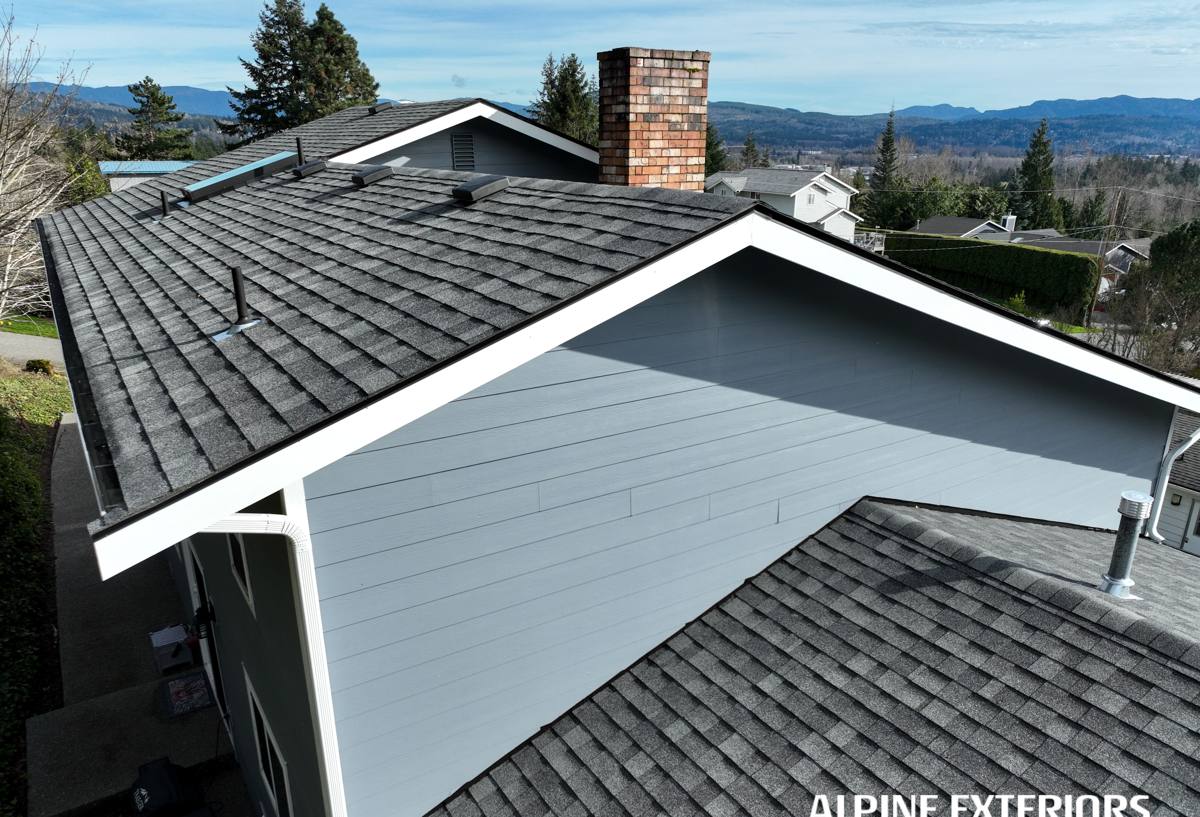
What a Correct Metal Roof Installation Actually Involves
A metal roof is only as good as the details underneath it. The panels are the visible part, but the parts nobody sees — deck condition, underlayment, fastening pattern, and flashing — are what actually decide whether the roof holds up in a hurricane or leaks in the first hard rain.
- Deck inspection and repair — any soft, rotted, or delaminated decking gets replaced before a single panel goes down. Metal fastened to a compromised deck will fail at the fastener, not the panel.
- High-temperature, self-adhering underlayment — standard felt breaks down fast under a metal roof in Florida heat. A proper underlayment is rated to handle sustained heat buildup and still seal around fasteners.
- Correct fastening pattern for the wind exposure — fastener spacing isn't a fixed number; it's calculated based on panel type, roof pitch, and the wind exposure category of the property.
- Flashing at every transition — valleys, wall intersections, chimneys, pipe boots, and eaves are where almost every roof leak actually starts, metal or otherwise.
- Compatible metals and sealants — mixing incompatible metals (for example, certain fasteners against certain panel alloys) sets up galvanic corrosion that shows up as rust streaking within a few years.
Why This Matters More on a Metal Roof Than Shingles
A shingle roof has some forgiveness built in — overlapping layers of the same material tend to shed water even if a detail is slightly off. A metal roof does not have that redundancy. Panels rely on precise laps, correctly seated seams, and flashing that's mechanically fastened and sealed, not just caulked. Skipped steps don't always show up at final walkthrough — they show up the first time wind-driven rain hits the roof sideways during a summer storm.
Standing Seam vs. Exposed-Fastener Panels: Which Fits a Countryside Home
Most homeowners in this area are choosing between two panel systems. Both are legitimate, durable options — the right one depends on budget, roof style, and how long you want to go before any maintenance is needed.
| Feature | Standing Seam | Exposed-Fastener (Corrugated/5V) |
|---|---|---|
| Fasteners | Concealed under interlocking seams | Visible, driven through the panel face |
| Long-term maintenance | Minimal — no exposed fastener seals to monitor | Fastener washers should be checked periodically; they're the first thing to age |
| Wind performance | Generally higher uplift resistance due to concealed clip attachment | Solid performance when fastened correctly to spec |
| Upfront cost | Higher material and labor cost | More budget-friendly |
| Appearance | Clean, uninterrupted panel lines | Traditional ribbed look |
Neither option is wrong. A lot of Countryside roofs do well with exposed-fastener systems as long as the installer uses the correct fastener spacing and doesn't cut corners on washers and gaskets, which are the parts most exposed to UV breakdown over time.
How Wind, Rain, and Salt Actually Damage a Bad Metal Roof
Most metal roof problems we get called out for aren't a failure of the metal itself — they're an installation detail that didn't account for local conditions.
- Wind works at panel edges, ridges, and rakes first. Undersized fastener patterns or missing edge clips are where uplift starts during a tropical storm or hurricane, even if the field of the roof holds fine.
- Wind-driven rain doesn't fall straight down here during a real storm — it gets pushed sideways and upward under eaves and around penetrations. Flashing that relies on sealant alone instead of proper laps and mechanical fastening will eventually let water in.
- Salt air accelerates corrosion on any fastener, flashing, or trim that isn't rated for coastal exposure, or where dissimilar metals were mixed. It's a slower failure than wind or rain, but it's steady, and it's the reason material and fastener selection matters even for homes that aren't right on the water.
Our Process for a Countryside Metal Roofing Project
- On-site inspection — we assess the existing roof, deck condition, ventilation, and any storm or age-related damage before recommending anything.
- Tear-off vs. recover decision — depending on the current roof's condition and local code requirements, we'll tell you honestly whether a recover is viable or a full tear-off is the right call.
- Deck repair — any compromised decking is replaced before underlayment goes down, not patched around.
- Underlayment and flashing installation — this is the step that determines leak performance, done before a single panel is installed.
- Panel installation — fastened or seamed to the pattern appropriate for your roof's pitch and wind exposure, not a generic default.
- Final walkthrough and permit close-out — inspection, cleanup, and confirmation that everything meets code before we consider the job done.
Maintenance a Metal Roof Actually Needs in This Climate
Part of what makes metal roofing attractive is how little maintenance it needs compared to other materials — but "little" isn't "none," especially with Gulf-side salt air and heavy seasonal storms in the mix.
- Visual inspection twice a year, and always after a significant storm
- Clear leaves, debris, and standing organic matter out of valleys — trapped debris holds moisture against the panel
- Check sealant and flashing at every roof penetration (vents, chimneys, skylights) for cracking or shrinkage
- On exposed-fastener systems, check fastener heads and washers for backing out or wear
- Rinse off salt film periodically if the home is closer to the coast, to slow corrosion at seams and trim
- Confirm gutters and downspouts are clear so water isn't backing up under the roof edge
What Actually Drives the Cost of a Countryside Metal Roof
We don't publish flat prices because roof cost genuinely varies by property — but these are the real factors that move the number up or down, so you know what you're paying for.
| Factor | Why It Affects Cost |
|---|---|
| Panel type | Standing seam costs more in material and labor than exposed-fastener systems |
| Roof complexity | More valleys, hips, and penetrations mean more flashing work and labor time |
| Tear-off vs. recover | Full tear-off costs more upfront but is often the more honest long-term choice on an older deck |
| Deck repair needed | Rotted or damaged decking found during tear-off adds material and labor not visible in an initial estimate |
| Metal gauge and coating | Heavier gauge and higher-grade coatings cost more but last longer under UV and salt exposure |
| Warranty coverage | Extended finish and workmanship warranties are typically priced into the overall package |
Why It Matters That We Already Work in Countryside
A crew that's worked this specific area understands the practical side of a Clearwater roofing project that isn't in any spec sheet: what Pinellas County's permitting and inspection process actually expects, how the local wind exposure requirements get applied to a permit application, and what an insurance wind mitigation inspection typically looks for once the new roof is in place. That local familiarity means fewer surprises mid-project and a permit process that doesn't stall out over avoidable paperwork issues.
It also means we're not disappearing after the invoice is paid. If a fastener needs a second look after a bad storm season, or a question comes up two years down the road, we're a short drive away — not a call center for a company that did one job in the area and moved on.
If you're weighing metal roofing for a Countryside home, we're happy to take a look and give you a straight answer about what your roof actually needs — no pressure, no inflated scope. Use the form below to request a free estimate.