 Clearwater Siding
 New-Construction Windows in Seminole: Getting the Opening Right the First Time
When you're building new, adding a room, or opening up an exterior wall down to the studs in Seminole, you're not just picking out windows — you're building the opening that the window depends on for the next 20-plus years. New-construction windows (sometimes called "nail-fin" windows) attach directly to the framing before exterior finishes go on, which is a very different job from swapping a window into an existing, finished wall. Get the framing, flashing, and fastening wrong at this stage, and no amount of caulk will save you later.
Seminole sits in coastal Pinellas County, close enough to the Gulf that every exterior product on a house has to deal with salt-laden air, sideways rain during storms, and sun exposure that doesn't let up for most of the year. New-construction windows give us the best possible chance to build a wall system that actually holds up to that — but only if the installation is done in the right order, with the right materials, and to code.
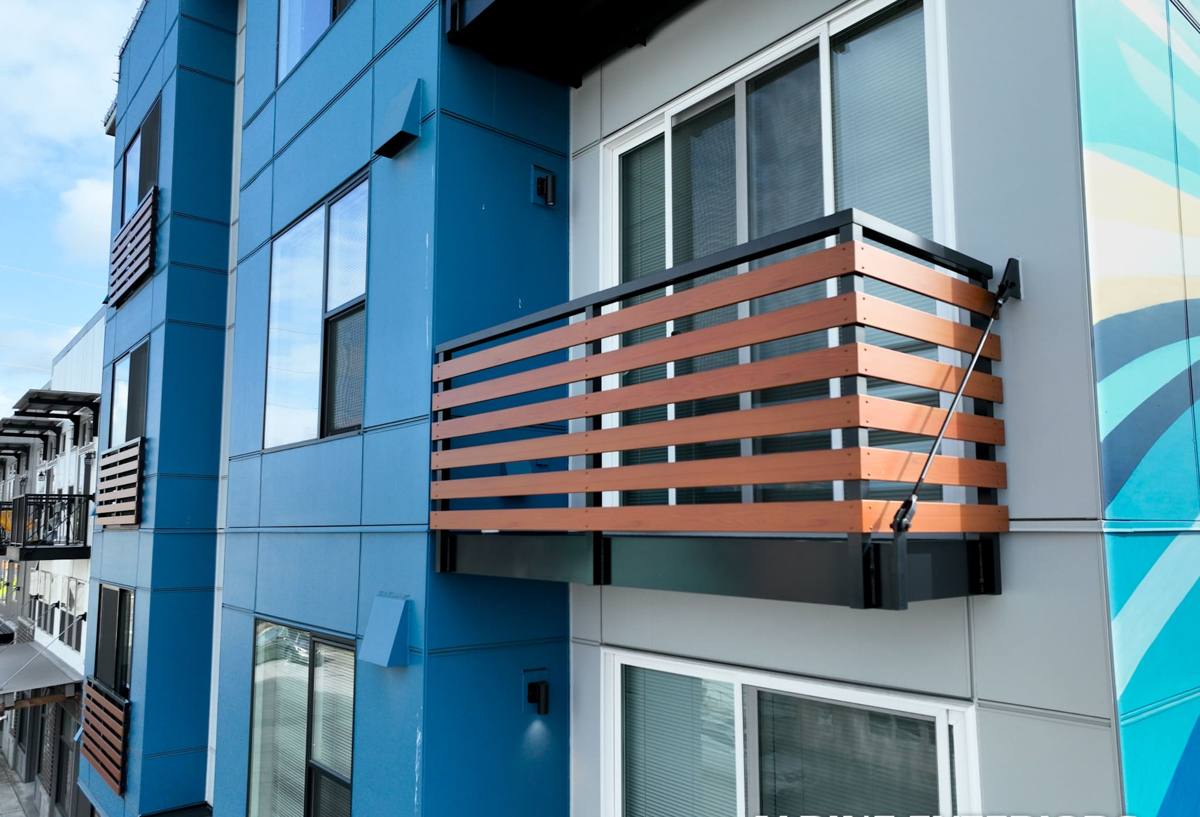
Why New-Construction (Not Replacement) Windows Are the Right Call Here
New-construction windows have a nailing fin around the perimeter of the frame that gets fastened to the sheathing and integrated into the wall's weather-resistive barrier and flashing system, then covered by siding, brick, or stucco trim. Replacement windows, by contrast, are built to fit inside an existing frame that's staying in place, with no fin to flash.
For a Seminole project, new-construction windows make sense when:
- You're building a new home or a room addition from the studs out
- You're opening an exterior wall down to the sheathing for a remodel
- An existing frame is rotted, out of square, or was never properly flashed and needs to be removed entirely
- You're re-siding a wall section and want the window integrated into a fresh weather barrier rather than caulked around an old frame
If the existing frame is sound and the wall isn't being opened up, a replacement/insert window is usually the more cost-effective and less disruptive choice. Part of our first visit is telling you honestly which category your project actually falls into — not defaulting to whichever is more work.
What Seminole's Climate Actually Asks of a Window Installation
A window in Seminole earns its keep in a few specific ways:
Wind and wind-driven rain
Tropical systems and seasonal storms push rain sideways, sometimes for hours. A window opening isn't watertight because of the window alone — it's watertight because of how the flashing, sill pan, and weather barrier work together to shed water down and out, even when wind is forcing rain up and under normal drainage paths.
UV and heat load
Central Florida sun is intense nearly year-round. Frame materials, sealants, and low-E glass coatings all degrade at different rates under constant UV — a spec that works fine in a milder climate can chalk, warp, or lose its seal here well ahead of schedule.
Salt air
Being minutes from the Gulf means airborne salt reaches even homes that aren't waterfront. It accelerates corrosion on hardware, fasteners, and lesser-grade aluminum components, which is why fastener and hardware choice matters as much as the window unit itself.
Humidity and moisture intrusion
Pinellas County's humidity means any gap in the flashing or barrier doesn't just risk a visible leak — it risks slow moisture intrusion into wall framing and sheathing that can go unnoticed until there's real damage.
Florida Building Code and the Wind-Borne Debris Region
Seminole is not in Florida's High-Velocity Hurricane Zone (that designation applies to Miami-Dade and Broward Counties). But coastal Pinellas County, including Seminole, does fall within the Florida Building Code's wind-borne debris region, which means new construction and new window openings still have to meet specific wind-load and impact-protection requirements — they're just governed by the statewide FBC rather than the stricter HVHZ provisions.
In practice, that means every new-construction window we install needs:
- A design pressure (DP) rating appropriate to the home's wind exposure and height
- Either impact-rated glass or an approved opening protection system (code-compliant shutters) to satisfy wind-borne debris requirements
- Proper product approval documentation (Florida Product Approval or Miami-Dade NOA) that matches what's actually installed and permitted
- A permit and inspection — new-construction window installs are not a project to do off the books, and a legitimate contractor won't suggest it
We pull permits and coordinate inspections as a normal part of the job, not an add-on. If a bid doesn't mention permitting for a new-construction window project in Pinellas County, that's a red flag worth asking about directly.
What a Correct Installation Actually Involves
The window unit itself is often the least failure-prone part of the job. Most problems trace back to what happens in the rough opening before the window ever goes in. A correct sequence looks like this:
- Rough opening check — confirming the opening is square, plumb, and sized correctly, with sound sheathing around it
- Sill pan flashing — creating a sloped, sealed pan at the bottom of the opening so any water that gets past the window drains back out, not into the wall
- Weather-resistive barrier integration — lapping the wall's house wrap or building paper correctly with the window flashing, so water always moves downward and outward, shingle-style
- Setting the window — shimming for level and square without racking the frame, which can bind sashes or void a warranty
- Fastening — nail-fin or screw fastening per the manufacturer's and product approval's exact schedule, since under- or over-fastening both affect the tested wind rating
- Sealant and backer rod — sealing joints with the correct sealant type and joint geometry, not just running a bead of caulk over gaps
- Interior and exterior trim-out — completing the finish work once the structural and weatherproofing steps are verified
Skipping or rushing any one of these steps is how a brand-new window ends up with a leak two rainy seasons later, even though the window itself is perfectly fine.
Frame and Glass Options for a Seminole New-Construction Window
| Option | How it holds up in this climate | Where it fits best |
|---|---|---|
| Vinyl | Good salt-air and moisture resistance; quality varies a lot by manufacturer grade | Most standard new-construction openings, budget-conscious builds |
| Aluminum | Strong and slim sightlines, but needs a good thermal break and corrosion-resistant hardware near the coast | Larger openings, contemporary designs, impact frames |
| Fiberglass | Very stable under heat and UV, resists warping over time | Higher-exposure walls or homeowners planning to stay long-term |
| Impact-rated glass (any frame) | Meets wind-borne debris requirements without separate shutters; adds some sound and UV benefit | Most new-construction jobs in Pinellas County given code requirements |
We'll talk through design pressure needs, budget, and appearance for your specific opening before recommending a product — there's rarely a single "right" answer for every wall on a house.
How We Approach a New-Construction Window Project in Seminole
Because we already work in Seminole and the surrounding Clearwater area regularly, our process is built around the local code and inspection process rather than treating it as an afterthought:
- On-site measurement and rough opening assessment before ordering anything
- A written scope covering product, DP rating, glass type, flashing method, and permit responsibility
- Permit submission and scheduling around required inspections
- Installation following the sequence above, with sill pan and flashing work photographed for our own records
- Final walkthrough and cleanup, with documentation you can keep for insurance or resale purposes
Signs a Previous Install Was Rushed
If you're dealing with an existing new-construction window opening — from a prior builder, a flip, or an older addition — watch for:
- Caulk as the only visible weatherproofing, with no flashing tape or pan visible from the exterior
- Staining or soft drywall/trim below or beside the window after heavy rain
- Sashes that are hard to open or don't sit flush, suggesting a racked frame
- No visible or documented product approval sticker/label on the window
- A finished wall with no record of a permit or inspection for the window work
Any of these are worth a second look before they turn into a bigger repair.
Why Local Experience Matters for This Specific Job
New-construction window work sits right at the intersection of code compliance, weatherproofing detail, and inspection coordination — all of which work differently from one county to the next. A crew that already pulls permits and schedules inspections in Pinellas County knows the local process, the product approvals accepted here, and the failure points specific to Gulf-coast humidity and salt exposure. That familiarity shows up as fewer surprises mid-project and an installation built for the climate it actually has to survive in, not a generic one.
If you're planning a new-construction window project in Seminole — whether it's a full new build, an addition, or replacing a poorly installed opening — we're happy to take a look and give you a straight assessment. Use the form below to request a free, no-pressure estimate.