 Clearwater Siding
 New Roof Installation for Oldsmar Homes
Oldsmar sits where Old Tampa Bay meets Pinellas County, and that location gives roofs here a rougher ride than a lot of homeowners realize. Between the open water exposure, the tree canopy in older sections of town, and the mix of ranch-style homes from the 1970s and 80s alongside newer construction near the Bayshore area, roofing needs across Oldsmar vary block to block. What doesn't vary is the climate every one of those roofs has to survive: hurricane-force wind gusts, sustained UV load nearly every day of the year, wind-driven rain that finds any gap in flashing, and salt-laden air drifting in off the bay that accelerates corrosion on anything metal. A roof replacement done right here isn't the same job as one in Ohio with a shingle swap every 20 years and call it done. It has to be engineered for this coastline from the decking up.
We install new roofs throughout Oldsmar and the surrounding Clearwater service area, and we approach every job the same way: as a system, not a stack of shingles. That means the decking, underlayment, flashing, ventilation, and final roof covering all have to work together to shed water and hold on in wind. Get any one piece wrong and the rest doesn't matter.
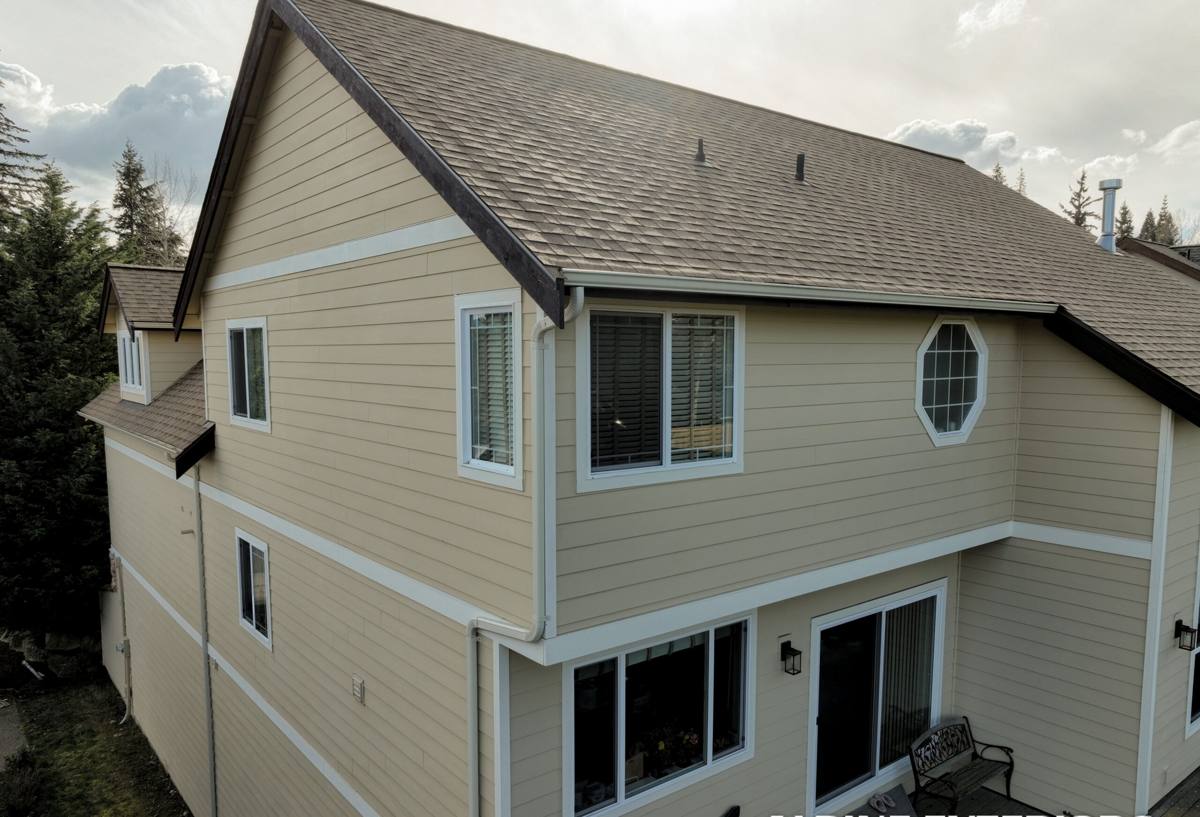
Why Oldsmar's Climate Is Hard on Roofs
Wind Load and Uplift
Pinellas County sits in a high-velocity hurricane zone, and Florida Building Code reflects that with wind-uplift requirements that are stricter than most of the country. A roof isn't just resisting rain here — it's resisting the wind trying to peel it off the house. Every layer of a proper installation, from the nailing pattern on the decking to the fastening schedule on the shingles or panels, is there to keep that uplift force from ever finding a weak point.
UV Exposure
Florida sun is relentless, and it's not just about fading color. UV breaks down the oils and asphalt binders in roofing materials over time, which is why a shingle rated for 25-30 years up north often runs shorter here unless it's a product specifically formulated for high-UV climates. We factor that into every material recommendation instead of pretending a national average lifespan applies locally.
Wind-Driven Rain
A storm moving through with sideways rain doesn't test a roof's covering nearly as much as it tests the underlayment and flashing underneath it. Water pushed uphill by wind will find any seam that wasn't sealed correctly. This is where a lot of roof failures actually start — not with the visible shingles, but with details most homeowners never see until there's a stain on the ceiling.
Salt Air Corrosion
Being close to Tampa Bay means airborne salt is a constant, low-grade factor on metal components — nails, flashing, vents, and any exposed fasteners. Standard fasteners can start showing rust streaks within a few years in this environment. We spec corrosion-resistant hardware on every Oldsmar job for that reason, not as an upsell but as a baseline.
Signs an Oldsmar Roof Needs Full Replacement, Not Another Repair
Not every roofing problem calls for a full tear-off. But there's a point where patching stops making financial sense and starts becoming money spent delaying the inevitable. Common signs we see on Oldsmar homes include:
- Shingles that are curling, cupping, or losing granules across large sections rather than one isolated spot
- Multiple past repairs in different areas of the roof, suggesting the underlayment is failing broadly
- Visible sagging in the roofline, which can point to decking damage underneath
- Daylight visible through the attic decking or consistent musty odor suggesting trapped moisture
- A roof approaching or past the manufacturer's expected service life for this climate, especially if it's never been inspected after a major storm
- Rising energy bills tied to poor attic ventilation or degraded insulation from long-term leaks
If your roof is showing one or two of these, a repair might still be reasonable. If it's showing several at once, replacement is usually the more honest answer, and we'll tell you that directly rather than stringing out repairs on a roof that's already at the end of its service life.
What a Correct Roof Replacement Actually Involves
Tear-Off and Decking Inspection
We remove the existing roof covering down to the decking, which is the only way to actually see what's underneath. This step matters more in Florida than people expect, because moisture that's been getting in slowly can rot plywood decking without ever showing an obvious leak inside the house. Any damaged decking gets replaced before anything new goes down — installing new roofing over compromised decking just guarantees a shorter lifespan and voids most manufacturer warranties anyway.
Underlayment
This is the roof's real waterproofing layer, and in a wind-driven rain climate like ours it deserves more attention than it usually gets in a sales pitch. We use synthetic or self-adhering underlayment appropriate to the roof pitch and product, with special attention to valleys, eaves, and any low-slope transitions where water tends to collect.
Flashing
Flashing around chimneys, skylights, sidewalls, and any roof penetrations is where the majority of leaks actually originate, not the field of the roof itself. Every flashing detail gets rebuilt as part of a full replacement rather than reused, since old flashing is often the exact reason the roof needed replacing in the first place.
Ventilation
Proper intake and exhaust ventilation keeps attic temperatures and moisture in check, which protects both the new roof from underneath and the decking from premature failure. We check and correct ventilation as part of every replacement rather than treating it as a separate add-on.
Roof Covering Installation
Whether it's architectural shingles, metal, or another covering, installation follows the fastening pattern and exposure rate specified for high-wind zones, not the minimum spec on the box. This is one of the more common shortcuts we see on past work in the area, and it's usually where uplift failures start during storms.
Material Options for Oldsmar Homes
| Material | Typical Lifespan Here | Wind Performance | Best Fit |
|---|---|---|---|
| Architectural asphalt shingles | 18-25 years | Good, when rated and installed for high-wind zones | Most residential homes, budget-conscious replacements |
| Metal (standing seam or panel) | 40-50+ years | Excellent | Homeowners wanting maximum wind and longevity performance |
| Tile (concrete or clay) | 40-50+ years | Very good when properly fastened | Homes matching existing tile aesthetic in the neighborhood |
We don't push one product across every home. The right call depends on your roof's structure, your budget, how long you plan to stay in the home, and what fits the house architecturally. We'll walk through honest trade-offs for your specific roof rather than a one-size answer.
Permits, Code, and Inspections in Pinellas County
A full roof replacement in Oldsmar requires a permit through Pinellas County, and that permit process includes inspections tied to Florida Building Code's wind-uplift and fastening requirements. This isn't paperwork for its own sake — it's what confirms the roof was actually installed to the standard the code requires for this wind zone. We handle the permitting and inspection scheduling as part of the job, so you're not left navigating county requirements on your own. If a contractor is offering to skip permits to save time, that should be a red flag, not a convenience.
Our Process, Start to Finish
- Free on-site inspection and estimate, including a look at your attic and decking condition where accessible
- Written estimate outlining material options, scope of work, and timeline
- Permit filing with Pinellas County before any work begins
- Tear-off, decking repair as needed, and disposal of old materials
- Underlayment, flashing, and ventilation work
- New roof covering installation to code-required wind specifications
- Final walkthrough and county inspection sign-off
We keep the property protected throughout, including magnetic sweeps for stray nails and daily cleanup, since a roofing job that leaves debris behind isn't actually finished.
What to Check Before Hiring Any Roofer in Oldsmar
- Active Florida roofing license, verifiable through the state license lookup
- General liability and workers' compensation insurance, with proof provided in writing
- A physical presence or established service history in the Pinellas County / Clearwater area
- A written estimate that specifies materials, fastening method, and underlayment type — not just a total price
- Manufacturer certification if you're considering a product with an enhanced or extended warranty
- Willingness to pull permits themselves rather than asking you to do it
A crew that regularly works in Oldsmar and the surrounding Clearwater area already knows the county's inspection process, the typical roof structures common to the neighborhood, and how the local wind and salt exposure should shape material choice and installation details. That familiarity shows up in fewer surprises during the job and a roof that's built for the conditions it actually has to survive, not a generic national spec.
Maintaining Your New Roof
A properly installed roof still benefits from basic upkeep in this climate. Keep gutters clear so water isn't backing up under the eaves, trim overhanging branches that can drop debris or scrape shingles in wind, and have the roof inspected after any major storm even if you don't see obvious damage from the ground. Small issues caught early are inexpensive; the same issues left through a second or third storm season usually aren't.
If you're weighing a roof replacement in Oldsmar, we're happy to take a look and give you a straight answer on what your roof actually needs. Reach out for a free, no-pressure estimate using the form below.