 Clearwater Siding
 Asphalt Shingle Roofing Built for Oldsmar's Climate
Oldsmar sits at the north end of Pinellas County, tucked along Tampa Bay, and that location means local roofs deal with a specific combination of stress that inland Florida homes don't face the same way. Salt-laden air drifts in off the bay, summer humidity and UV exposure run high nearly year-round, and the same storm systems that push through the Tampa Bay area bring sustained winds and wind-driven rain that test every seam, nail, and flashing detail on a roof. An asphalt shingle roof that's installed correctly for these conditions can perform well for decades. One that's installed with shortcuts tends to show it early, usually starting at the edges, valleys, and penetrations.
This page covers what we look at, and what we install, when we're doing asphalt shingle roofing specifically for homes in Oldsmar and the surrounding Clearwater and Pinellas County area.
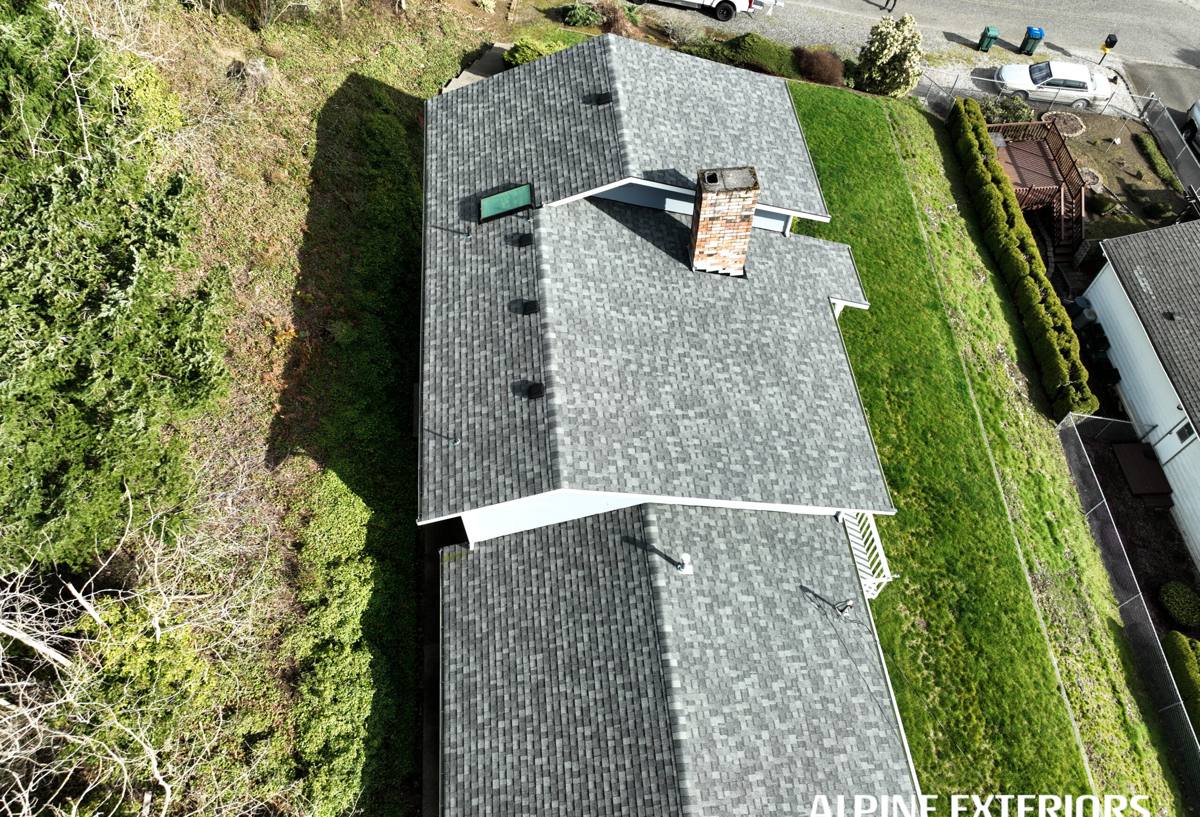
What Oldsmar's Climate Actually Does to a Shingle Roof
Wind
Hurricane season brings the obvious risk, but it's not just the named storms. Regular thunderstorm activity in this part of Florida generates gusty, shifting winds that get up under shingle tabs if the seal strip hasn't bonded properly or if the wrong nailing pattern was used. Wind damage rarely announces itself as a single dramatic event — more often it's a few lifted or missing shingles after a storm that, left alone, become the entry point for water damage months later.
UV and Heat
Florida sun is hard on asphalt shingles. UV exposure breaks down the asphalt binders over time, and the granules that protect that asphalt layer gradually wear away. Roofs that face long, unbroken southern or western sun exposure typically age faster than shaded portions of the same roof. This is a slow process, but it's constant, and it's one of the main reasons shingle roofs in this region don't last as long as the same product would in a cooler, cloudier climate.
Wind-Driven Rain
Straight-down rain is rarely the problem. Rain that's being pushed sideways by wind finds its way under shingle edges, around vent boots, and into any flashing detail that isn't properly lapped and sealed. This is why underlayment choice and flashing work matter as much as the shingles themselves — a beautiful shingle job over poor flashing will still leak.
Salt Air
Oldsmar's proximity to Tampa Bay means metal roofing components — flashing, drip edge, nail heads, vent stacks — are exposed to a mildly corrosive environment. Over years, lower-grade or unprotected metal components can corrode faster here than they would further inland, which is part of why component selection matters, not just shingle brand.
What a Correct Asphalt Shingle Job Includes
A shingle roof is a system, not a single product. Every layer has a job, and skipping or shortcutting any one of them shows up eventually.
- Deck inspection and repair: Plywood or OSB decking gets checked for soft spots, delamination, or rot before anything new goes down. Covering a bad deck with new shingles just hides a problem that will resurface.
- Underlayment: A synthetic or self-adhering underlayment layer that acts as the roof's real waterproofing barrier — the shingles are the weather shield, the underlayment is the backup.
- Flashing: Properly formed and lapped metal at roof-to-wall transitions, chimneys, skylights, and valleys. This is where most leaks actually originate, not in the open field of shingles.
- Drip edge: Metal edging along eaves and rakes that directs water away from the fascia and roof deck edge.
- Ventilation: Balanced intake and exhaust airflow through the attic, which controls heat buildup and moisture — both of which shorten shingle life and can void manufacturer warranties if ignored.
- Nailing pattern: Shingles installed with the correct number and placement of nails per manufacturer and wind-rating specifications, not a rushed minimum.
- Starter strip and ridge cap: Proper starter shingles at the eaves and rakes, and correctly installed ridge cap shingles at the peaks — both are common places where crews cut corners.
Choosing the Right Shingle for a Coastal Pinellas Home
Not every asphalt shingle is built the same, and the right choice depends on budget, wind exposure, and how long you plan to be in the home.
| Shingle Type | Typical Wind Rating | Best Suited For |
|---|---|---|
| 3-tab (standard) | Lower wind ratings, generally 60-70 mph | Budget-conscious projects on less wind-exposed roof planes |
| Architectural / laminate | Typically 110-130 mph when properly installed | Most Oldsmar homes — better wind performance and longer expected service life |
| Impact-resistant (Class 4) | High wind ratings plus hail-impact rating | Homes seeking possible insurance premium credit and added storm resilience |
We'll walk through these trade-offs honestly rather than defaulting to whatever has the highest markup. For most Oldsmar homes, a quality architectural shingle rated for regional wind speeds, installed with the full underlayment and flashing system described above, is the practical sweet spot between upfront cost and long-term performance. Some manufacturers also offer enhanced warranty tiers when their full shingle-and-accessory system is installed together, which is worth discussing based on your specific goals.
Our Process for an Oldsmar Roofing Project
1. On-Site Inspection
We start by physically walking the roof, checking the deck condition where accessible, reviewing existing flashing and ventilation, and noting any problem areas — not just estimating from a satellite photo.
2. Honest Assessment and Written Estimate
You get a clear explanation of what the roof needs, what's optional versus necessary, and a written estimate that spells out materials, scope, and price ranges. No pressure tactics, no artificial deadlines.
3. Material Selection
We help you choose a shingle line and color that fits your budget, your home's exposure, and your neighborhood's look, and we explain the real differences between tiers instead of just upselling.
4. Tear-Off and Deck Prep
Old roofing material comes off down to the deck (patch jobs over existing layers hide problems and shorten the life of the new roof), and any deck repairs happen before a single new shingle goes down.
5. Installation
Underlayment, flashing, drip edge, starter strip, field shingles, and ridge cap installed in the correct sequence and to manufacturer wind-rating specifications for this region.
6. Final Walkthrough and Cleanup
We inspect the completed roof with you, cover warranty details in plain terms, and make sure the property is cleaned of debris and nails before we consider the job done.
What Drives the Cost of a Shingle Roof
Every roof is different, but a few factors consistently move the price up or down.
| Factor | Effect on Cost |
|---|---|
| Roof size and number of planes | More square footage and more complex geometry (valleys, dormers, hips) increases labor time |
| Deck condition | Rotted or soft decking found during tear-off adds repair cost not visible in an initial estimate |
| Shingle tier | 3-tab, standard architectural, and impact-resistant shingles carry different material costs |
| Roof pitch and access | Steeper roofs and difficult access require more safety setup and slow the work |
| Ventilation upgrades | Adding or correcting ridge vents, soffit vents, or attic fans adds to scope but improves roof longevity |
| Layers of existing roofing | Multiple existing layers requiring full tear-off add disposal and labor cost |
We won't quote a number without seeing the roof, but we're happy to talk through realistic ranges and what typically drives a project toward the lower or higher end of that range during an estimate visit.
Signs an Oldsmar Roof Needs Attention
Most shingle roof problems give some warning before they become a full leak. Worth checking for, or having us check for:
- Shingles that are curling, cracking, or missing granules in patches
- Missing or lifted shingles after a windy afternoon or storm
- Dark streaking or staining on the roof surface
- Granules collecting in gutters or at downspout outlets
- Soft spots felt when walking the roof, or sagging visible from the ground
- Daylight visible through the attic decking
- Water stains on interior ceilings, especially near exterior walls or chimneys
- A roof approaching or past 15-20 years old that hasn't been inspected recently
Why Work With a Crew That Already Knows Oldsmar
Roofing standards, permitting requirements, and wind-load expectations aren't identical everywhere in Florida — they're shaped by local building codes and the specific storm exposure of a given area. A crew that regularly works in Oldsmar and the broader Clearwater and Pinellas County area already understands the permitting process here, has a working relationship with local suppliers for material availability, and has seen firsthand how roofs in this specific stretch of the Tampa Bay coastline age and fail. That local familiarity shows up in fewer surprises during the project and a roof that's built for the conditions it will actually face, not generic conditions from a different climate zone.
If you're weighing a repair against a full replacement, or just want a straight answer on what your current roof needs, we're glad to take a look. Reach out for a free, no-pressure estimate using the form below.