 Clearwater Siding
 Building Decks for Oldsmar's Bay-Area Climate
Oldsmar sits along Old Tampa Bay in Pinellas County, which means any outdoor structure here deals with a specific mix of conditions: long stretches of intense UV exposure, heavy summer humidity, wind-driven rain during storm season, and a hint of salt in the air carried off the bay. A deck built with generic, one-size-fits-all methods might look fine the day it's finished, but within a few seasons the fasteners rust, the boards cup, and the frame starts to loosen at the connections. A deck built for this specific climate holds up instead of just surviving.
We treat deck building in Oldsmar as a structural project first and a finish-carpentry project second. The framing, the fasteners, the drainage, and the attachment to the house all matter more here than in a drier, milder climate — because Florida's combination of heat, moisture, and wind stresses every one of those details at once.
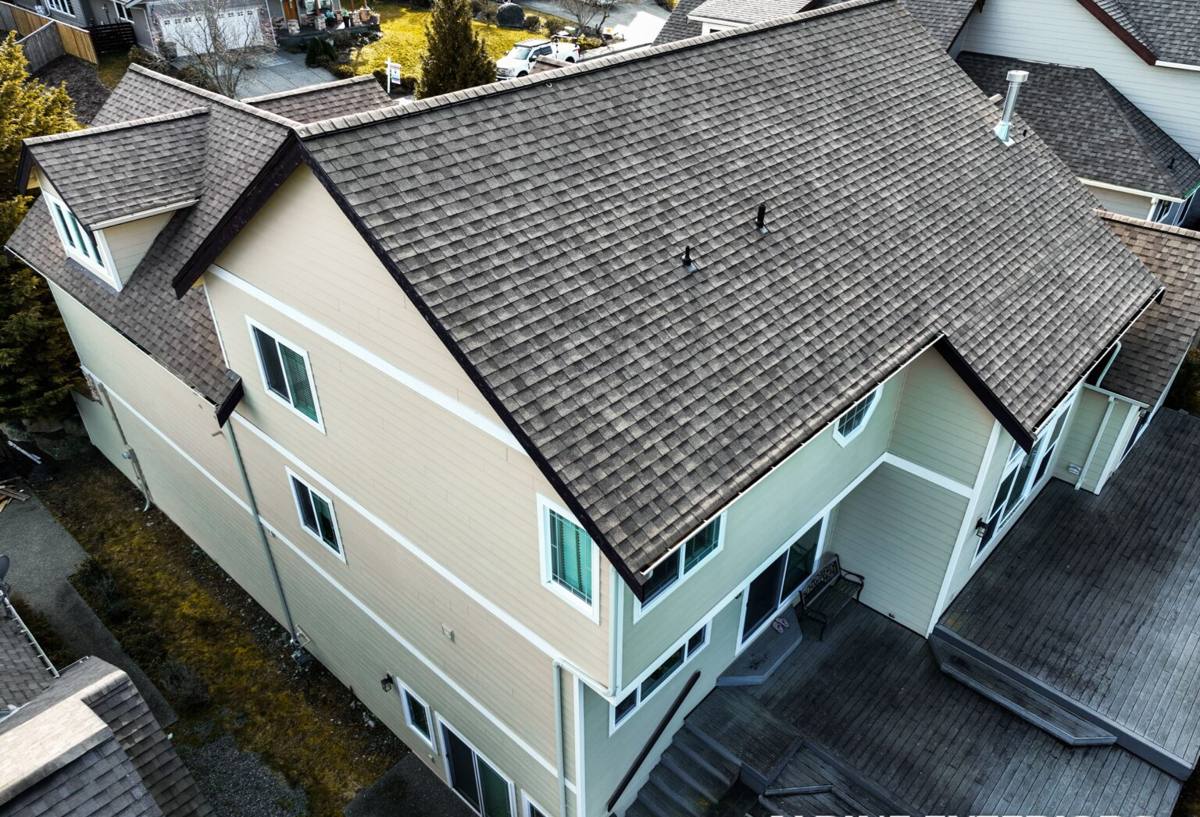
What Local Homes Actually Need From a Deck
Heat and UV
Pinellas County gets sun exposure nearly year-round. Wood decking that isn't properly sealed and maintained will gray, crack, and splinter faster here than in a northern climate. Composite and PVC decking are more UV-stable, but even those products vary in how they handle constant heat — some darker composite colors get noticeably hot underfoot, which matters if you're barefoot by a pool.
Humidity and moisture
Consistent humidity keeps wood framing damp longer after rain, which accelerates rot at joints and fastener holes if the wrong materials or details are used. Proper drainage, airflow underneath the deck, and moisture-resistant hardware aren't optional upgrades here — they're the difference between a deck that lasts and one that needs structural repair in five years.
Wind and storms
Pinellas County building code reflects the region's exposure to tropical storms and hurricane-force wind events. That means ledger attachment, post-to-beam connections, and joist hangers all need to be sized and fastened to resist uplift and lateral load — not just support the weight of people standing on the deck.
Salt-tinged air
Oldsmar isn't beachfront, but it borders Tampa Bay, and bay-adjacent properties still see more airborne salt and moisture than inland homes. Standard zinc-coated screws and bargain hardware corrode faster in that environment. It's a detail that's invisible when the deck is new and very visible five years later.
Decking Material Options: How They Compare
There's no single "best" decking material for every Oldsmar home — it depends on budget, how much upkeep you want to do, and how the deck will be used. Here's how the common options actually compare in this climate.
| Material | Upfront Cost | Maintenance | Climate Performance |
|---|---|---|---|
| Pressure-treated wood | Lowest | Annual cleaning and re-sealing recommended | Prone to cracking, splintering, and graying without upkeep; good structural strength when properly treated |
| Composite decking | Mid to upper-mid | Occasional washing, no sealing or staining | Resists rot and UV fading well; quality varies by brand and product line |
| PVC / capped polymer | Highest | Minimal — washing only | Best moisture resistance of the three; fully synthetic, doesn't absorb water |
| Tropical hardwoods | High | Regular oiling to maintain color and prevent checking | Naturally dense and rot-resistant, but installation is less forgiving and cost runs high |
We'll walk through these options honestly during your estimate, including where each one tends to disappoint homeowners who weren't told the full trade-offs up front — for example, some composite lines can retain more heat underfoot than wood, and some hardwoods require more seasonal attention than homeowners expect.
Framing and Structure: Where Decks Actually Fail
Most deck failures don't start in the decking boards — they start in the framing underneath, where problems stay hidden until something gives. Getting these details right matters more in Pinellas County's climate and wind exposure than almost anywhere else in the country.
- Footings sized for the soil and load — undersized or shallow footings shift over time, especially after saturated ground from heavy rain events.
- Ledger board attachment — the connection to the house needs proper flashing and fastening to resist both moisture intrusion and structural pull-away.
- Joist hangers and structural connectors — rated hardware sized to the actual load, not just whatever's on the shelf.
- Post-to-beam connections — mechanical connections designed to resist uplift, not just gravity load.
- Proper joist spacing — spacing that accounts for the decking material chosen, since composite and PVC products often have different span ratings than wood.
- Airflow and drainage underneath — ground clearance and grading that let the structure dry out between rain events instead of staying damp.
Fasteners and Hardware: The Detail Most Contractors Skip
In a bay-adjacent climate, the hardware holding your deck together matters as much as the lumber itself. Standard electro-galvanized screws and nails can start corroding within a few years in Florida's humidity and salt air, especially at the fastener heads where coating wears thin during installation. We use stainless steel or high-grade coated fasteners rated for coastal and treated-lumber exposure, along with corrosion-resistant structural connectors at every load-bearing point. It costs more up front than the bargain option — it also means you're not looking at rust streaks and loosening boards a few summers in.
Railings, Stairs, and the Code Details Homeowners Overlook
The framing and decking get most of the attention, but railings and stairs are where a lot of decks run into inspection trouble or, worse, become a safety issue over time. Guardrails on raised decks need to meet minimum height requirements, and baluster spacing has to be tight enough that a small child can't slip through — this is a standard life-safety requirement, not a design preference. Stair stringers need consistent rise and run from step to step, and handrails need to be graspable and properly anchored, not just decorative.
These details matter even more in a climate where humidity and thermal movement can work fasteners loose faster than in a drier region. A railing post that's solid at installation can develop play within a couple of years if it wasn't anchored correctly to begin with. We build these connections to hold up under regular use, not just to pass a first inspection.
Our Deck Building Process
- On-site assessment. We look at your yard's grading, drainage, sun exposure, and how the deck will connect to the house before recommending anything.
- Design and material selection. We walk through material options honestly, including realistic maintenance expectations for each, and design the layout around how you'll actually use the space.
- Permitting. We handle the permit application and coordinate required inspections with the local building department, so the structure is documented and code-compliant from day one.
- Framing and structural work. This is where we spend the most care — footings, ledger attachment, framing, and hardware, all sized to the load and the wind exposure.
- Decking, railing, and finish work. Once the structure is solid, we install and finish the visible surfaces to a clean, consistent standard.
- Final walkthrough and inspection. We confirm the finished deck passes inspection and walk you through basic care for whatever material you chose.
Permitting and Local Code
New decks and significant deck rebuilds in Oldsmar and the rest of Pinellas County generally require a building permit and inspection, since the structure has to meet wind load and structural requirements for the region. Permit requirements can vary based on deck height, attachment to the house, and whether electrical or plumbing work is involved. We handle this as part of the project rather than leaving it on the homeowner to sort out — it's one less thing to chase down, and it protects you if you ever sell the home and a buyer's inspector asks about permit history.
What Drives the Cost of a Deck Project
Every deck is priced around its own combination of size, material, and site conditions, so we won't quote a number without seeing the property. What we can tell you is what actually moves the price up or down.
| Cost Factor | Why It Matters |
|---|---|
| Decking material | Pressure-treated wood costs less upfront than composite or PVC, which cost more but need less ongoing maintenance |
| Deck size and shape | Multiple levels, curves, or built-in features add labor and material beyond a simple rectangle |
| Height off the ground | Taller decks need more substantial framing, railings, and often stairs, which adds cost |
| Site access and grading | Difficult access or uneven ground can add site prep and labor time |
| Railing and finish choices | Cable rail, custom balusters, and built-in seating or lighting all add to the finish budget |
| Existing structure removal | Tearing out and disposing of an old deck adds cost before the new build even starts |
Maintenance That Actually Matters Here
Whatever material you choose, a little seasonal attention goes a long way in this climate. Wood decks benefit from a yearly wash and resealing to fight UV graying and moisture absorption. Composite and PVC decks need far less — mainly periodic washing to keep pollen, mildew, and salt residue from building up on the surface. For every material, it's worth periodically checking railings and stair connections for looseness, since humidity and thermal cycling can work fasteners loose over time faster here than in drier regions.
Why Hiring a Crew That Works Oldsmar Regularly Matters
A contractor who works Pinellas County regularly already knows the local building department's requirements, the typical soil and drainage conditions in the area, and which materials and hardware actually hold up against Tampa Bay's combination of heat, humidity, and salt air. That's not something you can fully substitute with a generic national franchise or a crew based hours away — the permitting process, inspection scheduling, and material choices all go smoother with a team that's done this exact kind of project in this exact area before.
We'd rather build a deck once, correctly, than come back in a few years to fix a structure that was rushed or built with the wrong hardware for the climate.
Ready to Talk Through Your Deck Project?
If you're considering a new deck or replacing an aging one at your Oldsmar home, we're happy to walk the site, talk through material options honestly, and put together a clear estimate — no pressure, no obligation. Use the form below to get started.