 Clearwater Siding
 Belleair Roofs Face a Different Kind of Wear
Belleair sits along the Pinellas County coastline, close enough to open water that salt air is a constant presence on roofing materials, and close enough to Clearwater that the same tropical weather pattern hits both communities on the same afternoon. That combination — salt, sun, and storm wind — ages a roof faster here than it would inland, and it ages different roof systems in different ways. A barrel tile roof on an older Belleair home fails differently than a dimensional shingle roof on a newer build a few streets over, and a repair that ignores those differences tends to fail again within a year or two.
We work roofs in Belleair and the surrounding Clearwater area regularly, which means we're not guessing at how this specific stretch of coastline treats a roof. We're diagnosing and repairing based on what we've already seen fail here.
What "Roof Repair" Actually Means (and What It Doesn't)
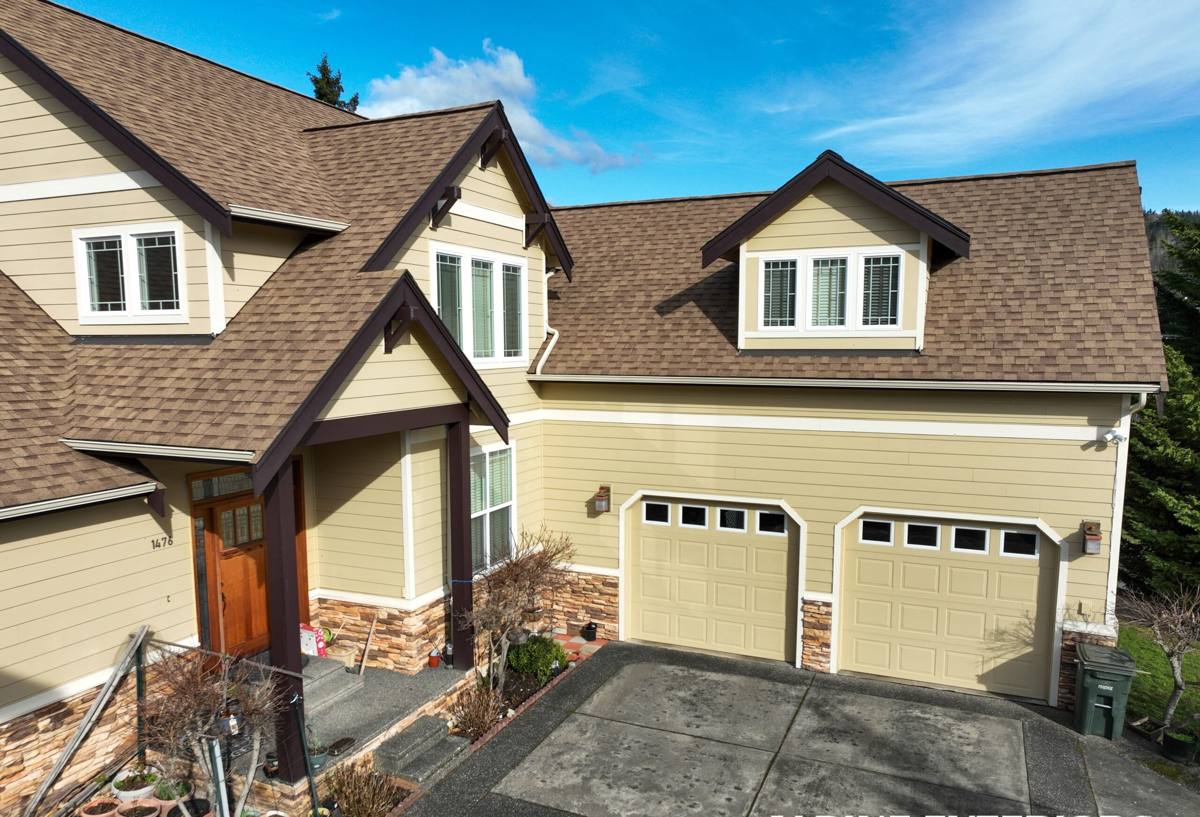
A lot of roof repair calls in this area start with a stain on a ceiling or a few missing shingles after a windstorm. The mistake — one we see homeowners inherit from a previous quick fix — is treating the visible symptom instead of the underlying cause. Sealing a crack in a tile or slapping new shingles over a soft spot doesn't fix a roof; it hides the problem until the next hard rain.
A correct repair identifies:
- Where water is actually entering, which is often several feet from where it shows up on the ceiling
- Whether the underlayment beneath the surface material has already failed
- Whether flashing at penetrations (vents, chimneys, wall intersections) is the real source of the leak
- Whether the damage is isolated or a sign that the roof section is nearing the end of its service life
Only after that diagnosis does the actual repair — replacing tile, shingles, underlayment, flashing, or fasteners as needed — make sense.
Why This Matters More in Belleair
Salt-laden air accelerates corrosion on exposed metal fasteners and flashing faster than it would in a drier, inland Florida location. A repair that reuses corroded fasteners or generic flashing is starting from a weaker point than the same repair done elsewhere in the state.
Common Roof Problems We See in This Area
Tile Roofs
Older Belleair homes often carry tile roofs, and the tile itself is usually durable. The failure point is almost always underneath: the underlayment that actually keeps water out has a service life shorter than the tile sitting on top of it. Cracked or slipped tiles from wind uplift are a common repair, but the more important check is whether the underlayment beneath the surrounding tiles is still intact.
Shingle Roofs
Wind-driven rain during Gulf storms gets pushed sideways and upward under shingle edges and ridge caps, which is where most shingle leaks in this region actually start — not in the open field of the roof. UV exposure over years also makes shingles brittle, so a repair crew has to be careful not to crack surrounding shingles while replacing damaged ones.
Flat and Low-Slope Sections
Additions, lanais, and porch roofs in this area are often low-slope or flat, and they rely on membrane seams and proper drainage rather than shingles or tile. Ponding water and seam separation are the usual culprits, and they're easy to miss from the ground.
Our Repair Process
1. On-Site Inspection
We walk the roof and the attic or ceiling area where the problem is showing, rather than diagnosing from a photo or a driveway glance. Coastal Pinellas County roofs hide their real problems — a leak visible in one room often traces back to a flashing failure well away from that spot.
2. Honest Diagnosis
We tell you what's actually wrong, what's driving it, and whether it's a contained repair or a sign of broader wear. If a repair is genuinely the right call, we say so. If the roof is old enough or damaged enough that repair is just delaying an inevitable replacement, we say that too.
3. The Repair Itself
We match materials to what's already on the roof where possible, replace underlayment and flashing rather than just surface material when that's the actual leak source, and use fasteners and flashing rated for coastal, high-wind exposure.
4. Documentation
You get a clear explanation of what was repaired and why, which matters for insurance records and for your own knowledge if you sell the home later.
Repair vs. Replacement — How We Help You Decide
| Factor | Points Toward Repair | Points Toward Replacement |
|---|---|---|
| Age of roof | Roof is within its expected service life | Roof is near or past its expected lifespan for its material |
| Extent of damage | Isolated to one section or penetration | Multiple sections showing similar wear |
| Underlayment condition | Still intact beneath surrounding material | Brittle, torn, or failing in multiple spots |
| Frequency of past repairs | This is the first issue in years | Same roof, repeat repair calls |
| Storm/wind damage pattern | Localized uplift or debris damage | Widespread lifting, exposed underlayment, granule loss |
Cost is always part of this conversation, and in general terms: a contained repair — a section of flashing, a handful of tiles or shingles, a resealed penetration — is a modest expense. Repairs that involve significant underlayment replacement or a large section of the roof start to close the cost gap with a full replacement, which is exactly why an honest inspection matters before committing to either path.
Workmanship Standards We Hold to on Every Repair
Given the wind and salt exposure common to this part of Pinellas County, we don't cut corners on the details that determine whether a repair holds up through the next storm season:
- Flashing and fasteners rated for coastal, high-wind exposure — not generic inland-grade materials
- Underlayment replaced wherever it's compromised, not just patched over
- Tile and shingle matched to existing material for a consistent, weather-tight result
- Attention to ridge caps, valleys, and penetrations, since these are where the vast majority of local leaks start
- A finished repair that's built to handle wind-driven rain, not just still-air testing
Signs Your Belleair Home Needs a Roof Repair Now
- A ceiling stain that appears or grows after a storm, even a small one
- Missing, cracked, or slipped tiles or shingles you can see from the ground
- Granules collecting in gutters or at downspouts (a sign of shingle wear)
- Visible daylight or gaps around vent pipes, chimneys, or wall flashing from the attic
- A musty smell in an attic or upper room after humid weather
- Curling, lifted, or brittle-looking shingle edges
- Ponding water that doesn't drain within a day on a flat or low-slope section
None of these guarantee a major problem, but all of them are worth a professional look before the next heavy rain.
Why It Matters That We Already Work in Belleair
A repair crew that's unfamiliar with this specific stretch of the Pinellas County coastline is working from general roofing knowledge. A crew that already works Belleair regularly knows how the local combination of salt air, sun exposure, and storm wind tends to age tile, shingle, and flat roof sections here — and knows it from repeat, hands-on experience, not a textbook. That translates into a faster, more accurate diagnosis and a repair that's built for the conditions your roof is actually going to face, not generic conditions.
It also means a faster response. After a windstorm moves through Clearwater and the surrounding barrier and coastal communities, roofs across the whole area tend to need attention at once. Being based locally means we're not driving in from across the region to reach you.
Protecting Your Roof Between Repairs
A few habits go a long way toward reducing how often you need a repair call in this climate:
- Have your roof visually inspected after any significant windstorm, not just once a year
- Keep gutters and downspouts clear so water isn't backing up under roof edges
- Trim back tree limbs that overhang the roof, which reduce debris impact and abrasion
- Address small issues — a lifted shingle, a hairline crack in a tile — promptly rather than waiting for a leak to appear
None of this eliminates the need for repairs eventually. Salt air, UV, and hurricane-season wind are simply part of owning a home in this part of Florida. But staying ahead of small issues keeps repairs small and contained instead of letting them grow into replacement-level damage.
If you're dealing with a leak, storm damage, or just want an honest read on your roof's condition, we're glad to come take a look. The estimate is free, there's no pressure to act on it immediately, and you'll get a straight answer about what your roof actually needs. Use the form below to get started.