 Clearwater Siding
 Roof Repair for Coachman Ridge Homes
Coachman Ridge is one of Clearwater's established residential neighborhoods, and like most inland Pinellas County communities, its homes carry a mix of roof ages and types — older 3-tab shingle roofs approaching the end of their service life, newer architectural shingle roofs, and a number of tile roofs that have held up well but still need periodic attention around flashing, valleys, and penetrations. When something goes wrong on a roof here, it's rarely a mystery once you get up there. It's usually a specific, findable point of failure that let water in, and a correct repair means finding that point, fixing it properly, and confirming the rest of the roof isn't hiding a second or third problem nearby.
This page is about roof repair specifically — patching, resealing, re-flashing, and section replacement — not full roof replacement. If your roof is sound overall but has a leak, storm damage, or a trouble spot that needs attention, this is the service that applies.
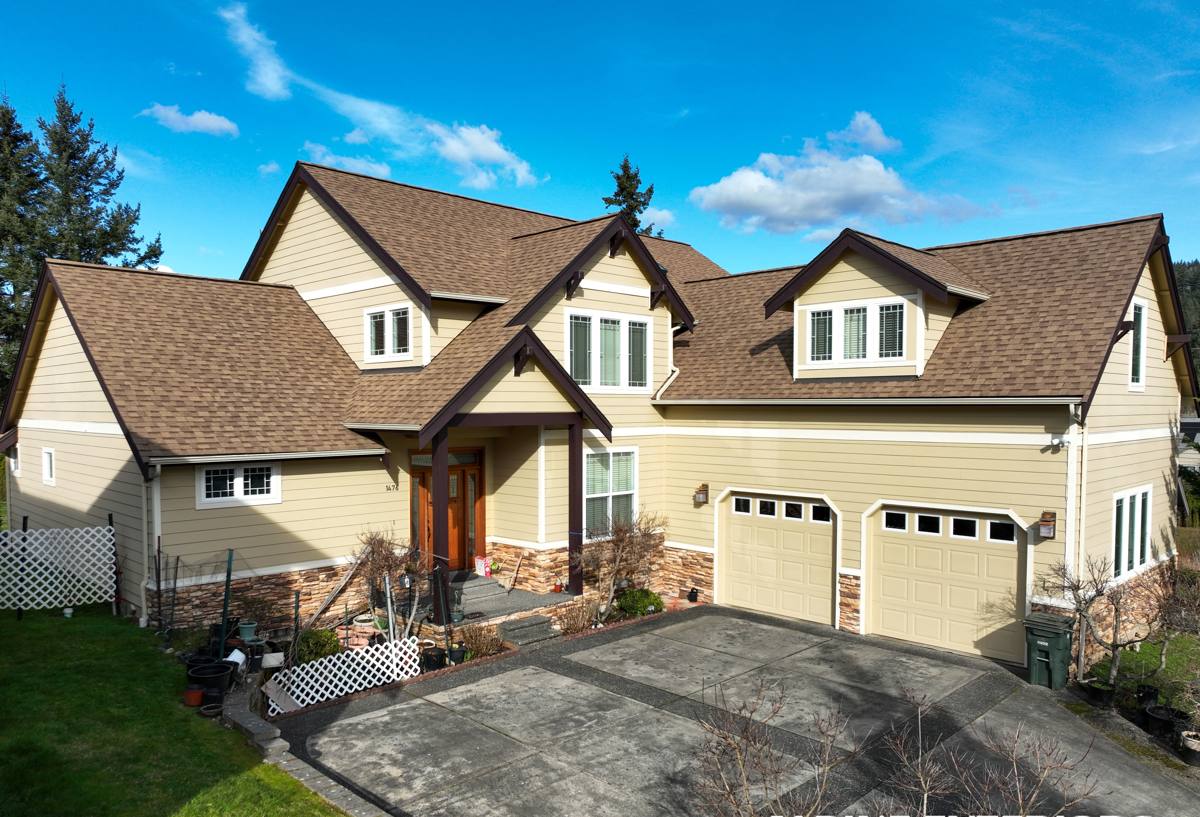
What Clearwater's Climate Does to a Roof
Every roof in this area is fighting the same combination of forces, and it shows up in predictable ways over time.
Hurricane-Force Winds
Wind doesn't just lift shingles — it works them loose at the edges and ridge lines first, breaking the seal underneath even when the shingle looks intact from the ground. Once that seal is broken, the next storm has an easier time finishing the job. Tile roofs face a related risk: wind-driven debris and uplift can crack or dislodge individual tiles, and a cracked tile that isn't replaced becomes an entry point the next time it rains.
Wind-Driven Rain
Clearwater storms rarely fall straight down. Rain driven sideways finds gaps that a vertical downpour never would — under lifted shingle tabs, around poorly sealed flashing, and through nail holes that have backed out over time. This is why leaks here often show up during a storm and then seem to "disappear" afterward; the water is only getting in when wind pressure pushes it there.
Year-Round UV Exposure
Florida sun is hard on roofing materials for most of the year, not just summer. UV breaks down the asphalt in shingles, drying out the granule bond and making them brittle. Brittle shingles crack instead of flexing, and cracked shingles fail faster in the next windstorm. Sealant around flashing and pipe boots degrades the same way — it looks fine until it's touched.
Salt Air
Clearwater's proximity to the Gulf means salt-laden air travels further inland than people expect. It accelerates corrosion on exposed metal — flashing, fasteners, drip edge, and vent stacks — which is one of the more overlooked causes of small leaks that start as rust streaks and end as actual water intrusion.
Common Repair Issues We See in Coachman Ridge
- Lifted or missing shingles along ridges, hips, and roof edges after wind events
- Cracked or slipped roof tiles, often from foot traffic, debris impact, or age
- Failed flashing around chimneys, skylights, and wall-to-roof transitions
- Deteriorated pipe boots (the rubber collar around plumbing vents) letting water track down into the attic
- Valley leaks where two roof planes meet and water volume is highest during storms
- Soffit and fascia damage from long-term moisture intrusion that started higher on the roof
- Nail pops and exposed fasteners from thermal expansion and contraction
What a Correct Roof Repair Actually Involves
A patch that only covers the visible symptom tends to come back. A repair done right starts with figuring out where the water is actually entering — which is not always directly above the stain on the ceiling — and addresses the full path, not just the endpoint.
Inspection Before Anything Gets Touched
We walk the roof (or inspect from a lift when the pitch or condition calls for it), check the attic for moisture trails and daylight gaps, and identify every point of concern, not just the one that prompted the call. It's common to find a second, smaller issue nearby that hasn't caused a visible leak yet but will.
Matching Materials, Not Guessing
Shingle and tile repairs should match the existing roof in profile, weight, and as close to color as the current product line allows. A mismatched patch isn't just a cosmetic issue — different materials can shed water differently and create a new weak point where old and new meet.
Proper Flashing and Sealant Work
Flashing is metal — it should be replaced or properly re-secured, not just caulked over. Caulk and roofing sealant have a service life; using them to mask a flashing problem instead of fixing the flashing is a short-term fix that fails again within a season or two, especially with the UV exposure this area gets.
Code and Wind Mitigation Awareness
Pinellas County has specific requirements around re-roofing and roof repair permitting, and insurance wind mitigation credits depend on details like secondary water barriers, roof-to-wall connections, and fastening patterns. Repairs that touch these elements should be done in a way that doesn't jeopardize existing wind mitigation credits or trigger a permit requirement you weren't expecting.
Our Roof Repair Process
- Assessment: On-site inspection of the roof and attic, with photos documenting the damage and its likely cause.
- Written scope and estimate: A clear explanation of what's being repaired, what materials will be used, and what it costs — no vague line items.
- Repair: Work performed with matched materials and proper technique, not the fastest patch available.
- Verification: A check of surrounding areas to confirm no related issues were missed, and a walk-through of what was done.
- Documentation: Before-and-after photos and a written summary, useful for your records and for insurance if the damage was storm-related.
Repair vs. Replacement: How We Help You Decide
Not every roof problem calls for a full replacement, and not every repair is a good long-term investment. The honest answer depends on the roof's age, how widespread the damage is, and how many prior repairs it's already had.
| Factor | Repair Usually Makes Sense | Replacement Usually Makes Sense |
|---|---|---|
| Roof age | Well within its expected service life | At or past the manufacturer's expected lifespan |
| Damage extent | Isolated to one or two areas | Spread across multiple sections or slopes |
| Repair history | First or second repair on this roof | Repeated repairs in the same general area |
| Underlying decking | Solid, no rot found during inspection | Soft spots or rot found in the sheathing |
| Insurance situation | Damage is minor and localized | Adjuster scope covers a full slope or roof |
We'll tell you honestly which side of this table your roof falls on. There's no advantage to us in talking a homeowner into a full replacement when a proper repair will hold — and no advantage in patching a roof that's going to need real money spent on it again within a year.
Insurance and Wind Mitigation Considerations
If the damage came from a named storm or a documented wind event, it may be worth filing an insurance claim before paying out of pocket, particularly for tile roofs or larger sections of shingle damage. We document damage in a way that supports a claim if you choose to file one, but we don't pressure anyone into the insurance process — some repairs are small enough that a deductible makes filing not worth it, and we'll say so plainly. If your policy includes wind mitigation credits, it's also worth confirming that any repair work preserves the roof-to-wall and fastening details those credits are based on.
Why a Crew That Already Works Coachman Ridge Matters
Roofing work in Clearwater isn't generic — the permitting process runs through Pinellas County and the City of Clearwater, and knowing which repairs require a permit and which don't saves time and avoids problems down the line. Beyond paperwork, a crew that's worked this neighborhood and others like it in Clearwater knows the roof types that show up here, keeps common matching materials on hand instead of special-ordering for every job, and can usually get out for an inspection faster than a company driving in from across the county. When a leak is active, that response time matters — every day of delay is another chance for interior damage to spread.
Signs Your Roof Needs a Repair Call Now
- Water stains on ceilings or walls, especially ones that appear or grow after storms
- Missing, cracked, or curling shingles visible from the ground
- Cracked or displaced roof tiles
- Granules collecting in gutters or at downspout outlets
- Daylight visible through the roof deck from inside the attic
- Musty odor in the attic or top-floor rooms
- Sagging sections along the roofline
If any of these sound familiar, it's worth having someone look before the next storm rolls through — small roof problems in this climate don't stay small for long.
If you're in Coachman Ridge and dealing with a leak, storm damage, or a roof that just needs a second look, we're glad to come take a look and give you a straight, no-pressure estimate. Use the form below to get started.