 Clearwater Siding
 Roof Repair in Skycrest: Built for Clearwater's Climate, Not Just Patched
Skycrest sits in the heart of Clearwater, close enough to the Gulf that salt air, sun, and storm wind all reach every roof in the neighborhood. A roof repair here has to do more than stop a leak for a season — it has to hold up under the same conditions that caused the damage in the first place. That means a repair philosophy built around Pinellas County's actual weather, not a generic patch job pulled from a national playbook.
We work on Skycrest roofs regularly, and the failures we see follow a pattern shaped by this specific stretch of the Gulf Coast: UV-brittled shingles, wind-lifted edges and ridge caps, and flashing that's corroded faster than it should because of the salt content in the air. A repair that ignores those root causes is a repair that fails again in a year or two.
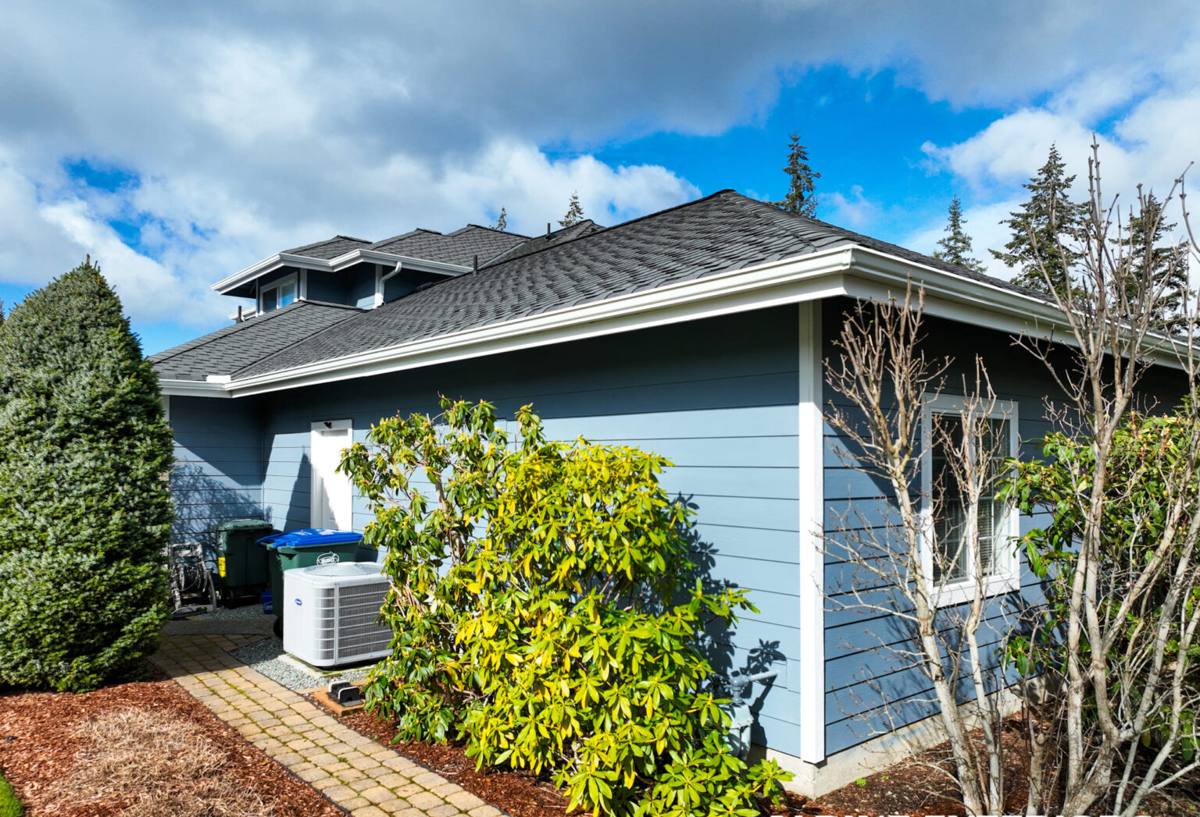
What Clearwater's Climate Does to a Roof
Every roofing material ages differently depending on climate, and Clearwater's combination of factors is tougher than most regions ever have to deal with.
Hurricane-Force Wind
Wind doesn't just tear roofs off in a named storm — it works on fasteners, seams, and shingle tabs year-round with everyday gusts and squall lines. Once wind gets under a single lifted shingle or a loose piece of ridge cap, it peels back more material with every gust after that, turning a small weak spot into a much larger repair if it's not caught early.
Intense, Year-Round UV
Florida sun is relentless in every season, not just summer. UV exposure dries out asphalt shingles, breaks down sealant strips, and makes underlayment brittle over time. Roofs here age faster under the sun than the same materials would in a milder climate, which is part of why local repair timelines and inspection intervals run shorter than national averages.
Wind-Driven Rain
Clearwater's storms rarely fall straight down. Wind-driven rain gets pushed sideways and upward under shingle edges, around vents, and into any gap in flashing that a calm-weather rain would never find. A repair that only addresses the visible leak point without checking how water is traveling under the roof surface tends to leak again in the next storm.
Salt Air
Being near the Gulf means airborne salt settles on every exposed surface. It accelerates corrosion on metal flashing, nails, vent boots, and drip edge — components that might last decades further inland but need closer attention and more corrosion-resistant materials here.
Common Roof Problems We See in Skycrest
Skycrest is an established, mostly single-family neighborhood with a mix of roof ages and roof types. The specific problems we're called out for tend to fall into a short list:
- Cracked, curling, or granule-bare shingles from sustained UV exposure
- Lifted or missing shingles along ridges, hips, and roof edges after wind events
- Corroded or improperly sealed flashing around chimneys, skylights, and roof-to-wall transitions
- Deteriorated pipe boots and vent seals letting water track into the attic
- Soft or discolored decking from a slow leak that went unnoticed for months
- Nail pops and sealant failure on older roofs nearing the end of their service life
Older homes in the neighborhood are more likely to have layered roofing history — a repair on top of a repair — which is exactly where hidden problems tend to hide until someone gets up there and actually checks the decking, not just the surface layer.
What a Correct Roof Repair Actually Involves
A roof repair that's done right isn't just about matching shingles and caulking a seam. It requires understanding how water and wind interact with the whole roof system, not just the spot where the leak showed up inside the house.
Diagnosis Before Patching
Interior leak stains rarely show up directly below the actual entry point — water travels along rafters and decking before it drips. A correct repair starts by tracing the path back to the real source, which sometimes means checking flashing or seams several feet away from where the ceiling stain appears.
Decking Condition
If water has been getting in for any length of time, the plywood or OSB decking underneath may be soft, delaminated, or rotted. Patching shingles over compromised decking doesn't hold — the new material has nothing solid to fasten to, and the leak returns.
Matching Materials and Fastening Method
Replacement shingles, flashing, and sealants need to match the existing roof closely enough to perform consistently, and every fastener needs to go in correctly for wind resistance. In this climate, that includes using corrosion-resistant fasteners and proper nail placement — not just enough nails, but nails in the manufacturer-specified pattern, which is what actually keeps shingles attached in high wind.
Our Roof Repair Process
- Inspection. We get on the roof, check the interior attic space where accessible, and identify every contributing issue — not just the one that prompted the call.
- Honest assessment. We explain what we found in plain terms, including whether a repair is the right call or whether the roof's overall condition means a repair would just be a short-term fix.
- Written scope. Before any work starts, you know exactly what's being repaired, with what materials, and what it costs.
- Repair work. We remove and replace only the damaged materials, check the decking underneath, correct the underlying cause (flashing, fastening, sealant, ventilation), and reinstall to current wind-resistance standards.
- Cleanup and final check. Job site cleared of debris and nails, repair area inspected once more before we call it done.
Repair or Replace? What Actually Drives That Decision
Not every roof problem in Skycrest needs a full replacement, and not every leak can be solved with a patch. The honest answer depends on a handful of factors we walk through with every homeowner.
| Factor | Favors Repair | Favors Replacement |
|---|---|---|
| Roof age | Well within expected service life | At or near the end of its service life |
| Extent of damage | Isolated to one area or component | Spread across multiple sections of the roof |
| Decking condition | Solid, no rot or delamination found | Soft, rotted, or repeatedly compromised decking |
| Repair history | First or infrequent repair | Repeated repairs to the same or nearby areas |
| Storm exposure | Damage from a single identifiable event | Cumulative wear from years of sun and wind |
We'll never push a full replacement when a repair will genuinely hold, and we'll never sell a patch job on a roof that's structurally past the point of a reliable fix. Either way, you get a straight answer and the reasoning behind it.
Materials and Why They Matter Here
The materials used in a repair matter as much as the workmanship, especially in a coastal climate that's harder on roofing than most of the country.
For asphalt shingle roofs, we match to the existing product where possible and use fasteners and sealants rated for wind and moisture exposure rather than whatever is cheapest. For flashing and metal components, corrosion resistance is non-negotiable this close to the Gulf — standard galvanized products can start showing rust well before the rest of the roof shows its age. Underlayment choice matters too: self-adhering, water-resistant underlayment around vulnerable areas like valleys and penetrations gives an extra layer of protection against the wind-driven rain this area gets regularly, and it's a detail that's easy to skip on a rushed repair but expensive to regret later.
We don't install lower-grade materials just because they're less expensive up front. On a coastal roof, the cheaper option often means paying for the same repair twice.
Signs You Need a Roof Repair Now
Roof problems rarely announce themselves clearly. Here's what to watch for between inspections:
- Water stains or discoloration on ceilings or upper walls
- Missing, cracked, or curling shingles visible from the ground
- Granules collecting in gutters or at downspout exits
- Daylight visible through the attic roof deck
- Musty odors or visible mold in the attic space
- Sagging spots anywhere on the roof plane
- Loose or rattling flashing after windy weather
- A recent storm with sustained high winds, even without an obvious leak yet
Catching any of these early is almost always cheaper and less disruptive than waiting for a small issue to become a bigger one.
Why Hiring a Crew That Already Works in Skycrest Matters
A roofing crew that regularly works in this specific part of Clearwater already understands the housing stock, the common roof ages, and the failure patterns tied to this coastal environment. That familiarity shows up in faster, more accurate diagnosis — less time spent figuring out what's normal for the neighborhood and more time spent actually fixing the problem correctly.
It also matters for accountability. A crew that's part of the local community has a reason to do the job right the first time and stand behind it, rather than a one-time outfit that's moved on to another county by the time a repair needs a follow-up. We're familiar with Pinellas County permitting and wind-resistance requirements, and we build every repair to meet them, not just to look finished.
Protecting Your Roof Between Repairs
A repair is only part of the picture. Between visits, a few habits go a long way in this climate: keep gutters clear so water doesn't back up under the roof edge, trim back tree limbs that can abrade shingles in wind, and have the roof looked at after any significant storm even if nothing looks obviously wrong from the ground. Small issues found during a routine check are far cheaper to fix than the ones that get discovered from an interior leak months later.
If you're dealing with a leak, storm damage, or just want a second opinion on a roof's condition, we're happy to take a look. Reach out for a free, no-pressure estimate using the form below — we'll give you a straight assessment and a clear scope before any work ever begins.