 Clearwater Siding
 Harbor Oaks is one of Clearwater's older, established neighborhoods, and the roofs on these homes have usually already been through a full cycle of Florida weather at least once. That means when a Harbor Oaks homeowner starts looking at roof replacement, it's rarely a cosmetic decision — it's a roof that's aged out, or one that took storm damage and is due for a real fix rather than another patch. Every roof in this part of Pinellas County has to stand up to hurricane-force wind events, intense year-round UV, wind-driven rain, and salt air moving in off the water. A correct replacement accounts for all four from the first shingle or panel to the last flashing detail, not just the parts that show.
Why Harbor Oaks Roofs Wear Differently
Age and proximity to the water both play a role here. A lot of homes in this neighborhood were built or last re-roofed decades ago, before some of today's wind-rating and underlayment standards existed, so a straight like-for-like replacement isn't always the right call — the deck condition, the attic ventilation, and the code requirements that apply now may all be different from what was there originally. On top of that, Harbor Oaks sits close enough to Clearwater Harbor and the Gulf that salt-laden air reaches roofs here more directly than it does further inland, which speeds up corrosion on fasteners, flashing, and any exposed metal that isn't rated for coastal exposure.
None of that makes a Harbor Oaks roof replacement unusual work for us — it's routine in this part of Clearwater. But it does mean the project usually starts with an honest look at what's actually under the existing roofing, not just an assumption that a new layer of the same material is the answer.
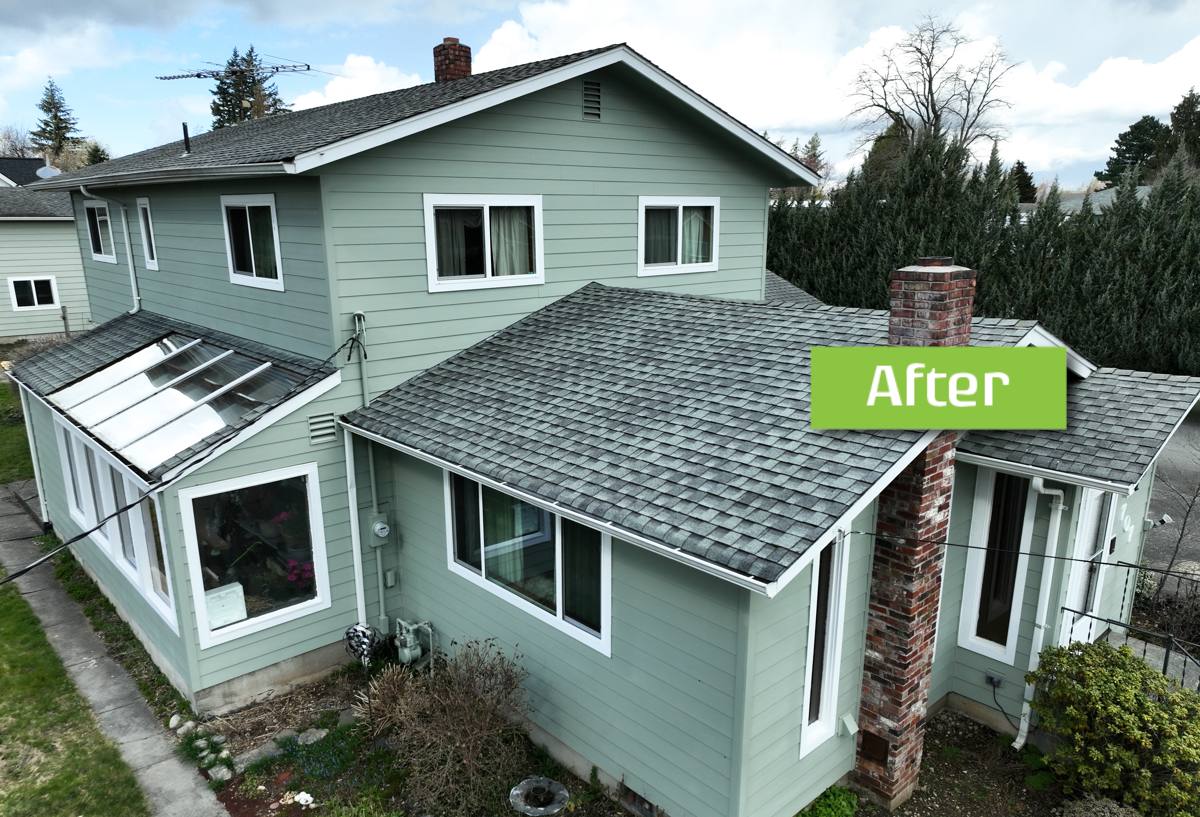
What Clearwater's Climate Actually Does to a Roof
Clearwater falls within Florida's wind-borne debris region under the Florida Building Code, so most roof replacements here have to meet wind-uplift and impact standards that a lot of the country never has to design around. That's the baseline. Beyond code minimums, four things do steady, cumulative damage to roofs in this area over the life of the system.
- Hurricane-force wind events — test every fastening pattern, every ridge and hip detail, and every edge and eave connection, often all at once during a single storm
- Intense, near-constant UV — breaks down lower-grade shingle mats, sealants, and coatings faster here than in most of the country, showing up as granule loss, brittleness, and premature aging
- Wind-driven rain — pushes water sideways and upward under normal roofing details during storms, which is why flashing and underlayment sequencing matter more here than in calmer climates
- Salt air — accelerates corrosion on nails, flashing, drip edge, and any exposed metal that isn't rated for coastal exposure, which is a bigger factor this close to Clearwater Harbor
Where Roofs Actually Fail First
It's rarely the field of the roof — the open, uninterrupted expanse of shingles or panels — that fails first. It's the transitions: where the roof meets a wall, where two roof planes meet at a valley, around chimneys and vent pipes, and along the ridge and eaves. Those are the spots wind gets underneath, water finds a way in, and a rushed installation is most likely to cut corners, because they take real time and attention to detail to get right.
Signs a Harbor Oaks Roof Is Due for Replacement
Not every roof problem means a full replacement, but a few signs consistently point that direction rather than toward a repair.
- Shingles that are curling, cracking, or losing granules across large areas rather than one isolated spot
- Visible sagging anywhere on the roof deck, which points to structural or moisture damage underneath
- Repeated leaks in different locations after storms, rather than the same one spot every time
- Missing or lifted shingles after wind events, especially if it keeps happening
- A roof at or past the manufacturer's expected service life for its material and this climate
- Visible rust or corrosion on flashing, drip edge, or exposed fasteners
- Daylight visible through the roof deck from inside the attic
What a Correct Replacement Involves
Tear-Off and Deck Inspection
A real replacement starts with full tear-off down to the deck, not an overlay. That's the only way to actually see what's underneath — rot, prior water damage, or deck sections that need to be replaced before new roofing goes down. Skipping this step is how hidden damage stays hidden for another decade.
Underlayment
The underlayment is the roof's backup water barrier, and it matters more in a climate where wind-driven rain is a regular event rather than a rare one. We spec underlayment based on the roofing material and the exposure of the specific roof, not a one-size-fits-all default.
Wind-Rated Fastening
Every roof we install for a Harbor Oaks property is fastened to meet the wind-uplift requirements that apply under the Florida Building Code for that specific property. That covers nailing pattern and fastener count, but it also covers using fasteners and flashing metal rated for salt air exposure, since standard hardware corrodes faster this close to the harbor.
Flashing at Every Transition
This is the step that decides whether a roof stays watertight through storm season after storm season. Valleys, chimneys, vent penetrations, wall-to-roof transitions, and the ridge all need flashing sequenced correctly so water sheds outward at every layer rather than finding a path underneath. We build the flashing plan around the actual roof geometry rather than treating every transition the same way.
Ventilation
Attic ventilation affects how long the new roof lasts, especially under intense Florida sun. Poor ventilation traps heat and moisture against the underside of the deck, which shortens shingle life and can contribute to deck damage over time. We check existing ventilation as part of the assessment rather than assuming it's adequate just because it's what was there before.
A Quick Checklist Before You Sign a Contract
- Confirm the quote includes full tear-off to the deck, not an overlay
- Ask what happens if deck damage is found once the old roofing comes off, and how that's priced
- Verify the fastening and flashing plan meets the wind-uplift requirements for your specific property under current code
- Ask whether flashing and exposed fasteners are rated for coastal, salt-air exposure
- Get attic ventilation addressed in the plan, not treated as an afterthought
- Confirm what's covered under warranty, since material and installation labor are often covered separately
Our Process, Start to Finish
- On-site assessment — we inspect the existing roof, attic, and ventilation, and identify likely deck condition before removal begins
- Honest recommendation — the material and system that fits the home and budget, explained with the reasoning behind it, not just whatever's fastest to install
- Full tear-off — old roofing comes off down to the deck so nothing is hidden underneath the new system
- Deck repair — any rot or damaged sheathing found during tear-off gets replaced before new roofing goes down
- Underlayment and fastening — installed to the wind-rated standard the property requires
- Flashing and finish — every valley, penetration, and transition flashed and sequenced correctly, then the field material installed and finished
Choosing a Roofing Material for This Climate
We won't recommend a material without seeing the roof in person, but the trade-offs below hold true for most Harbor Oaks homes.
| Factor | Asphalt Shingle | Metal | Tile |
|---|---|---|---|
| Wind performance | Good, with proper wind-rated products and installation | Very good when properly fastened | Good, but individual tiles can dislodge in extreme wind if not properly secured |
| UV/sun exposure | Lower-grade products degrade faster; quality matters more here than in milder climates | Holds up well to sustained UV | Very good UV resistance |
| Salt air/corrosion | Fasteners and flashing need coastal-rated hardware | Needs a coating or alloy rated for coastal exposure | Tile itself resists corrosion; flashing and fasteners still need protection |
| Typical lifespan here | Shorter end of its national range due to UV and storm exposure | Longer, with proper installation and maintenance | Long, but underlayment beneath it may need replacement before the tile does |
| Upfront cost | Lowest | Higher | Highest |
What Drives Cost
| Factor | Why It Matters |
|---|---|
| Roof size and pitch | More square footage and steeper pitches mean more material and labor time |
| Deck condition | Rot or damaged sheathing found during tear-off adds repair cost before new roofing goes on |
| Material choice | Asphalt, metal, and tile carry very different material and labor costs |
| Roof complexity | Valleys, dormers, and multiple roof planes all add flashing labor |
| Wind rating required | Higher wind-uplift specifications can mean more fasteners, better underlayment, or reinforced attachment methods |
| Access | Tight lots, mature landscaping, or limited staging space can affect labor time and equipment needs |
Why Local Experience Matters for This Kind of Work
Manufacturer installation guides are written for average, standard conditions. A roof replacement in Harbor Oaks rarely fits that description, and neither does Clearwater's weather — hurricane-force wind events, sustained UV, wind-driven rain, and salt air off the harbor all stack the deck against a shortcut installation more than they would somewhere calmer and drier. A crew that has actually replaced roofs on older Clearwater homes this close to the water knows which details in the manufacturer's guidance are non-negotiable here, and where extra time on flashing or fastening is worth it even when it isn't strictly required elsewhere.
That experience shows up in decisions that don't come up in a sales pitch — how a valley is flashed to shed water instead of channeling it toward a seam, what fastener and flashing metal actually holds up this close to the harbor, and when a deck section needs replacing rather than patching. Those are the details that decide whether a new roof is still performing cleanly after a decade of Gulf Coast storms and sun, or showing leaks within a few years.
Ready When You Are
If your roof is aging out, showing storm damage, or you just want an honest read on where it stands, it's worth having someone look at it in person before you start pricing materials. We offer free, no-pressure estimates for roof replacement in Harbor Oaks and throughout Clearwater — use the form below to get a time on the schedule.