 Clearwater Siding
 Why Sunset Point Roofs Wear Out on Their Own Schedule
Sunset Point sits close enough to the water that every roof in the area is doing double duty: shedding the sun for most of the year and standing up to whatever comes off the Gulf during storm season. That combination is harder on a roof than either factor alone. Intense, near year-round UV bakes shingle asphalt and dries out the oils that keep it flexible, while salt-laden air corrodes exposed metal fasteners, flashing, and vent components faster than it would a few counties inland. Add wind-driven rain that gets pushed sideways under poorly sealed edges, and you have a climate that finds every weak point in a roofing system, not just the obvious ones.
Homes in this part of Clearwater and Pinellas County generally see roofs age faster than the manufacturer's rated lifespan would suggest on paper. That's not a defect in the home — it's just what coastal Florida does to a roof over twenty, fifteen, or even ten years, depending on how the original installation handled ventilation, underlayment, and flashing details. A roof replacement done right for Sunset Point has to plan for that environment from the start, not just match what was there before.
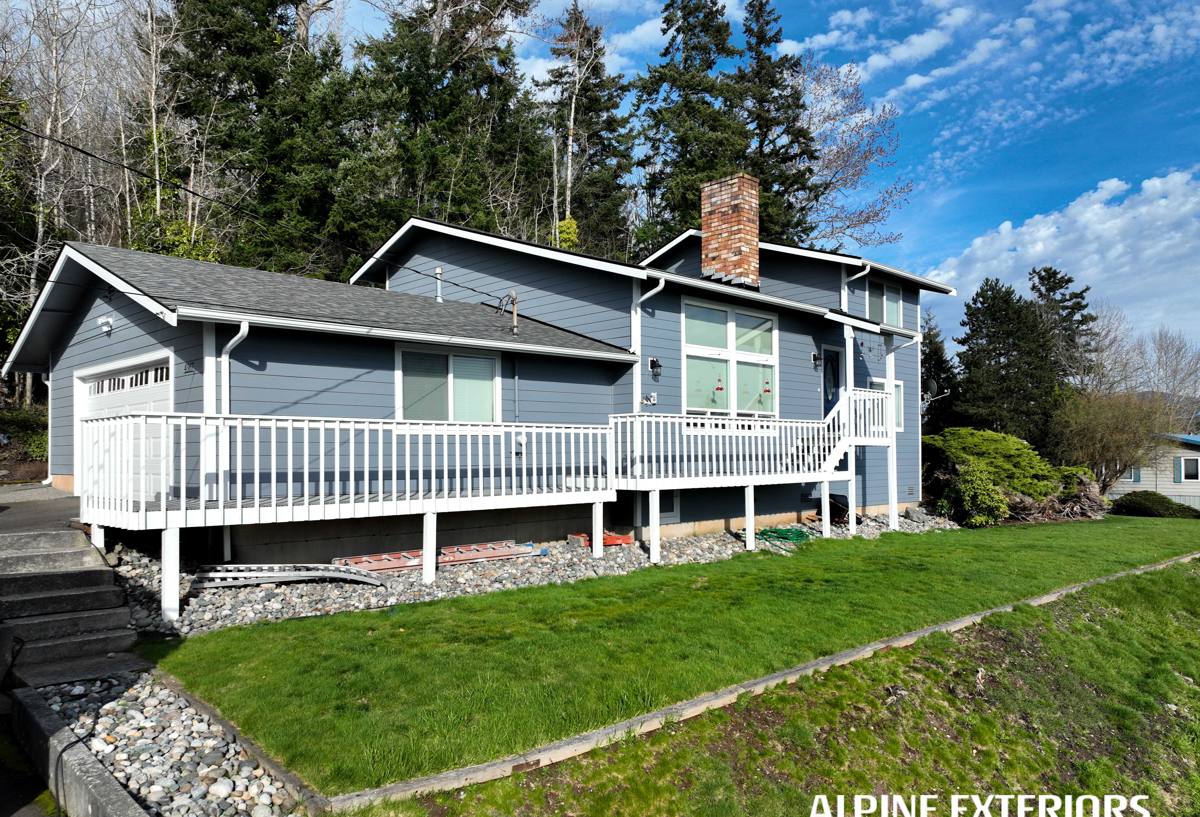
Signs a Sunset Point Roof Needs Replacement, Not Another Repair
Repairs make sense when a problem is isolated — a single damaged section after a storm, a flashing leak around one penetration. Replacement becomes the honest recommendation when the roof's overall condition means repairs are just delaying an inevitable, larger failure. Common signs we look for on Sunset Point homes:
- Granule loss heavy enough that you can see bare, shiny patches of asphalt on multiple shingle courses, not just one or two spots
- Shingles that are curling, cupping, or cracking across large sections of the roof rather than in one localized area
- Soft spots or sagging in the decking when walked, which usually means moisture has already gotten past the roofing surface
- Repeated leaks in different locations after previous repairs, suggesting the underlayment has broken down generally rather than failed in one spot
- Visible rust or corrosion on flashing, vents, or exposed fasteners — a common early symptom this close to the water
- A roof already at or past the age where its underlayment and fasteners have outlived their realistic service life, even if shingles still look decent from the ground
A straightforward inspection can usually tell you which category your roof falls into. If a contractor pushes replacement without walking the roof and explaining what they found, that's worth questioning.
What a Correct Roof Replacement Actually Involves
A roof replacement is more than swapping old shingles for new ones. Done correctly, it addresses every layer of the system, because a roof is only as good as its weakest component. For a Sunset Point home, that means:
Full Tear-Off
We remove the existing roofing material down to the decking rather than layering new shingles over old. Layering hides problems, traps moisture, and voids most manufacturer warranties outright. A full tear-off is also the only way to actually inspect the decking underneath.
Decking Inspection and Repair
Once the old material is off, we check the plywood or OSB decking for soft spots, delamination, or water staining — all common where a roof has been leaking slowly for a while without an obvious interior sign. Damaged sections get replaced before anything new goes down; skipping this step is one of the most common shortcuts in the industry, and it's the one that causes the earliest failures.
Underlayment
This is the roof's real waterproofing layer, and it matters more in a coastal climate than almost anywhere else. Wind-driven rain during Florida storms doesn't just fall straight down — it gets pushed under shingle edges and into laps, so the underlayment (not the shingle itself) is often what actually keeps a house dry. We use underlayment systems rated for high-wind, coastal exposure rather than a generic minimum-code product.
Flashing and Penetrations
Every place the roof meets a wall, chimney, skylight, or vent pipe is a potential leak point. New flashing at these transitions, properly integrated with the underlayment (not just caulked over old metal), is non-negotiable on a real replacement.
Ventilation
Proper intake and exhaust ventilation keeps attic temperatures and moisture in check, which extends shingle life and helps with energy costs in Florida's heat. A replacement is the right time to correct ventilation that was undersized or poorly balanced in the original build.
Material Options for Sunset Point Homes
Most homes in this neighborhood are candidates for either architectural asphalt shingles or metal roofing, with tile as an option on some homes depending on structure and style. Each has real trade-offs worth understanding rather than picking on looks alone.
| Material | Wind/Storm Performance | Salt Air Durability | Maintenance | Typical Lifespan |
|---|---|---|---|---|
| Architectural asphalt shingle | Good, with proper nailing pattern and high-wind rated product | Moderate — granule and fastener wear over time | Low to moderate | 15–25 years in this climate |
| Standing seam metal | Excellent when properly fastened | Very good with coastal-rated coatings and fasteners | Low | 30–50 years |
| Concrete or clay tile | Very good when correctly installed and fastened | Good, though underlayment failure is the real limiting factor | Moderate — underlayment beneath tile eventually needs attention | 30+ years (tile itself), underlayment sooner |
We'll walk through which option fits your roof's structure, your budget, and how long you plan to stay in the home. There's no single right answer — a well-installed asphalt shingle roof with proper underlayment and flashing will outperform a poorly installed metal roof, and vice versa. Installation quality matters more than the brand name on the material.
Hurricane and Wind Requirements Aren't Optional Here
Pinellas County enforces Florida Building Code wind-load and roofing requirements that are stricter than what you'll find in most of the country, and for good reason. On a replacement, that typically means specific nailing patterns (often six nails per shingle rather than four), enhanced underlayment or sealed-deck requirements, and permitted inspections at key stages. These aren't paperwork formalities — they're the difference between a roof that stays intact in sustained hurricane-force winds and one that doesn't.
A licensed local roofing crew pulls the required permit, schedules the inspections the county requires, and builds to the current code rather than whatever was acceptable when the house was originally built. If a contractor offers to skip the permit "to save time," that should be a red flag, not a selling point — it usually means the work won't hold up to scrutiny, and it can create real problems at resale or with insurance claims later.
How Our Replacement Process Works
- On-site inspection and assessment. We walk the roof, check the attic where accessible, and give you a straight answer on whether you need replacement or repair — with photos and specifics, not just a verdict.
- Written estimate. You get a clear scope of work and pricing before any commitment, including material options and what each includes.
- Permitting. We handle the Pinellas County permit and code requirements so you don't have to navigate that yourself.
- Material delivery and site prep. Landscaping and property get protected before tear-off begins.
- Full tear-off and decking inspection. Old roofing comes off completely; any compromised decking is identified and replaced.
- Underlayment, flashing, and new roofing installation. Installed to current code and manufacturer specifications for high-wind, coastal exposure.
- Final inspection and cleanup. County inspection where required, plus a full site cleanup including a magnetic sweep for stray nails.
- Warranty documentation. You get paperwork on both material and workmanship coverage before we consider the job finished.
Why Local Sunset Point Experience Matters
A crew that already works in this part of Clearwater knows the practical realities that don't show up in a manufacturer's install guide: which roof lines in the neighborhood tend to have undersized original ventilation, how salt exposure this close to the coast affects fastener choice, and what the county inspectors actually check for at each stage. That familiarity shows up in fewer surprises during the job and a roof that's built for the conditions it will actually face, not a generic textbook installation.
It also matters after the job is done. A contractor who's established locally is one you can reach if a question comes up during the next storm season, not a crew that worked the area once and moved on.
What to Ask Before You Sign a Roofing Contract
- Are you licensed and insured in Florida, and can you provide proof?
- Will you pull the permit yourself, and is that included in the price?
- What underlayment and nailing pattern will you use, and is it rated for high-wind, coastal exposure?
- Is this a full tear-off, or is any layering involved?
- What happens if the decking inspection finds damage — how is that priced?
- What's covered under workmanship warranty, separate from the manufacturer's material warranty?
- Do you have a physical local address and references from work in this area?
A contractor who answers these clearly and in writing is one worth trusting with a job this size. One who's vague on permits or underlayment specifics usually is planning to cut corners somewhere you won't see until it fails.
Cost Factors Worth Understanding
Roof replacement pricing depends on roof size and pitch, material choice, decking condition once it's exposed, and the complexity of the roofline (dormers, valleys, and penetrations all add labor). Rather than quote a number that doesn't mean much without seeing your roof, we'll give you a detailed, itemized estimate after inspection so you know exactly what you're paying for and why — including any decking repair as a clearly stated allowance rather than a surprise change order.
If your roof is in Sunset Point and you're weighing repair versus replacement, we're glad to take a look and give you a straight answer either way. Reach out for a free, no-pressure estimate using the form below.