 Clearwater Siding
 Building Decks in Seminole for Pinellas County's Climate
Seminole sits close enough to the Gulf that salt-laden air, near-constant humidity, and intense UV exposure are part of daily life for any outdoor structure. A deck built here does more work than a deck built inland. It has to shrug off sun that fades and dries out wood fiber for most of the year, shed wind-driven rain that finds its way into every seam and joint, and survive tropical storm and hurricane-force wind loads without the fasteners, connectors, or footings failing first. We build decks for Seminole homeowners with that reality in mind from the first conversation, not as an afterthought once the framing is already up.
A lot of deck problems we get called out to repair in this area didn't start as bad workmanship on day one — they started as a deck built to a generic spec instead of a Gulf Coast spec. Undersized fasteners, wood that wasn't rated for ground or near-ground contact, railing posts anchored without real hardware, drainage that was never thought through. None of that shows up on the walkthrough when the deck is new. It shows up two or three humid, stormy seasons later.
What Seminole Homes Typically Need From a Deck
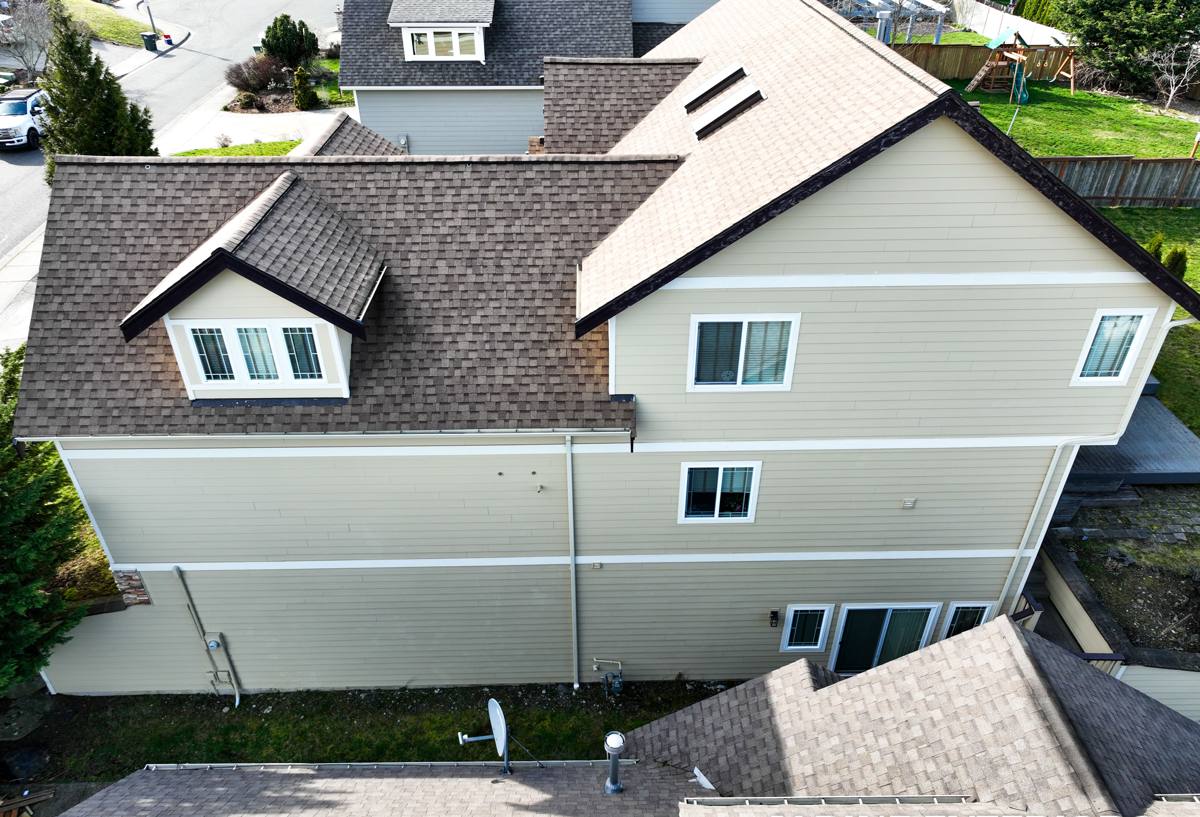
Most decks in this part of Pinellas County are attached to single-story or split-level homes, often opening onto a pool area, a canal or waterway view, or a backyard with limited shade. That combination of full sun exposure and proximity to moisture — whether from irrigation, standing rain, or brackish air near the water — puts real stress on decking material, fasteners, and the structural frame underneath.
Sun and Heat
Florida sun is intense nearly year-round. Wood decking that isn't properly finished and maintained will gray, crack, and splinter faster here than in most of the country. Some composite decking, especially darker colors, can also run noticeably hotter underfoot in direct sun — worth discussing before you commit to a color.
Wind-Driven Rain and Humidity
Rain in Pinellas County rarely falls straight down. Storms push it sideways, which means water finds its way under railings, into fastener holes, and along ledger boards if those areas weren't properly flashed and sealed. Combined with year-round humidity, any wood that stays damp too long is a setup for rot, especially at ground contact points and where the deck meets the house.
Salt Air and Corrosion
You don't have to be waterfront for salt air to matter — it travels well inland along the Gulf Coast. Standard zinc-coated fasteners and connectors corrode faster here than the box label assumes. Corroded fasteners are one of the most common root causes we find in deck failures and railing wobble on older builds in this area.
Storm and Wind Load
Pinellas County sits in a high-wind design zone. A deck's structural connections — how the ledger attaches to the house, how posts anchor to footings, how joists tie to beams — all need to be sized and fastened for real hurricane-season wind uplift and lateral load, not just vertical weight from foot traffic and furniture.
What a Correctly Built Deck Involves
A deck is a structure first and a surface second. The decking boards are what you see and touch, but the framing underneath determines whether the deck is safe and lasts. A correct build in Seminole's climate includes:
- Footings sized and set to local frost-free depth and soil conditions, not a generic minimum
- A ledger board properly flashed and through-bolted to the house structure, never just nailed or lag-screwed into siding
- Joist hangers, post bases, and hurricane ties rated for coastal/high-wind exposure, not standard interior-grade hardware
- Stainless steel or coated fasteners appropriate for treated lumber and salt-air exposure
- Proper spacing and fastening pattern for whatever decking material is chosen, since wood, composite, and PVC each have different expansion and fastening requirements
- Railing systems anchored into structural framing, not just surface-mounted to decking boards
- Drainage planning underneath the deck so water doesn't pool against footings or ledger connections
Skipping any one of these doesn't usually cause an immediate, visible problem. It shows up later as a soft spot, a wobbly rail, or a structural issue that costs far more to fix than it would have cost to do right the first time.
Choosing the Right Decking Material
There's no single "best" decking material for every Seminole home — it depends on budget, how much upkeep you want to do, and how the deck will be used. Here's an honest comparison of the main options we work with.
| Material | Upfront Cost | Maintenance | Climate Notes |
|---|---|---|---|
| Pressure-treated wood | Lowest | Annual cleaning/sealing recommended | Needs consistent sealing to handle UV and humidity; most affordable option |
| Composite decking | Mid to higher | Occasional washing, no sealing | Resists rot and splintering well; darker colors absorb more heat in full sun |
| Capped composite / PVC | Highest | Minimal — washing only | Best moisture and fade resistance; strongest long-term option for salt-air exposure |
We'll walk you through the real trade-offs for your budget and how you use the space — we're not going to push the most expensive option if a well-built wood deck with a good maintenance plan fits your needs better.
Our Deck Building Process
1. On-Site Assessment
We walk the property, look at how the deck will attach to the house, check grade and drainage, and talk through how you actually plan to use the space — dining, lounging, pool access, grilling — since that shapes layout and material choices.
2. Design and Material Selection
We put together a layout and material plan suited to your home and budget, with straight answers about what each option costs upfront versus what it costs to maintain over the years you'll own the deck.
3. Permitting
Deck construction in Pinellas County typically requires a permit and inspection, since it's a structural addition to your home. We handle the permitting process and build to the load and wind requirements that apply to this area.
4. Framing and Structural Work
This is the part that never shows once the decking goes down — and the part that matters most. Footings, ledger attachment, joists, beams, and hardware all get built to hold up under Florida sun, rain, and wind for the long haul.
5. Decking, Railing, and Finish Work
Once the frame passes inspection, we install the decking, railing, and any stairs or trim work, with attention to fastening patterns and gaps that account for material expansion in our heat.
6. Final Walkthrough
We walk the finished deck with you, cover any care or maintenance the material needs, and make sure everything meets what we discussed at the start.
What Affects the Cost of a Deck Build
| Factor | Why It Matters |
|---|---|
| Size and footprint | More square footage means more footings, framing, and decking material |
| Material choice | Wood, composite, and PVC decking span a wide price range per square foot |
| Height and grade | A deck built well off the ground needs more substantial framing, stairs, and railing than a low deck |
| Railing style | Cable, glass, and metal railing systems cost more than standard baluster railing |
| Site access | Tight side yards or limited equipment access can add labor time |
| Permitting and inspection | Required for most deck builds and factored into project timeline and cost |
Maintaining a Deck in a Coastal Florida Climate
Even a well-built deck needs some ongoing care to hold up against sun, humidity, and salt air. A simple seasonal routine goes a long way:
- Rinse the deck surface periodically to remove salt residue, pollen, and organic buildup
- Check railing posts and stair connections for looseness at least once a year
- Inspect fasteners and hardware for rust or corrosion, especially after storm season
- Reseal wood decking on a regular schedule — sun and rain break down finishes faster here than in drier climates
- Keep gutters and downspouts near the deck clear so water isn't dumping directly onto or under it
- Trim back landscaping that holds moisture against the deck structure
Why Hire a Crew That Already Works in Seminole
Building codes, wind requirements, and the practical realities of Gulf Coast weather aren't the same everywhere in the country — and they're not even identical from county to county in Florida. A crew that regularly builds decks in Seminole and the surrounding Clearwater area already knows the permitting process, the wind and load expectations, and which materials and hardware actually hold up here versus which ones look fine on paper but underperform in this climate. That local experience shows up in the details: flashing done right the first time, hardware rated for salt air, and a structure built for the storms this area actually sees, not a generic national spec.
If you're planning a new deck or replacing one that's showing its age, we're happy to take a look and give you a straight, no-pressure estimate. Use the form below to get started.