 Clearwater Siding
 Downtown Clearwater's Climate Is Hard on Siding
Homes in Downtown Clearwater sit close enough to the water that salt-laden air is a daily fact of life, not an occasional event. Add in Florida's intense, near-constant UV exposure and the wind-driven rain that comes with Pinellas County's hurricane season, and you have three separate stresses working on a home's exterior at the same time, year-round. Siding here isn't just cosmetic — it's the layer standing between that environment and the wood framing, sheathing, and insulation behind it.
A lot of siding failures we see in this area aren't really about the material itself. They're about a product or installation that wasn't matched to what Clearwater actually throws at a house. Understanding those three stresses is the starting point for understanding what a correct installation looks like.
Salt Air and Humidity
Airborne salt accelerates corrosion of fasteners and trim hardware, and it works its way into any seam or crack that isn't properly sealed. Combined with Florida's humidity, it also creates ideal conditions for mold and mildew growth on siding surfaces and behind them if moisture gets trapped. Materials that absorb water or swell when wet are at a real disadvantage in this setting.
Year-Round UV
Clearwater doesn't get much of a winter break from the sun. Siding paint and factory finishes here take a beating that homes in northern climates simply don't experience. Finishes that aren't engineered for constant UV exposure tend to fade, chalk, or crack years ahead of their rated life, which means more repainting and more maintenance cost over the life of the siding.
Wind-Driven Rain and Storm Exposure
Hurricane season brings sustained high winds and rain that doesn't just fall — it gets driven sideways into walls, seams, and penetrations. Siding that isn't installed with the right flashing, gapping, and fastening detail can let water behind the cladding during a single storm event, and once moisture gets behind siding in a humid climate like this one, it doesn't dry out on its own.
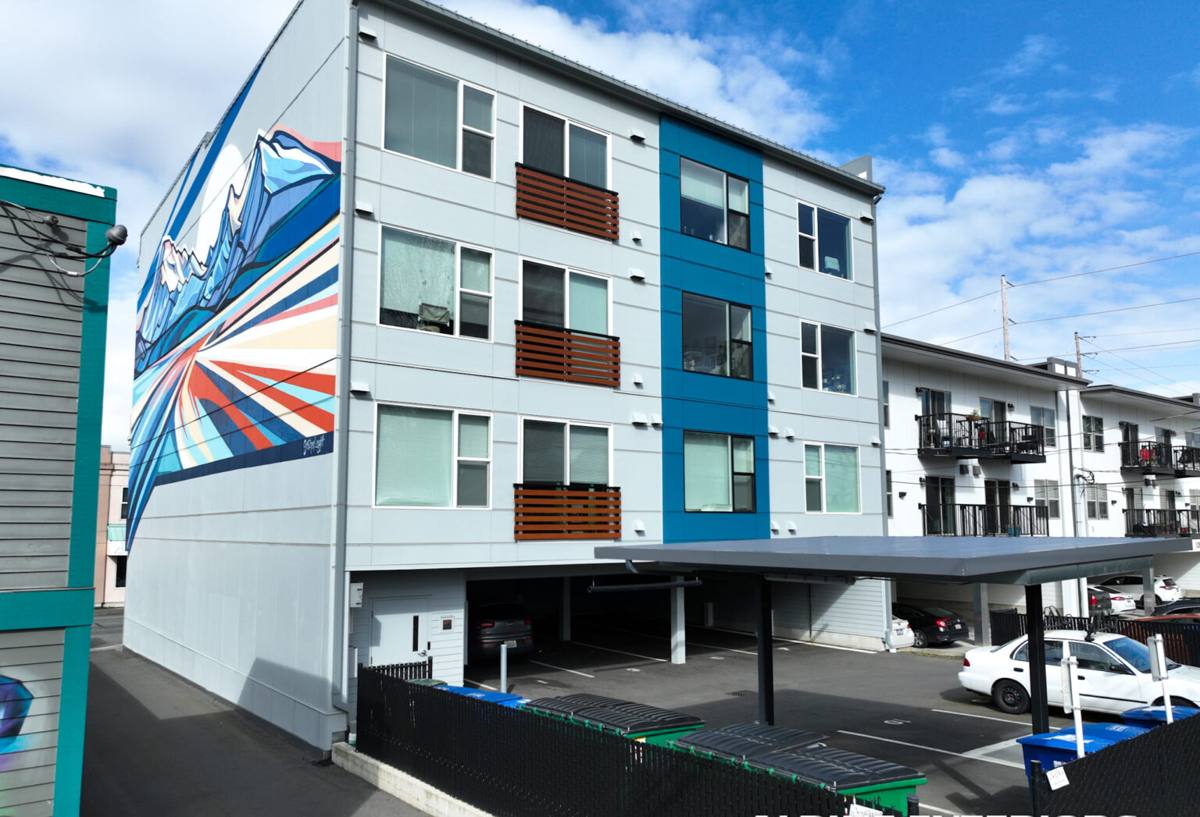
What a Correct Siding Installation Involves Here
"Correct" installation in Downtown Clearwater means more than nailing boards to a wall in the right pattern. It means every detail is built around keeping water out and holding up to wind loads, because the consequences of skipping a step show up faster here than almost anywhere else in the country.
Weather-Resistive Barrier and Flashing
Before the first piece of siding goes up, the wall needs a properly lapped weather-resistive barrier, and every window, door, and penetration needs correctly integrated flashing. This is the step that determines whether wind-driven rain during a tropical storm ends up on the ground outside or inside your wall cavity.
Fastening and Gapping to Manufacturer Spec
Fiber cement siding has to be fastened at the pattern, depth, and spacing the manufacturer specifies — not "close enough." Butt joints and panel edges need the gaps and sealants called for in the installation manual so the material can move slightly with temperature and humidity swings without cracking or buckling.
Starter Strips, Corners, and Trim Details
The bottom starter course, corner treatments, and trim around openings are where a lot of amateur installations go wrong. These details control how water sheds off the wall, and they're also the first place a house tells you the installer cut corners — sagging trim, visible gaps, or uneven reveals are usually a sign the fundamentals weren't done right underneath.
Why We Install Only James Hardie Fiber Cement
We made a decision as a company to install James Hardie fiber cement siding exclusively — not vinyl, not LP SmartSide, not primed wood, and not other fiber cement brands. That's not a marketing preference; it's a standard we hold because of what Downtown Clearwater's climate does to alternatives over time.
Non-Combustible Material
Fiber cement is non-combustible, which matters for insurance considerations and fire exposure from neighboring structures, something wood and vinyl products can't offer in the same way.
ColorPlus Factory Finish
James Hardie's ColorPlus finish is baked on and cured in a controlled factory environment, then backed by a finish warranty against fading and peeling that field-applied paint jobs can't match. In a market with year-round UV like Clearwater's, a factory finish engineered for sun exposure is worth more than it would be somewhere with milder sun.
HZ Product Lines Engineered for Climate Zones
Hardie engineers its HZ5 and HZ10 product formulations differently depending on climate zone, adjusting the product's resistance to moisture and humidity based on where it will be installed. Homes in Pinellas County fall into the higher-humidity, higher-moisture engineering zone, and using the correctly matched HZ product is part of installing to spec, not an upsell.
A Warranty Built Around the System, Not Just the Board
James Hardie's transferable warranty covers the product when it's installed according to their specifications, which is a meaningful reason we train to that spec rather than treating installation as interchangeable between brands.
Downtown Clearwater Housing and Siding Considerations
Downtown Clearwater has a mix of older single-family homes, updated bungalow-style houses, and infill construction, often on smaller lots close to neighboring structures. That mix creates a few recurring considerations for siding work in this specific area.
Older Homes Replacing Original Wood Siding
Many homes in this part of Clearwater still carry original wood lap siding that has been repainted many times over the decades. When that siding is failing, it's usually failing at the substrate level — moisture damage behind the boards — which means a siding replacement is also a chance to correct decades-old moisture and flashing problems, not just refresh the surface.
Tight Lots and Close Setbacks
Smaller downtown lots mean less staging room and closer proximity to neighboring homes and fences during a project. That affects how material gets staged, how debris is contained, and how much coordination is needed to keep a project moving without disrupting the block.
Mixed Architectural Styles
Craftsman-influenced bungalows, Florida vernacular cottages, and newer builds all sit near each other in this area. James Hardie's plank, shingle, and panel profiles give us the flexibility to match a home's existing character rather than forcing every house into the same look.
Our Installation Process
Every project follows the same disciplined sequence, whether it's a full re-side or a partial repair. Consistency in process is what keeps quality from depending on which crew shows up.
- On-site assessment — we inspect existing siding, sheathing condition, and any moisture or damage issues before quoting anything.
- Tear-off and substrate inspection — old siding comes off and we check the sheathing and framing underneath for rot or water damage before covering it back up.
- Repairs to substrate — any damaged sheathing or framing gets repaired or replaced; this step never gets skipped, because covering a problem doesn't fix it.
- Weather-resistive barrier and flashing installation — installed and lapped correctly around every window, door, and penetration.
- James Hardie siding installation — installed to manufacturer fastening, gapping, and clearance specifications.
- Trim, caulking, and finish details — corners, starter strips, and joints finished to shed water correctly.
- Final walkthrough — we review the completed work with the homeowner before calling the job done.
Cost Factors for Siding Installation in Downtown Clearwater
Every home is different, so we don't quote off square footage alone. These are the factors that actually move the number on a Downtown Clearwater project.
| Factor | Why It Matters Here |
|---|---|
| Substrate condition | Older homes with wood siding often need sheathing repair before new siding goes on, which affects labor and material cost. |
| Home size and complexity | More corners, dormers, and trim detail mean more labor hours and material cuts. |
| Siding profile chosen | Lap, shingle, and panel James Hardie profiles carry different material costs and installation time. |
| Access and lot size | Tighter downtown lots can affect staging, equipment access, and how efficiently a crew can work. |
| Trim and accessory scope | Fascia, soffit, and trim work bundled into the same project changes total scope and cost. |
Maintaining Siding After Installation
James Hardie fiber cement is low-maintenance compared to wood or vinyl, but "low-maintenance" doesn't mean "no maintenance" in a salt-air, high-UV environment. A little attention keeps the siding performing for its full service life.
- Rinse siding periodically with a garden hose to clear salt residue and airborne grime, especially on sides of the house facing prevailing wind.
- Inspect caulking around windows, doors, and trim annually and re-caulk any cracked or separated joints before storm season.
- Trim back vegetation and irrigation spray so water and organic debris aren't sitting against the siding.
- Look at siding after any major storm for cracked boards, loose trim, or displaced flashing.
- Avoid pressure-washing at high pressure directly into joints and seams, which can force water behind the siding.
Why a Crew That Already Works in Downtown Clearwater Matters
Siding installation here isn't generic exterior work. A crew that regularly works this specific area already understands the permitting expectations that apply locally, has a working sense of the housing stock's quirks — older substrates, mixed architectural styles, tighter lots — and has already seen how Pinellas County's coastal exposure behaves against different products and details over multiple seasons. That experience shows up in fewer surprises during tear-off, fewer callbacks, and a finished product that's actually built for what Clearwater's climate will do to it, not just what looks right on installation day.
If you're weighing a siding project in Downtown Clearwater, we're glad to walk your home, look at what's there now, and give you a straight, no-pressure estimate for James Hardie siding installation done to spec for this climate. Fill out the form below to get started.