 Clearwater Siding
 Siding Installation Built for Seminole, Not Just "Florida"
Seminole sits in Pinellas County, close enough to the Gulf and the Intracoastal that homes here deal with the same salt-laden air, wind-driven rain, and relentless sun as anywhere else on this stretch of coast. A siding job that would hold up fine in a drier, cooler climate can fail early here if it isn't installed with this specific environment in mind. We work in Seminole regularly, and the way we approach an installation reflects what actually happens to siding in Pinellas County over ten, twenty, and thirty years, not what happens in a showroom.
This page is about one thing: installing siding correctly on a Seminole home. Not a general overview of siding options, not a sales pitch, just what a correct installation involves, what the local climate demands, and why the crew doing the work matters as much as the material going on the wall.
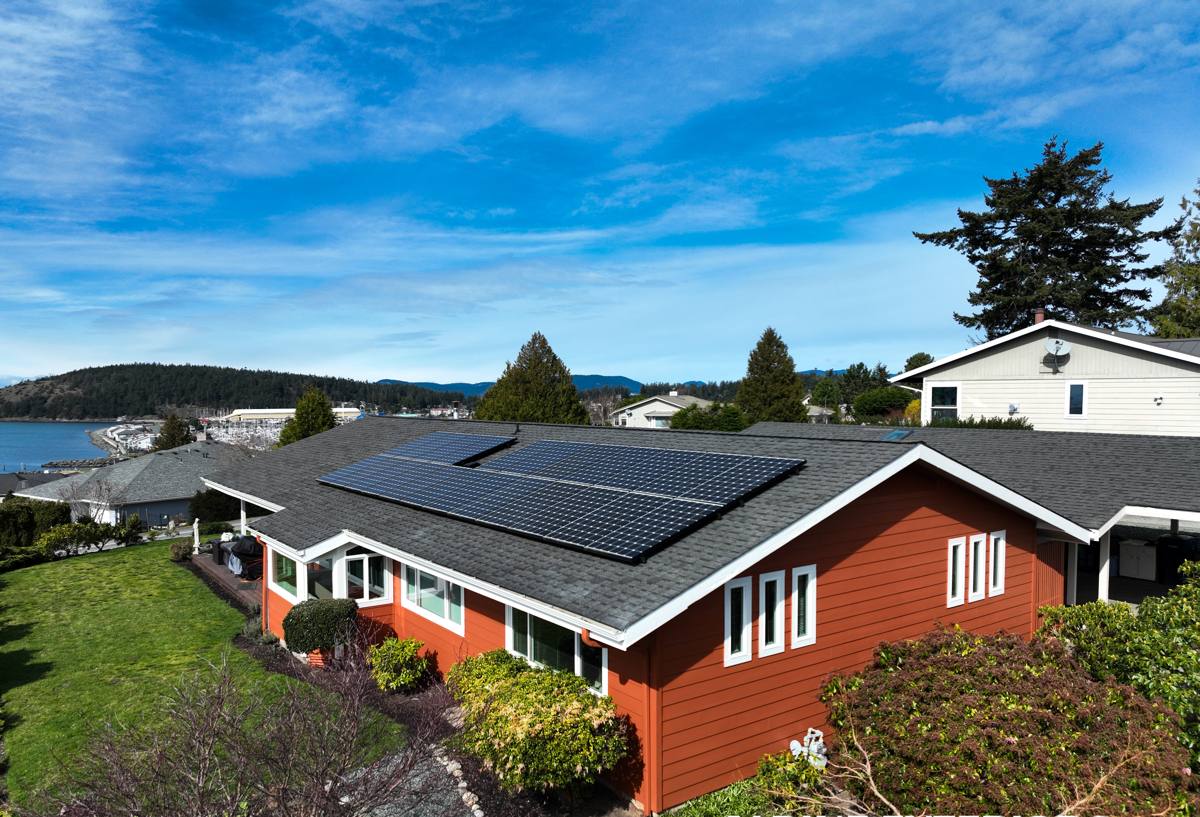
What Pinellas County's Climate Actually Does to Siding
Before talking about installation, it helps to understand what the siding is up against. This part of Florida delivers a combination of stresses that few other regions match all at once.
Wind
Seminole is well within reach of tropical storm and hurricane-force wind events. Siding doesn't just need to look good in a storm, it needs to stay attached. Fastener spacing, panel overlap, and how the material handles repeated flexing all determine whether siding survives a wind event or ends up in the yard.
UV Exposure
Florida sun is intense and constant, nearly year-round. Paint film on siding breaks down under UV faster here than in most of the country, which is why factory-applied, baked-on finishes hold their color longer than field-applied paint on lesser materials.
Wind-Driven Rain
Storms here don't just drop rain straight down, they push it sideways into walls. Any gap in flashing, house wrap, or panel overlap becomes an entry point for moisture, and moisture behind siding is what causes rot, mold, and structural damage that isn't visible until it's serious.
Salt Air
Being close to the Gulf means airborne salt is a constant, low-level presence. It accelerates corrosion on fasteners, trim, and any component that isn't rated for a coastal environment.
None of these factors are unique to Seminole, but the combination of all four, applied continuously, is what separates a coastal Pinellas County installation from a generic one.
Why the Product Matters as Much as the Install
We install James Hardie fiber cement siding exclusively. We don't install vinyl, LP SmartSide, primed wood, or other fiber cement brands. That's a deliberate standard, not a limitation of what we're capable of installing.
Vinyl softens and warps under sustained heat and can crack in cold snaps; it also isn't fire-resistant. LP SmartSide and other engineered wood products use wood strand cores that are vulnerable to prolonged moisture exposure, which is a real risk in a climate with this much wind-driven rain and humidity. Fiber cement from other manufacturers may perform reasonably well, but James Hardie's track record, factory finish quality, and climate-specific product engineering are what we've found to be the most consistent fit for what this coast throws at a house.
James Hardie's fiber cement is non-combustible, doesn't rot, resists pests, and holds its shape in humidity swings that would warp wood-based products. The ColorPlus factory finish is baked on under controlled conditions, which means better UV resistance and color retention than a site-applied paint job. Hardie also engineers separate product lines for different climates, and their HZ10 line is built specifically for warm, humid regions like ours, with formulation adjustments aimed at the moisture and fungal-growth conditions Gulf Coast homes actually face. That's the product going on Seminole homes when we do this work.
What a Correct Siding Installation Actually Involves
Siding installation looks simple from the outside: panels go up, seams get covered, done. In practice, most of what determines whether siding lasts 10 years or 40 happens in steps that aren't visible once the job is finished.
Tear-Off and Substrate Inspection
Before new siding goes up, the old material comes off and the sheathing underneath gets inspected. This is the point where hidden moisture damage, soft wood, or prior water intrusion gets found and addressed, not covered up. Skipping this step is the single most common shortcut that leads to problems years later.
Weather-Resistant Barrier
A continuous, properly lapped weather barrier goes over the sheathing before any siding is installed. This is the actual moisture defense layer, the siding itself is the second line of defense, not the only one.
Flashing at Every Penetration
Windows, doors, vents, and any other wall penetration need flashing detailed to shed water outward and downward, never trapping it against the wall. In a climate with regular wind-driven rain, flashing mistakes are where leaks start.
Fastening to Spec
James Hardie publishes specific fastener types, spacing, and placement requirements, and those requirements get stricter in high-wind zones like coastal Pinellas County. Correct fastening is what keeps panels attached in a windstorm; it's also the step most likely to get rushed on a low-bid job.
Proper Clearances and Gaps
Siding needs clearance from the ground, roofline, and other transitions, along with expansion gaps at joints. Fiber cement expands and contracts with temperature and humidity, and gaps that are too tight cause buckling or cracking over time.
Caulking and Sealant Where Hardie Specifies It
James Hardie's installation instructions call for sealant at specific joints, not everywhere. Over-caulking can trap moisture just as easily as under-caulking can let it in, so this is a detail-level judgment, not a blanket rule.
Our Process for a Seminole Installation
- On-site assessment: We look at the existing siding, trim, and any visible signs of moisture or wind damage before quoting anything.
- Tear-off and inspection: Old siding comes off, sheathing gets checked, and any rot or damage gets addressed before new material goes on.
- Weather barrier and flashing: A continuous barrier and properly detailed flashing go in around every window, door, and penetration.
- James Hardie installation to spec: Panels are fastened, spaced, and gapped according to James Hardie's published requirements for our wind zone.
- Trim and detail work: Corners, transitions, and joints get finished so water sheds away from the wall at every point.
- Final walkthrough: We go over the finished job with the homeowner before calling it done.
What Drives Cost on a Seminole Siding Installation
Every home is different, but the same handful of factors move the price up or down on most Seminole jobs. This isn't a quote, it's a way to understand where your estimate will come from.
| Factor | Why It Matters |
|---|---|
| Home size and stories | More square footage and multi-story walls mean more material, more labor, and more staging/access equipment. |
| Condition of existing sheathing | Rot or moisture damage found during tear-off adds repair work before new siding can go on correctly. |
| Existing siding type | Removing brittle old vinyl is different work than stripping wood or a prior fiber cement installation. |
| Trim and architectural detail | Homes with more corners, windows, gables, and trim transitions take more time to detail and flash properly. |
| Product line and profile | Lap siding, shingle-style panels, and different reveals carry different material and labor costs. |
| Access and site conditions | Tight lot lines, landscaping, or limited staging space can add time regardless of home size. |
Questions to Ask Before Hiring a Siding Contractor in Seminole
Pinellas County has plenty of contractors willing to install siding. Not all of them install it to a standard that holds up to this climate. Before hiring anyone for a siding project here, it's worth asking:
- Are you licensed and insured to do this work in Pinellas County?
- Will you inspect the sheathing during tear-off, and what happens if you find damage?
- What fastening schedule do you follow, and does it account for our wind zone?
- Do you pull the required permits, or is that left to me?
- What does your warranty actually cover, materials, labor, or both?
- Can you explain why you install the specific siding brand you use?
A contractor who answers these clearly and specifically is a good sign. Vague answers, especially about fastening, flashing, or permits, are worth pausing on.
Why a Crew That Already Works in Seminole Matters
Siding installation isn't one-size-fits-all across Florida, let alone across the country. A crew that regularly works in Seminole and the surrounding Clearwater and Pinellas County area already understands the local wind zone requirements, the permitting process with the county and city, and the specific way this coast's combination of sun, salt, and storms wears on a house. That familiarity shows up in small decisions throughout the job, fastener choice, flashing details, where to add clearance, that a crew unfamiliar with the region might not think twice about.
It also means accountability doesn't end when the truck leaves. A local crew is reachable if a question comes up after the job, not a name on an invoice from a company that worked the area once and moved on.
After Installation: Keeping Siding Performing Long-Term
James Hardie siding installed correctly is low-maintenance, but low-maintenance isn't no-maintenance. A periodic rinse to clear salt residue and grime, prompt attention to any caulking that starts to fail at trim joints, and a visual check after major storms for loose panels or trim are the main things that keep a correctly installed system performing for decades. None of this is labor-intensive, but ignoring it entirely shortens the life of even the best installation.
If you're weighing a siding project on a Seminole home and want a straight answer about what it actually needs, we're glad to take a look and walk through it with you. The estimate is free, there's no pressure attached to it, and you can use the form below to get started.