 Clearwater Siding
 Siding Repair Built for Coachman Ridge, Not Just "Florida" in General
Coachman Ridge homes sit inland enough from the Gulf to feel a little sheltered, but make no mistake — this is still Pinellas County, and every siding problem that shows up on a beachfront house eventually shows up here too, just on a slower timeline. Intense year-round UV, sudden wind-driven downpours, hurricane-force gusts during the season, and a steady drift of salt air off Tampa Bay and the Gulf all work on exterior siding whether a house is a block from the water or a few miles back. When we talk about "siding repair" in Coachman Ridge specifically, we mean repair work scoped to what this neighborhood's homes actually experience — not a generic checklist copied from a national franchise manual.
This page covers what siding repair actually involves here, what a correct repair looks like versus a rushed patch job, and why working with a crew that already knows this part of Clearwater changes the outcome.
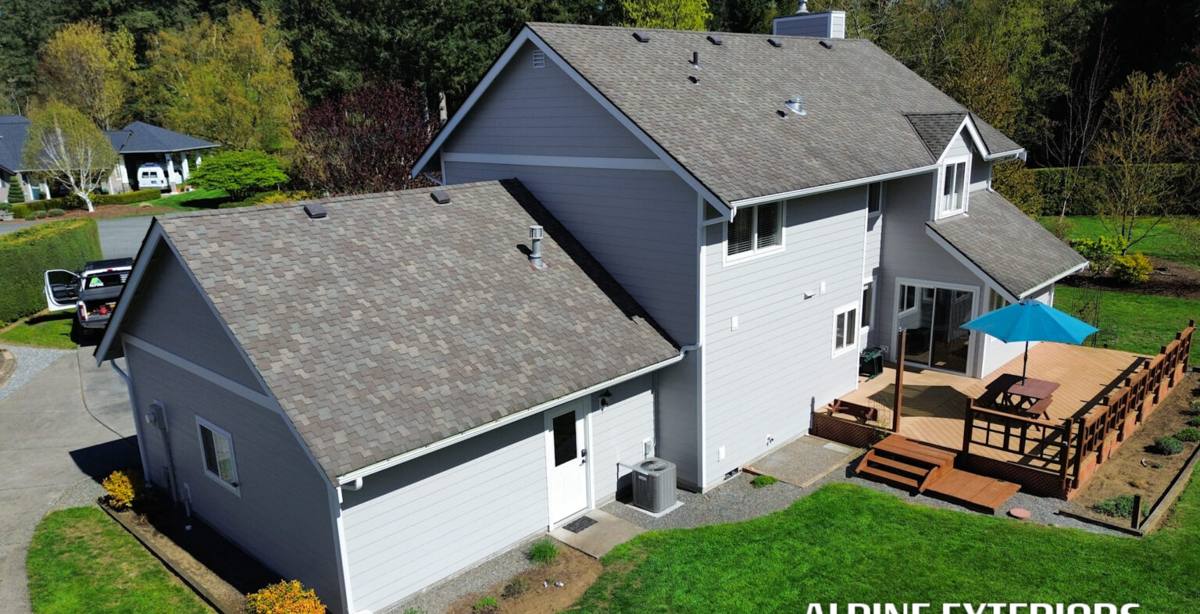
What Clearwater's Climate Actually Does to Siding
Before getting into the repair itself, it helps to understand what's causing the damage in the first place. Homeowners in Coachman Ridge are dealing with several climate stresses stacked on top of each other, and they compound over time.
UV and Heat
Florida sun is relentless. Siding facing south and west absorbs direct UV for most of the day, most of the year. Cheaper siding materials and low-grade paint jobs chalk, fade, and become brittle under that kind of exposure. Even good materials need a finish system engineered to hold color and flexibility under sustained heat — this is a big part of why factory-applied finishes outperform field-painted ones over the long run.
Wind-Driven Rain
Clearwater doesn't just get rain — it gets rain pushed sideways by wind, which forces water into gaps, seams, and fastener points that would never see moisture in a calmer climate. Siding that isn't installed with the right flashing, clearances, and sealant details will eventually let water behind it, and once water gets behind siding, the damage often shows up in the substrate and sheathing long before it's visible on the surface.
Hurricane-Force Wind Loads
Pinellas County sits squarely in a wind-borne debris region. Siding here has to hold up not just to steady breeze but to gusts that can rip loose panels, pop fasteners, or drive debris into a wall. Repairs that don't restore proper fastening and butt-joint integrity leave a house vulnerable the next time a storm rolls through.
Salt Air
Even set back from the immediate coastline, Coachman Ridge gets salt-laden air carried inland. Salt accelerates corrosion on exposed fasteners and metal trim and can degrade certain caulks and sealants faster than in a dry inland climate. Repair work that ignores this — using standard-grade fasteners or generic caulk — tends to fail again within a couple of seasons.
Signs a Coachman Ridge Home Needs Siding Repair
Some damage is obvious. A lot of it isn't, especially from ground level. Here's what we look for, and what homeowners can check themselves before calling anyone out.
- Visible cracking, splitting, or buckling in siding panels, especially near corners and butt joints
- Soft or spongy spots when pressed gently — a sign moisture has reached the substrate underneath
- Paint or finish that's chalking, peeling, or has faded unevenly compared to the rest of the wall
- Gaps opening up at seams, trim boards, or around windows and doors
- Staining or dark streaking below seams, which usually points to water tracking behind the panel
- Panels that flex, rattle, or feel loose when pushed by hand — a fastening failure
- Visible rust bleeding from fastener heads or trim
- Any section that was patched before and is failing again
Any one of these on its own might be minor. Several showing up together, especially on the same wall exposure, usually means water has been getting behind the siding for a while and the repair needs to address more than just the surface.
What a Correct Siding Repair Actually Involves
A repair that only replaces what's visibly cracked or missing is a patch, not a fix. Done right, siding repair in this climate has to answer three questions: how did water or wind get in, what did it damage on the way, and how do we make sure this section performs like the rest of the wall once it's closed back up.
Diagnosis First
We start by pulling back enough siding to actually see what's underneath — house wrap condition, sheathing, flashing at penetrations, and fastener pattern. Repairing over a hidden problem just buys a homeowner another repair call in a year or two.
Matching Materials and Fastening
Replacement sections need to match the existing siding's profile, exposure, and reveal so the repair doesn't stand out or create a new water path. Fasteners go in per manufacturer spec — correct type, length, and placement — because under-fastened siding is one of the most common failure points we find in wind-damaged homes.
Flashing and Water Management
Any repair touching a window, door, corner, or penetration gets flashed and sealed to actually shed water, not just cosmetically cover the gap. This is where a lot of quick patch jobs fall short — they close the visible hole but don't restore the water management layer behind it.
Finish Integrity
Where paint or finish match matters, we use products rated for Florida sun exposure and correct application methods so the repaired section ages at the same rate as the surrounding siding, rather than becoming the spot that fails first next time.
Repair or Replace? How We Help Coachman Ridge Homeowners Decide
Not every damaged section calls for a full re-side, and not every situation is well served by another round of patching. The right call depends on how much of the wall is affected, what's underneath, and how old the existing siding is.
| Factor | Leans Toward Repair | Leans Toward Replacement |
|---|---|---|
| Extent of damage | Isolated to one or two sections/walls | Widespread across multiple elevations |
| Substrate condition | Sheathing and wrap intact underneath | Rot, moisture damage, or mold found behind siding |
| Age of existing siding | Well within expected service life | Near or past the material's realistic lifespan |
| Material on the house now | Still available/matchable, performing otherwise well | Discontinued profile, or a product prone to repeat failures |
| Storm history | First significant damage event | Repeated wind or water damage over several seasons |
We'll always tell a homeowner honestly which side of that table their house falls on. A targeted repair is often the right, cost-effective answer — we're not going to push a full replacement on a house that doesn't need one.
Why We Repair With James Hardie Fiber Cement — and Not Vinyl or LP SmartSide
Our company installs and repairs with James Hardie fiber cement siding exclusively. We don't install vinyl, LP SmartSide, Cemplank, Allura, or primed wood siding, and that standard applies to repair work too, not just full installs. Here's the honest reasoning, not a sales pitch.
Vinyl's Trade-Offs in This Climate
Vinyl is inexpensive and easy to install, and for the right budget it can be a reasonable product elsewhere. In Clearwater's UV load and hurricane wind exposure, though, vinyl is prone to becoming brittle and cracking over time, and it can distort or blow off in high wind events because of how it's fastened. Repairing vinyl often means the whole run has to be discontinued and matched, since sun-faded panels rarely color-match new ones.
LP SmartSide's Trade-Offs
LP SmartSide is an engineered wood product, and wood-based siding is fundamentally more sensitive to sustained moisture exposure than fiber cement — a real consideration given how much wind-driven rain this area sees. Once moisture gets past the finish on an engineered wood product, the repair clock starts ticking faster than it does on a non-combustible fiber cement panel.
Why James Hardie
James Hardie fiber cement is non-combustible, holds up to sustained humidity and salt air without the same moisture-driven degradation risk, and comes with a factory-applied ColorPlus finish engineered to resist UV fading — a real advantage on south- and west-facing walls that bake all day. Hardie's HZ5 product line is specifically climate-engineered for high-humidity, storm-prone regions like ours. It also carries a strong transferable warranty when installed to spec, which matters both for repair work and for resale. When we repair a section of Hardie siding, we're patching into a system built for exactly the conditions Coachman Ridge deals with — that's not true of every material we could have chosen to specialize in.
Our Repair Process, Step by Step
- On-site inspection — we look at the damaged area and pull back enough material to check the substrate, not just the surface
- Honest diagnosis — we explain what caused the damage and whether it's isolated or part of a broader pattern on the house
- Written scope and estimate — no vague verbal quotes; a homeowner sees exactly what's being repaired and why
- Substrate correction if needed — any water-damaged sheathing or wrap gets addressed before new siding goes back on
- Matched replacement material — profile, reveal, and finish matched as closely as possible to the existing siding
- Correct fastening and flashing — installed to manufacturer spec, not shortcuts
- Final walkthrough — we point out exactly what was done and what to keep an eye on going forward
Why a Crew That Works Coachman Ridge Regularly Matters
Siding repair isn't just a technical exercise — knowing the area helps. A crew that's worked in and around this part of Clearwater has a feel for how homes here were built, common issues with certain construction eras, and what Pinellas County's permitting and inspection process looks like for exterior work. Many communities in this part of the county also have HOA or architectural guidelines governing exterior appearance, and it helps to work with a contractor who knows to ask about that upfront rather than after the material's already ordered.
There's also a practical scheduling advantage. A local crew can get eyes on a damaged section quickly after a storm, rather than a homeowner waiting on a company dispatching from across the bay. In a region where named storms can cause a spike in repair demand all at once, being local and responsive isn't a nice-to-have — it affects how fast a home gets weathertight again.
Protecting a Repair After It's Done
A correct repair should last, but a little homeowner attention extends that further. This applies whether the repair was last month or several years ago.
- Rinse siding periodically to clear salt residue, especially after dry, windy stretches
- Keep sprinklers and irrigation heads from spraying directly on siding — constant wetting accelerates wear at the bottom courses
- Walk the exterior after any significant storm and look for new cracks, gaps, or loose sections
- Keep gutters clear so overflow doesn't run down and pool against siding seams
- Have caulking at trim and penetrations checked every couple of years — it's a cheap fix before it becomes a moisture problem
Get an Honest Look at Your Siding
If you're seeing cracking, gaps, soft spots, or storm damage on your Coachman Ridge home, it's worth having someone look at it before it turns into a bigger repair. We'll give you a straight answer about what's actually going on, what it'll take to fix it correctly, and whether repair or replacement makes more sense for your situation. Reach out for a free, no-pressure estimate using the form below.