 Clearwater Siding
 Siding Replacement in Skycrest: What Pinellas County Homes Are Up Against
Skycrest is one of Clearwater's established residential neighborhoods, built out over decades with a mix of housing stock that's now old enough that a lot of original or first-replacement siding is reaching the end of its useful life. If you own a home here, your siding isn't just cosmetic. It's the barrier between your framing and one of the more punishing exterior climates in the continental United States. Pinellas County sees intense, near-constant UV exposure, wind-driven rain that gets pushed sideways into wall assemblies during summer storms, salt-laden air moving in off the Gulf, and the real possibility of hurricane-force wind loading during storm season. Siding that isn't built for that combination, or that wasn't installed correctly for it, fails faster here than it would almost anywhere else in the country.
This page is specifically about replacing siding on Skycrest homes — not a generic overview of siding in general. The climate factors are the same across Clearwater, but the practical realities of working in this neighborhood (lot sizes, home ages, common construction types) shape how the job should actually be planned and executed.
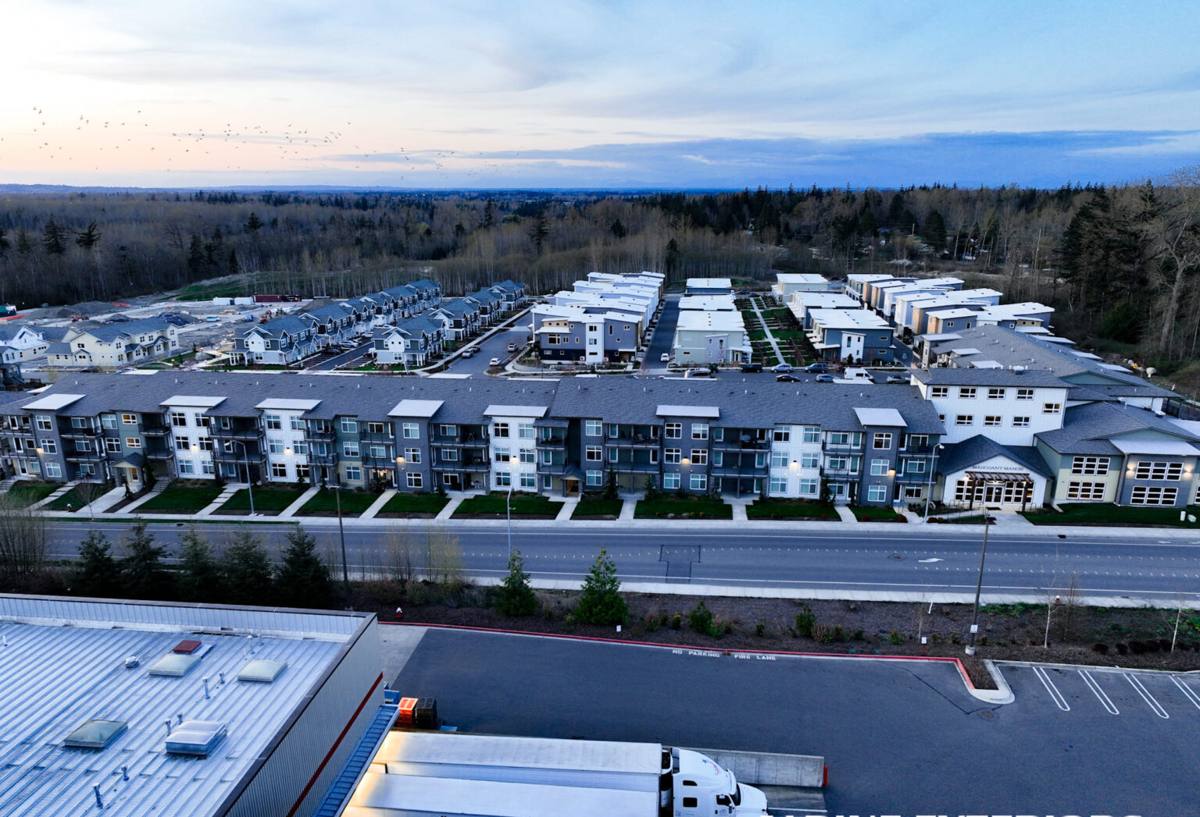
Why Skycrest's Housing Stock Is Often Due for Replacement, Not Repair
A large share of homes in older Clearwater neighborhoods like Skycrest were built before today's fiber cement and moisture-management standards existed. Many have gone through at least one prior siding installation, sometimes more, and it's common to find layers of past patchwork: mismatched panels, inconsistent caulking, trim repairs that never quite matched the original material. When siding has been patched repeatedly instead of replaced, it usually means the underlying moisture barrier has been compromised in multiple places over the years, even if the surface still looks presentable from the street.
Signs a Skycrest home needs full replacement, not another patch
- Soft or spongy spots when you press on the siding, especially near the bottom courses and around window and door trim
- Visible cracking, warping, or bubbling that keeps returning after paint or caulk touch-ups
- Panels that have separated or shifted, leaving gaps where wind-driven rain can get behind the surface
- A musty smell or discoloration on interior walls that back up to exterior siding
- Siding that's original to a home older than 20-25 years, particularly on the sides that take the most sun and rain exposure
Once you're patching the same areas more than once, the cost math almost always favors full replacement. Patch work buys a year or two; a correctly installed fiber cement system is built to go decades without needing that kind of intervention.
What Clearwater's Climate Actually Requires From Replacement Siding
Before getting into product and process, it's worth being specific about what "climate-appropriate siding" means in this part of Florida, because it's not abstract — each factor drives a real decision in how the job is done.
| Climate Factor | What It Does to Siding | What the Siding Needs |
|---|---|---|
| Intense, year-round UV | Fades color, breaks down lower-grade coatings and finishes over time | Factory-applied, UV-resistant finish rather than field-painted color that fades unevenly |
| Wind-driven rain | Forces moisture behind panels through gaps, seams, and poor flashing | Correct overlap, sealed penetrations, and a properly installed weather-resistive barrier |
| Salt air (Gulf proximity) | Accelerates corrosion of fasteners and metal trim, degrades some coatings | Corrosion-resistant fasteners and materials rated for coastal exposure |
| Hurricane-force wind | Tests panel fastening, edge attachment, and impact resistance directly | Fastening to manufacturer wind-load spec, not general contractor habit |
| Humidity and heat cycling | Causes expansion/contraction stress and encourages moisture retention behind panels | A material that doesn't swell, rot, or hold moisture against the wall assembly |
Notice that most of these requirements aren't really about the visible surface — they're about what's happening behind the panel and at the fastening points. That's where the majority of siding failures in this climate actually start.
Why We Install Only James Hardie Fiber Cement
We standardized on James Hardie fiber cement siding for every home we work on, including Skycrest, and we don't install vinyl, LP SmartSide, Cemplank, Allura, or primed wood siding. That's not a marketing position — it's a decision built around what actually holds up under Pinellas County conditions over the long run.
Fiber cement is non-combustible, which matters in a state where wildfire risk and building codes both factor into insurance underwriting. It doesn't warp, rot, or attract termites the way wood-based products can, which is relevant given Florida's humidity and pest pressure. James Hardie's ColorPlus finish is baked on at the factory under controlled conditions, which gives it stronger UV resistance and more even long-term color retention than field-applied paint — a real advantage under Florida sun. And Hardie's HZ5 product line is specifically engineered for hot, humid, high-moisture climates, which is exactly what Clearwater is.
Other products have real strengths — vinyl is inexpensive and low-maintenance in mild climates, engineered wood products can look warm and traditional. We're not dismissing them. But for the specific combination of UV load, storm exposure, humidity, and salt air that Skycrest and the rest of Pinellas County deal with year-round, fiber cement installed to spec is the material we're willing to put our name behind. We'd rather turn down a job than install something we don't think will hold up here.
James Hardie product lines commonly used on Skycrest homes
- HardiePlank lap siding — the most common choice for traditional home profiles, available in several exposure widths and textures
- HardieShingle — for accent areas or homes wanting a shingle-style look without the maintenance of real wood shakes
- HardieTrim — matched trim boards for a consistent, factory-finished look around windows, corners, and fascia
- HardiePanel — vertical panel option for modern or mixed-material facades
What a Correct Siding Replacement Job Actually Involves
The material is only part of the equation. A James Hardie product installed incorrectly can still fail early, and installation quality is where a lot of siding jobs in this climate go wrong. A correct replacement follows a specific sequence, and skipping steps is exactly how homeowners end up with the same moisture problems a few years later.
The core steps
- Full tear-off — removing existing siding down to the sheathing so the wall assembly can actually be inspected, not just covered over
- Substrate inspection and repair — checking for rot, delaminated sheathing, or prior water damage and fixing it before anything new goes up
- Weather-resistive barrier installation — a correctly lapped and sealed moisture barrier is what actually keeps wind-driven rain out, not the siding surface itself
- Flashing at every penetration — windows, doors, hose bibs, vents, and any other wall penetration need proper flashing detail, since these are the most common failure points
- Fastening to manufacturer and wind-load spec — correct fastener type, spacing, and placement, which is what determines real-world wind performance, not just the panel itself
- Trim and finish work — corners, trim boards, and caulking done to Hardie's installation standards so the finished look holds up and the seams stay sealed
Any one of these steps done wrong can undercut everything else, no matter how good the siding product is. This is why we talk about installation quality as much as we talk about the material.
Why a Crew That Already Works Skycrest Matters
There's a practical advantage to hiring a crew that's familiar with this specific neighborhood rather than a general contractor working here for the first time. Skycrest's lots and home layouts have their own common patterns — setbacks, driveway access, mature landscaping close to the house — that affect how a job gets staged and how material gets moved and stored on site. A crew that's worked the neighborhood before isn't guessing at that on your dime.
There's also a permitting and code angle. Clearwater and Pinellas County have specific building code requirements tied to wind zone and coastal exposure, and a local crew that pulls permits here regularly knows what inspectors are going to check and what documentation is expected. That reduces the chance of delays or failed inspections mid-project.
Finally, being local means accountability doesn't end when the crew packs up. If a question comes up six months or two years after installation, you're dealing with a company that's still working in your neighborhood, not one that's moved on to a different region entirely.
What Affects the Cost of Siding Replacement in Skycrest
We don't post fixed prices because every home is different, but the real cost drivers are consistent and worth understanding before you start getting quotes.
| Cost Factor | Why It Matters |
|---|---|
| Total square footage of wall area | The most direct driver of material and labor cost |
| Condition of the substrate underneath | Rot or water damage found during tear-off adds repair scope before new siding can go up |
| Home complexity (corners, gables, dormers) | More cuts, more trim work, and more flashing detail add labor time |
| Product line and profile chosen | Plank width, texture, and color line affect material cost |
| Trim and accent scope | Full trim replacement versus reusing sound existing trim changes the total |
| Access and staging on the lot | Tight side yards or limited driveway access can affect labor efficiency |
The only way to get an accurate number for your specific home is an on-site look, which is why we start every project with a walkthrough rather than a phone estimate.
A Practical Checklist Before You Hire Anyone
- Confirm the contractor is licensed and insured to work in Pinellas County
- Ask specifically what happens during tear-off if rot or water damage is found underneath
- Get the product line and profile specified in writing, not just "Hardie siding"
- Ask how flashing will be handled at windows, doors, and other penetrations
- Confirm who pulls the permit and manages inspections
- Ask about the manufacturer warranty and how it's registered after installation
- Get a written scope that separates siding, trim, and any repair work as line items
Get an Honest Look at Your Skycrest Home
If your Skycrest home's siding is showing its age, or you're just not sure whether you're looking at a repair situation or a full replacement, we'll come take a straightforward look and tell you what we actually see. No pressure, no inflated urgency — just a clear read on the condition of your siding and what it would take to do the job right with James Hardie fiber cement. Use the form below to request a free estimate.